

Intrinsically Safe Products
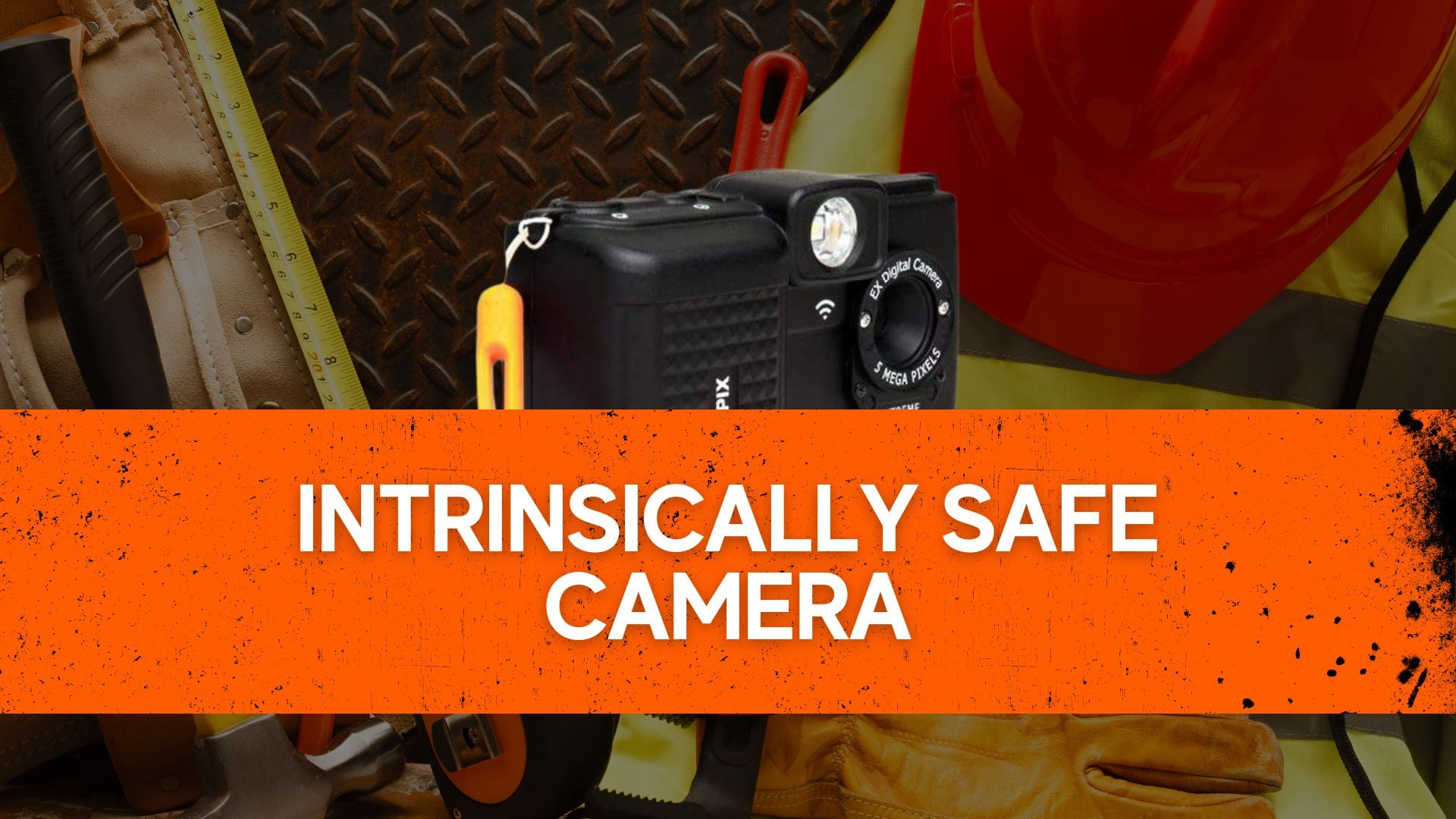
Intrinsically Safe Camera
Intrinsically Safe Cameras For Hazardous Areas
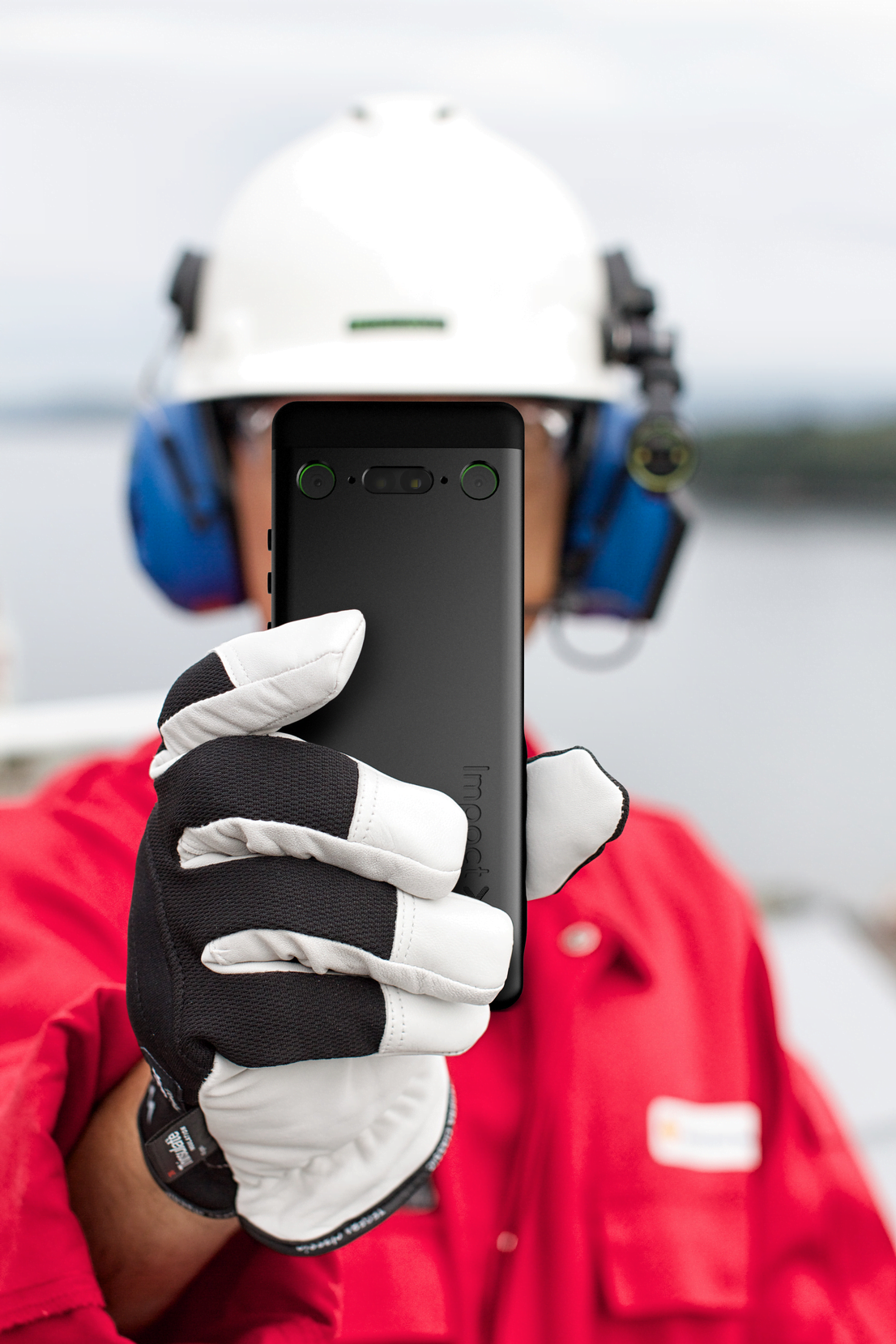
Intrinsically Safe Cameras are specifically designed and engineered for Hazardous Area environments. Digital cameras in Hazardous Areas will specifically be marked with certifications such as ATEX Zone 1, ATEX Zone 2, Class 1 Division 1, Class 1 Division 2, IECEx, and more.
Don’t think that just because the camera is Intrinsically Safe means it produces low-quality pictures or the core technology is behind the times.
Our wide range of Intrinsically Safe Cameras produces some amazing results fit for your specific Hazardous Area purpose. Our camera features include HD Video, live streaming, thermal imaging, wearables, and more.
Click below to dive deeper into our Intrinsically Safe Digital Cameras by Bartec, CorDEX and more of the finest Intrinsically Safe Product providers on the market.
Yes, Intrinsically Safe Smartphones are starting to replace dedicated camera units. However, there still is a large need for our clients in Oil & Gas, Manufacturing, Field Services, etc. that need that extra edge in their Hazardous Areas.
For example, a dedicated wearable Intrinsically Safe camera would be a great solution for someone in a tight space or requiring both hands to be free while simultaneously having a remote video conference with their team. All these Hazardous Area challenges can be solved with the wide range of products at the Intrinsically Safe Store.
Deeper Technical Detail on Intrinsically Safe Cameras
Beyond the certification, the performance and specifications of an intrinsically safe camera are critical for professional use. These devices are built to withstand harsh conditions while delivering high-quality imaging. Key technical aspects include:
- Certifications: A camera rated for ATEX/IECEx Zone 1 can be used in areas where an explosive gas atmosphere is likely to occur in normal operation. A Class I, Division 1 rating under North American standards is used for comparably hazardous environments where an explosive atmosphere is likely to exist under normal operating conditions. These ratings are non-negotiable for ensuring safety.
- Image and Video Quality: Modern IS cameras offer high-resolution sensors (e.g., 10-16 megapixels) and can record full HD (1080p) or even 4K video. This ensures that inspections and documentation are clear and detailed.
- Optics and Lighting: Many models feature powerful optical zoom lenses and ultra-bright LED flash for capturing sharp images in poorly lit or confined spaces, without creating an ignition risk.
- Specialized Imaging: Advanced models include thermal imaging capabilities to detect temperature anomalies in equipment, a crucial function for predictive maintenance in industrial settings.
- Durability and Ingress Protection (IP): These cameras typically have high IP ratings, such as IP67, making them dust-tight and waterproof. They are often built with ruggedized casings to withstand drops and impacts.
- Battery Life: Long-lasting, certified batteries are essential for completing full shifts without needing a recharge in a non-hazardous area. Many are designed for 8+ hours of continuous operation.
Common Use Cases for Intrinsically Safe Cameras
The need for certified imaging equipment spans numerous industries where safety and documentation are paramount. Here are some primary applications:
- Oil & Gas: Documenting maintenance, repair, and overhaul (MRO) tasks on offshore platforms, refineries, and pipelines. Performing visual inspections of vessels and storage tanks without shutting down operations.
- Chemical Manufacturing: Monitoring processes and capturing images of equipment within volatile chemical environments for safety audits and troubleshooting.
- Mining Operations: Inspecting equipment and infrastructure in underground mines where methane gas or combustible dust poses a constant threat.
- Aerospace and Aviation: Documenting fuel tank inspections and maintenance procedures in aircraft hangars where fuel vapors can accumulate.
- Pharmaceutical Production: Taking images for quality control in cleanrooms where flammable solvents are used, ensuring no ignition sources are introduced.
- Emergency Services: Used by HazMat teams and firefighters to assess and document hazardous material spills or potentially explosive scenes safely.
Frequently Asked Questions
What is the difference between an intrinsically safe and an explosion-proof camera?
An intrinsically safe camera is designed with circuitry that operates on very low power, preventing it from producing a spark or enough heat to ignite a flammable atmosphere. An explosion-proof camera uses a robust enclosure to contain an internal explosion, preventing it from igniting the surrounding hazardous area. Intrinsic safety is generally a more proactive and often preferred method for portable electronics.
Can I use a regular camera inside a rugged or waterproof case in a hazardous area?
No. A standard case does not make a camera intrinsically safe. The internal electronics of a regular camera are not designed to limit energy and can still generate sparks or heat capable of causing an explosion. Only cameras with official certifications like ATEX, IECEx, or Class/Division ratings are safe for use.
What key certifications should I look for?
The most common global certifications are ATEX (for Europe) and IECEx (international). In North America, the Class/Division/Group system is used. The specific Zone or Division rating (e.g., Zone 1, Div 1) tells you the level of hazard the device is certified for. It is the end-user’s responsibility to ensure a product’s certifications are appropriate for their specific hazardous area classification. Standards like IEC 60079-14 provide guidance on the selection of electrical equipment for classified locations.
Do intrinsically safe cameras have modern features like Wi-Fi or thermal imaging?
Yes. Many modern intrinsically safe cameras are equipped with advanced features. Wi-Fi and Bluetooth allow for rapid data transfer from the field, while thermal imaging provides critical diagnostic capabilities for predictive maintenance. These features are integrated safely within the device’s certified design.
Conclusion
Intrinsically safe cameras are not just a regulatory requirement; they are a critical tool for enhancing operational efficiency, safety, and documentation in hazardous environments. By combining rugged, certified hardware with advanced imaging technologies like thermal and high-definition video, these devices provide a clear view into the most challenging industrial settings. From oil rigs to chemical plants, choosing the right certified camera ensures that your team can perform their duties without compromising safety.
Find the Right Certified Camera for Your Hazardous Area
Need to capture high-quality images and video in a Zone 1 or Class I, Division 1 environment? Our experts can help you select the perfect device.