Mission Critical Push-to-Talk (MCPTT) Phones: A Hazloc Guide
Explore how mission critical push to talk phones ensure reliable team communication in hazardous locations. Compare certified MCPTT devices for safety.
Your cart is empty.
Knowledge Base
Expert guidance on ATEX, IECEx, and hazardous area equipment for engineers and procurement teams working in explosive environments.

Explore how mission critical push to talk phones ensure reliable team communication in hazardous locations. Compare certified MCPTT devices for safety.

Learn the crucial distinctions between ATEX Zone 1 and Zone 2 hazardous areas to ensure compliance and select the correct certified equipment for your facility.

Understand the critical differences between rugged (MIL-STD) and intrinsically safe (ATEX, IECEx, NEC) equipment to ensure compliance and safety.

Compare stainless steel vs. aluminum explosion proof enclosures. Analyze corrosion resistance, weight, cost, and compliance to choose the right material.

Choosing the right intrinsically safe smartphone is more important than ever. Industries operating in hazardous areas—oil & gas, chemicals, manufacturing, utilities, aviation, and mining—require mobile devices that eliminate ignition risks, support modern enterprise apps, and withstand rough field environments. With supply chain delays and evolving certification standards, it’s crucial to compare not just features and … Continue reading “Intrinsically Safe Smartphones: Best Models, Pricing & Certifications (2026)”

A practical maintenance checklist for explosion proof motors to ensure longevity, safety, and operational reliability in hazardous locations.

Learn how to select a gas detector certified for combustible dust environments like grain elevators, ensuring OSHA compliance and safety.

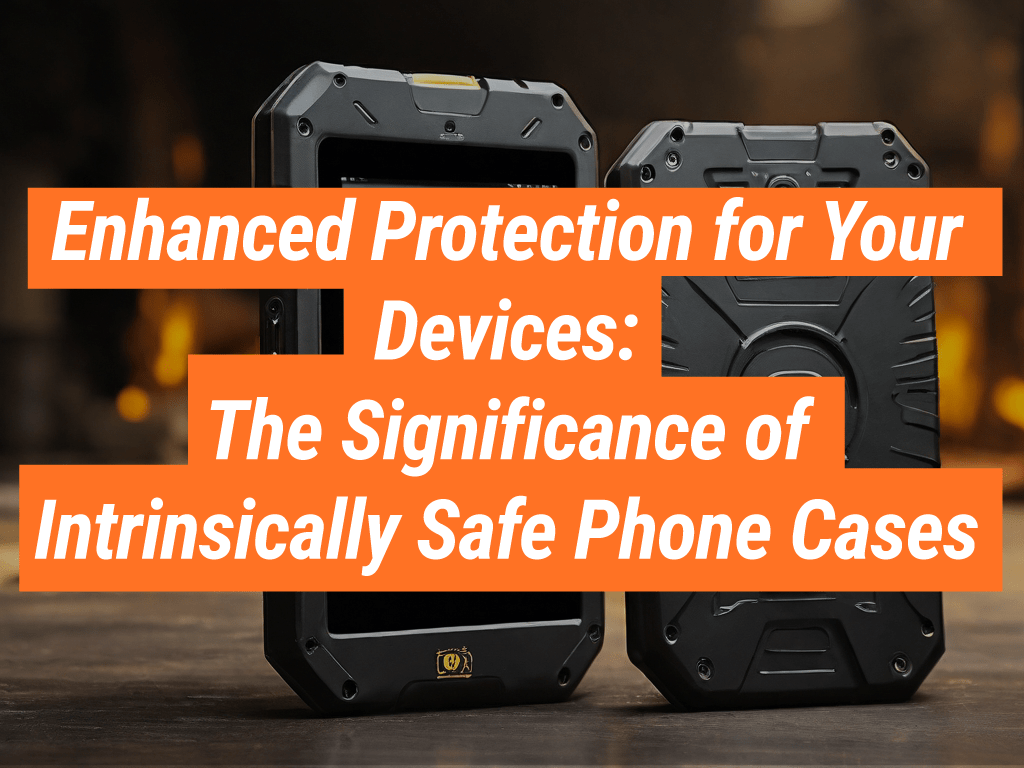
In today’s industrial workplaces—whether in oil rigs, chemical plants, or mining facilities—smartphones have become essential tools for communication, data capture, and workflow management. However, using a standard device in a hazardous location can pose serious safety risks. Browse Certified Android Cases for Hazardous Areas → Browse Certified iPhone Cases for Hazardous Areas → That’s where … Continue reading “Best Intrinsically Safe Smartphone Cases for Hazardous Environments”

Intrinsically Safe Cell Phone Intrinsically safe cell phones offer safe and reliable mobile communication within a classified or hazardous area. You can stay connected within Class 1 Division 1 classified hazard areas (Zone 1/21, Div. 1, and Zone 2/22). Intrinsically safe mobile phones must meet specific battery design criteria to achieve UL, ATEX directive, or … Continue reading “What Cell Phones are Intrinsically Safe”

When it comes to hazardous environments, understanding the electrical requirements is crucial for safety and compliance. This article will provide an overview of the electrical requirements for Class 1 Division 2 hazardous areas. As a leading provider of intrinsically safe and explosion-proof devices, Intrinsically Safe Store is committed to helping you navigate these complex requirements. … Continue reading “Understanding Electrical Requirements in Class 1 Division 2 Hazardous Areas”

There are some safety standards that you might recognize, like Class 1 Div 2, but do you really know what it means? Protecting the public, workforce, and environment from explosive atmospheres is a top priority but not a universal standard. Therefore, in the United States, NEC (National Electric Code) classifies HAZLOC (Hazardous Locations) by classes … Continue reading “Class 1 Division 2 Ratings Explained (2026 Guide)”

Explore the leading intrinsically safe drones designed for inspections in confined spaces and hazardous areas like tanks and pipelines.