Atex Zone 2 Portable Lighting
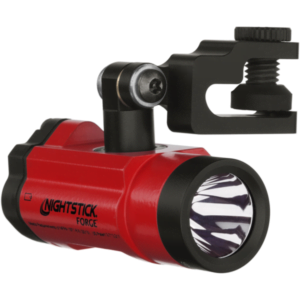
Intrinsically Safe Helmet-Mounted Multi-Function Flashlight Nightstick FORGE™ XPP-5465R
Zone 2
$175.50In Stock


Your Global Authority In Hazardous Areas
Your cart is empty.
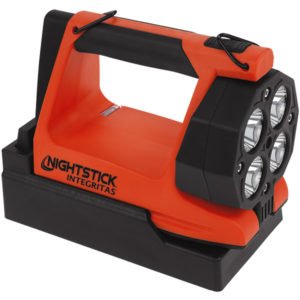
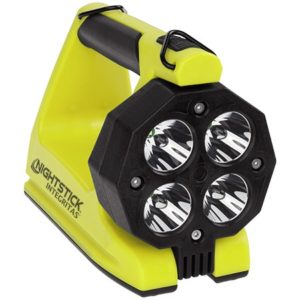
Class 1 Division 2 lighting requirements are an essential aspect of ensuring safety within hazardous areas typical to the oil and gas industry. These requirements pertain to environments where the presence of flammable gases, vapors, or liquids can lead to fire or explosion hazards under abnormal operating conditions. Class 1 Division 2 (C1D2) outlines the criteria for lighting equipment that can safely operate in such environments without triggering an ignition.
According to the National Electric Code (NEC), a location classified as Class 1 Division 2 means that the ignitable concentrations of flammable substances are not likely to occur in normal operation and, if they do occur, will exist only for a short period. This classification identifies a lower risk than Class 1 Division 1 locations, where ignitable concentrations are present continuously, intermittently, or periodically under normal operating conditions.
Portable lighting in a C1D2 area must adhere to the following:
The Intrinsically Safe Store’s selection of Class 1 Division 2 portable lighting embodies these fundamental principles by providing solutions specifically designed to meet the stringent regulations of hazardous area operations. Each product in our portfolio is meticulously crafted to deliver not only sufficient illumination but also the peace of mind that comes with knowing that the lighting equipment adheres to the highest safety standards. By ensuring that your lighting equipment meets the necessary C1D2 requirements, you can maintain a safe working environment where the risk of ignition is significantly minimized.
Class 1 Division 2 Portable Lighting is an essential component for maintaining safety and efficiency in hazardous areas often found in the oil and gas industry. These lights are meticulously engineered to prevent ignition of flammable gases, vapors, and dust in challenging environments. Here are the key features that make these lighting solutions indispensable:
Utilizing Class 1 Division 2 Portable Lighting not only adheres to mandatory safety standards but also enhances operational efficiency by providing reliable, bright, and mobile illumination. The Intrinsically Safe Store offers a range of lighting solutions specifically tailored to meet the robust needs of oil and gas industry professionals, ensuring that every operation is well-lit, safe, and productive.
Finding the appropriate lighting for hazardous locations can be daunting due to the risks involved and the critical need for safety and reliability. Class 1 Division 2 portable lighting solutions cater specifically to environments where hazardous gases, vapors, or liquids may exist under abnormal conditions. These lighting solutions must adhere to standards set by organizations such as the National Electric Code (NEC) in the United States. Here is an overview of the predominant types of portable lighting solutions designed for Class 1 Division 2 areas:
Hand lamps are typically handheld, easily transportable lights that provide operators with a convenient source of illumination. They come with a protective guard and are made with robust materials to prevent accidental contact with the bulb or hot surfaces, ensuring maximum safety during operations.
These are the most common types of portable lighting solutions used in hazardous areas. Class 1 Division 2 approved flashlights and work lights are designed to prevent ignition of hazardous substances even in the event of a bulb breakage or battery malfunction. They are built to be durable, with long-lasting LED options offering extended operational use.
In the event of a power failure, emergency lighting systems are crucial. Class 1 Division 2-rated emergency lights are designed to automatically turn on when the power supply to the normal lighting fails. These systems are often battery-operated or use backup power sources to ensure continuous illumination.
Tank lighting solutions are engineered for use in storage and process tanks where maintenance and inspection work is required. These portable lighting systems can illuminate the inside of a tank without the risk of igniting the flammable substances that may be present.
String lights provide a more extended source of illumination and are often daisy-chained to cover longer distances or larger areas. These lighting solutions are especially useful in providing consistent light over walkways, open areas, or along the assembly lines in hazardous locations.
For illuminating larger areas, portable floodlights and spotlights offer high-intensity beams that can cover vast spaces effectively. These lights are valuable for nighttime operations or when working in poorly lit hazardous zones, allowing for safe and productive working conditions.
Each of these lighting solutions comes in various models with different features, including explosion-proof designs, varied brightness levels, and energy efficiency options. It’s imperative that professionals in the oil and gas industry select the appropriate Class 1 Division 2 portable lighting to not only adhere to strict safety protocols but also to facilitate seamless and efficient operations under challenging conditions.
When it comes to Class 1 Division 2 portable lighting solutions, manufacturers face a series of challenges to ensure safety, functionality, and reliability. This type of lighting equipment is designed for use in environments where flammable gases, vapors, or liquids can exist under abnormal conditions, such as in the event of a spill or system failure.
 One of the primary challenges is adhering to strict regulatory standards. Class 1 Division 2 portable lights must be built to meet the National Electric Code (NEC) for hazardous locations. These standards dictate that the lighting must be capable of preventing ignition and explosion if they come into contact with hazardous substances, ensuring the safety of the work environment. Each design element, from the materials used to the enclosures and seals, must comply with rigorous testing to be classified for Class 1 Division 2 use.
Heat management is another significant concern. Class 1 Division 2 lights must operate in a way that prevents the surface temperature from reaching a point that could cause ignition. This involves the careful selection of low-heat generating components and the use of heat-dissipating designs that effectively control and distribute any generated heat.
Durability is also key for portable lighting in hazardous locations. These products must be rugged enough to withstand the harsh conditions of the oil and gas industry, including vibration, impact, and exposure to chemicals. Superior materials that are resistant to corrosion and can tolerate extreme temperatures are necessary for ensuring long-term operation without failure.
Incorporating sufficient illumination while maintaining intrinsic safety poses yet another challenge. LEDs have become a preferred light source for their energy efficiency and longevity but must be designed to not produce excessive brightness that could distract or impair vision during critical operations in hazardous areas.
Battery life and power options present a further hurdle. Portable lights in Class 1 Division 2 settings often need to be operational for extended periods, requiring the use of high-capacity batteries or alternative power sources that maintain consistent output without compromising safety standards.
Finally, ergonomics cannot be overlooked. Designing lighting that is easy to carry and position is crucial for operator comfort and efficiency. This involves achieving a balance between size, weight, and usability, to ensure that the lights are as functional as they are safe.
Overcoming these challenges requires expertise, innovation, and a keen understanding of the hazardous environments where Class 1 Division 2 portable lights are used. At the Intrinsically Safe Store, we understand these challenges intimately and leverage our expertise to provide solutions that meet and exceed expectations regarding safety, performance, and reliability.
In the demanding conditions of oil and gas operations, Class 1 Division 2 portable lighting steps up to illuminate workspaces without compromising safety or efficiency. Designed to handle the rugged requirements of harsh environments, these lighting solutions are built to resist the incursion of dust, moisture, and other contaminants that can infiltrate and disrupt less robust systems.
The engineering behind Class 1 Division 2 portable lighting ensures optimal performance in the face of extreme temperatures, high humidity, and potentially corrosive atmospheres — common challenges faced in the oil and gas industry. Materials used in their construction are selected for durability and resistance to corrosion, while the design itself is focused on providing consistent and reliable lighting under variable conditions.
Moreover, the robust build caters to easy portability, crucial for operations that necessitate quick and frequent relocation of light sources to different parts of the site. The inherent flexibility of these portable lights allows for quick adaptations, ensuring seamless operations through changing shifts or unforeseen circumstances requiring instant illumination.
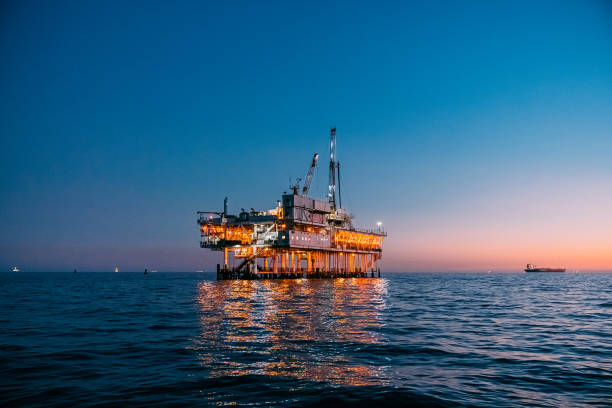 Not only resistant to harsh environments, Class 1 Division 2 portable lighting systems are engineered to perform with high efficiency. They consume less power compared to conventional lighting, which translates to extended operation on a single charge and reduced operational costs over time. This harnessing of energy-efficient technologies reflects the industry’s progressive shift towards sustainable and cost-effective site operations.
It is imperative for oil and gas professionals to employ lighting solutions that ensure performance won’t falter when conditions get tough. Class 1 Division 2 portable lighting is adept at meeting this challenge, providing reliable and safe lighting that keeps pace with the dynamics of hazardous location work sites.
Portable lighting is classified under Class 1 Division 2 based on specific guidelines provided by the National Electrical Code (NEC). The classification indicates that the lighting equipment is designed for use in areas where flammable gases, vapors, or liquids can exist under unusual operating conditions. Class 1 Division 2 portable lights are constructed to prevent ignition of the explosive atmosphere during regular operation.
The main difference between Class 1 Division 1 and Class 1 Division 2 lighting is the risk level of the hazardous environment they are designed for. Class 1 Division 1 lighting is for use in areas where explosive gases or vapors are present under normal operating conditions. In contrast, Class 1 Division 2 lighting is intended for locations where hazardous conditions are present only in the case of accidental rupture, breakage, or unusual system operation. Class 1 Division 1 environments require more robust lighting solutions with higher safety standards compared to Class 1 Division 2.
Class 1 Division 2 portable lights are suitable for {hazardous areas in the oil and gas industry, such as near storage tanks, during the transfer of flammable substances, or in spaces where flammable gases may be occasionally released. These lighting solutions are particularly relevant for spaces where the concentration of flammable vapors or gases is normally prevented by positive mechanical ventilation and can only exist through accidental leakages or failures.
Class 1 Division 2 lights are required to have certifications that demonstrate their compliance with industry safety standards. These certifications are issued by recognized testing laboratories such as Underwriters Laboratories (UL) or Factory Mutual (FM). They must meet specific standards for construction, temperature classification, and operational safety to ensure that in the event of a product failure, they will not be a source of ignition in a hazardous location.
To determine if a portable light is Class 1 Division 2 certified, look for the certification marks from accredited testing agencies such as UL, FM, or equivalent on the product. Additionally, manufacturers provide specification sheets or product certification documentation that includes detailed information on the classification and certification of the lighting. Purchasing through reputable vendors such as the Intrinsically Safe Store ensures that the portable lighting solutions meet the necessary safety standards and certifications for use in hazardous environments.