Intrinsically Safe Flashlights
Showing all 8 resultsSorted by popularity
-
%27%20fill-opacity%3D%27.5%27%3E%3Cellipse%20fill%3D%22%23384400%22%20fill-opacity%3D%22.5%22%20rx%3D%221%22%20ry%3D%221%22%20transform%3D%22matrix(70.79632%20-37.1482%2049.12081%2093.6135%20154.6%20169.3)%22%2F%3E%3Cellipse%20fill%3D%22%23fff%22%20fill-opacity%3D%22.5%22%20rx%3D%221%22%20ry%3D%221%22%20transform%3D%22matrix(224.15429%20197.61859%20-45.36593%2051.45755%20252.4%2038.8)%22%2F%3E%3Cellipse%20fill%3D%22%23fff%22%20fill-opacity%3D%22.5%22%20rx%3D%221%22%20ry%3D%221%22%20transform%3D%22matrix(14.4398%20298.47905%20-35.05547%201.69591%2028.4%20208.4)%22%2F%3E%3Cpath%20fill%3D%22%23fff%22%20fill-opacity%3D%22.5%22%20d%3D%22M245.4%20302L261%203.7l92.5%204.9L337.8%20307z%22%2F%3E%3C%2Fg%3E%3C%2Fsvg%3E)
Intrinsically Safe Rechargeable Lantern Nightstick INTEGRITAS XPR-5584GMX
$53000 -
%27%20fill-opacity%3D%27.5%27%3E%3Cellipse%20fill%3D%22%239c1900%22%20fill-opacity%3D%22.5%22%20rx%3D%221%22%20ry%3D%221%22%20transform%3D%22matrix(-14.84184%20-68.07081%20127.11008%20-27.71448%20182.2%20138.8)%22%2F%3E%3Cellipse%20fill%3D%22%23fff%22%20fill-opacity%3D%22.5%22%20rx%3D%221%22%20ry%3D%221%22%20transform%3D%22matrix(284.72178%20-90.72901%2018.16943%2057.0185%20155.3%20288.9)%22%2F%3E%3Cellipse%20fill%3D%22%23fff%22%20fill-opacity%3D%22.5%22%20rx%3D%221%22%20ry%3D%221%22%20transform%3D%22matrix(-294.37837%2051.37725%20-7.19058%20-41.20016%20136.6%2015.8)%22%2F%3E%3Cellipse%20fill%3D%22%23607986%22%20fill-opacity%3D%22.5%22%20rx%3D%221%22%20ry%3D%221%22%20transform%3D%22matrix(39.93486%2078.7159%20-59.1194%2029.99299%2072.5%20165.9)%22%2F%3E%3C%2Fg%3E%3C%2Fsvg%3E)
Intrinsically Safe Rechargeable Dual-Light™ Lantern VIRIBUS® 81 Nightstick XPR-5581RX
$47309 -
%27%20fill-opacity%3D%27.5%27%3E%3Cellipse%20fill%3D%22%238ea90e%22%20fill-opacity%3D%22.5%22%20rx%3D%221%22%20ry%3D%221%22%20transform%3D%22matrix(61.8576%20-34.06255%2022.84913%2041.49402%20100.5%20203.2)%22%2F%3E%3Cpath%20fill%3D%22%23fff%22%20fill-opacity%3D%22.5%22%20d%3D%22M318.2-3v198.1L53.3-6.4z%22%2F%3E%3Cellipse%20fill%3D%22%239b99aa%22%20fill-opacity%3D%22.5%22%20rx%3D%221%22%20ry%3D%221%22%20transform%3D%22matrix(.76924%2072.80119%20-31.10796%20.3287%2052.6%20240.3)%22%2F%3E%3Cpath%20fill%3D%22%23fff%22%20fill-opacity%3D%22.5%22%20d%3D%22M187.6%20233.7l34.2%2049-77.7%2054.4-34.3-49z%22%2F%3E%3C%2Fg%3E%3C%2Fsvg%3E)
Intrinsically Safe Lantern NightStick Rechargeable Dual Light™ XPR-5586GX
$56000 -
%27%20fill-opacity%3D%27.5%27%3E%3Cellipse%20fill%3D%22%23434343%22%20fill-opacity%3D%22.5%22%20rx%3D%221%22%20ry%3D%221%22%20transform%3D%22matrix(-257.61095%2080.54165%20-10.49255%20-33.56022%20112%20124.2)%22%2F%3E%3Cellipse%20fill%3D%22%23fff%22%20fill-opacity%3D%22.5%22%20rx%3D%221%22%20ry%3D%221%22%20transform%3D%22matrix(279.98054%20-49.36738%209.32447%2052.8825%2056.4%2026.6)%22%2F%3E%3Cellipse%20fill%3D%22%23fff%22%20fill-opacity%3D%22.5%22%20rx%3D%221%22%20ry%3D%221%22%20transform%3D%22matrix(14.97744%2051.7149%20-172.67764%2050.01012%20229%20190.7)%22%2F%3E%3Cellipse%20fill%3D%22%23575757%22%20fill-opacity%3D%22.5%22%20rx%3D%221%22%20ry%3D%221%22%20transform%3D%22matrix(-15.79011%20-35.29923%2045.12458%20-20.1852%2056%20156.2)%22%2F%3E%3C%2Fg%3E%3C%2Fsvg%3E)
AE Light 25W Xenide AEX25-EP HID Explosion Proof Lights
$59122 -

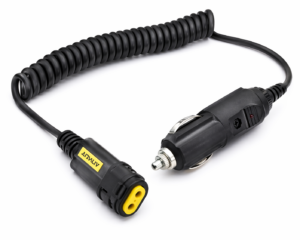
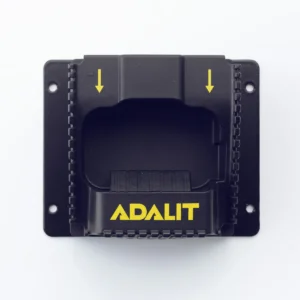
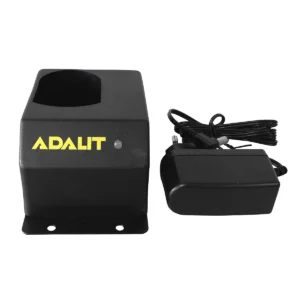
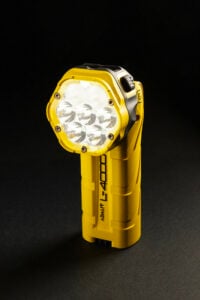
Adalit L-4000 Flashlight Chargers
$9300Price Depends on product option Make a selection to update price -
%27%20fill-opacity%3D%27.5%27%3E%3Cellipse%20fill%3D%22%23656565%22%20fill-opacity%3D%22.5%22%20rx%3D%221%22%20ry%3D%221%22%20transform%3D%22matrix(64.60529%2039.28063%20-20.36756%2033.49875%20107.4%20128.5)%22%2F%3E%3Cellipse%20fill%3D%22%23686868%22%20fill-opacity%3D%22.5%22%20rx%3D%221%22%20ry%3D%221%22%20transform%3D%22matrix(13.63694%2042.1189%20-39.11978%2012.6659%20222%2058.8)%22%2F%3E%3Cellipse%20fill%3D%22%23fff%22%20fill-opacity%3D%22.5%22%20rx%3D%221%22%20ry%3D%221%22%20transform%3D%22matrix(39.92805%2050.7357%20-95.61925%2075.25058%20248.9%20200.3)%22%2F%3E%3Cellipse%20fill%3D%22%23fff%22%20fill-opacity%3D%22.5%22%20rx%3D%221%22%20ry%3D%221%22%20transform%3D%22matrix(19.19496%20-48.62367%2094.88397%2037.45695%2071.8%2011)%22%2F%3E%3C%2Fg%3E%3C%2Fsvg%3E)
7W Explosion Proof UV LED Flashlight
$6,75000 -

Peli 9415Z0 LED Flashlight
$85556 -
%27%20fill-opacity%3D%27.5%27%3E%3Cellipse%20fill%3D%22%231c1c1c%22%20fill-opacity%3D%22.5%22%20rx%3D%221%22%20ry%3D%221%22%20transform%3D%22matrix(59.46183%20-14.02822%2022.18973%2094.05622%20161.4%20114.4)%22%2F%3E%3Cellipse%20fill%3D%22%23fff%22%20fill-opacity%3D%22.5%22%20rx%3D%221%22%20ry%3D%221%22%20transform%3D%22matrix(-48.70162%20.1715%20-1.04205%20-295.90405%2032.4%20103.5)%22%2F%3E%3Cellipse%20fill%3D%22%23fff%22%20fill-opacity%3D%22.5%22%20rx%3D%221%22%20ry%3D%221%22%20transform%3D%22matrix(-39.4202%202.75653%20-20.8452%20-298.10023%20270.4%2079.2)%22%2F%3E%3Cellipse%20fill%3D%22%23fff%22%20fill-opacity%3D%22.5%22%20rx%3D%221%22%20ry%3D%221%22%20transform%3D%22matrix(-49.2277%203.35608%20-13.8704%20-203.45395%20298.4%20127.6)%22%2F%3E%3C%2Fg%3E%3C%2Fsvg%3E)
CorDEX Genesis FL4700 Lantern
$99800
- Intrinsically safe flashlights are crucial in hazardous environments like oil refineries and mines, designed to prevent ignition of explosive atmospheres.
- These flashlights meet strict global safety standards such as ATEX, IECEx, and UL, ensuring they can safely operate in high-risk zones.
- Industries including oil and gas, mining, chemical processing, and manufacturing rely on these specialized tools to maintain safety and compliance.
In the high-stakes world of hazardous environments—think oil refineries humming with volatile fumes, chemical plants teeming with reactive substances, or underground mines cloaked in combustible dust—safety isn’t just a priority; it’s the bedrock of survival. Every tool, every piece of equipment, must be a fortress against disaster, engineered to defy the invisible threats lurking in the air. Among these critical tools, intrinsically safe flashlights stand as unsung heroes, illuminating the darkest corners without sparking catastrophe. These aren’t your average hardware store torches; they’re purpose-built lifelines, designed to operate in explosive atmospheres where a single errant spark could ignite chaos.
At Intrinsically Safe Store, we’ve seen firsthand how the right equipment can mean the difference between a routine shift and a headline-making disaster. Our mission is to equip professionals in industries like oil and gas, mining, and manufacturing with rigorously certified gear that meets global standards—ATEX, IECEx, UL Class I, Division 1 or 2, you name it. Intrinsically safe flashlights are a cornerstone of that mission, embodying the precision and reliability needed to navigate hazardous zones without compromising on safety. In a world where compliance isn’t optional but mandatory, these devices aren’t just tools; they’re a testament to engineering that prioritizes human life over all else.

This isn’t about flashy gadgets or cutting corners—it’s about understanding the gritty reality of working in environments where danger is a constant companion. Whether you’re inspecting a pipeline at midnight or troubleshooting equipment in a dust-choked shaft, an intrinsically safe flashlight ensures you can see without being seen as a ignition risk. In this article, we’ll dive deep into why these flashlights are non-negotiable in hazardous areas, how they’re built to withstand the toughest conditions, and what sets the best apart from the rest. With decades of collective expertise and a catalog honed for compliance, Intrinsically Safe Store is here to guide you through the complexities of safety in the most unforgiving workplaces on Earth. Let’s shed some light on what keeps you safe when the stakes couldn’t be higher.
Understanding Intrinsic Safety in Hazardous Environments
Let’s cut through the noise and get to the core of what intrinsic safety really means in the high-stakes world of hazardous environments. At its essence, intrinsic safety is an engineering principle—a design philosophy—that ensures electrical equipment, like flashlights, won’t ignite an explosive atmosphere, even under fault conditions. Think of it as the ultimate fail-safe: a device so meticulously engineered that it can’t produce a spark or thermal effect capable of triggering a catastrophe in the presence of flammable gases, vapors, or dust.
In zones classified as hazardous—think oil refineries, chemical plants, or underground mines—the tiniest oversight can spiral into disaster. These environments are often governed by strict standards like ATEX in Europe, IECEx globally, or UL Class I, Division 1 in the U.S. Intrinsic safety isn’t just a buzzword here; it’s a non-negotiable requirement. Devices designed to these standards are built to limit energy output—both electrical and thermal—so that even if a short circuit or component failure occurs, there’s no risk of ignition. It’s not about mitigating a potential explosion; it’s about ensuring one can’t happen in the first place.
But let’s be real: understanding the certifications and classifications can feel like decoding a labyrinth. Hazardous areas are split into zones or divisions based on the likelihood of an explosive atmosphere being present. Zone 0 or Division 1, for instance, indicates a constant risk, demanding the highest level of protection. Intrinsically safe flashlights and other tools for these areas are often marked with specific ratings, like “Ex ia” under ATEX, signaling they’re safe for the most dangerous conditions. For professionals in the field, knowing these designations isn’t just trivia—it’s the difference between compliance and catastrophe.
The reality on the ground is unforgiving. A standard flashlight might seem harmless, but in a confined space with methane or volatile chemical vapors, a single spark from a battery terminal could be the endgame. Intrinsically safe designs account for this by using low-power circuits, protective barriers, and sometimes even encapsulation to isolate potential ignition sources. It’s a level of precision that doesn’t just meet regulatory checkboxes—it saves lives.
The Importance of Intrinsically Safe Flashlights
In the high-stakes world of hazardous environments, where a single spark can ignite disaster, the tools you carry aren’t just equipment—they’re lifelines. Intrinsically safe flashlights stand as a cornerstone of safety in these volatile zones, engineered with precision to eliminate the risk of ignition in areas laden with explosive gases, vapors, or dust. Unlike standard flashlights, which might as well be ticking time bombs in a Class I, Division 1 environment, these specialized devices are built to rigorous global standards like ATEX or IECEx. They’re designed from the ground up to prevent electrical or thermal energy from becoming a catalyst for catastrophe.
Think about the reality of working in an oil refinery or a chemical plant. Visibility is often poor, whether you’re navigating a dimly lit underground shaft or inspecting equipment during a midnight shift. A reliable light source isn’t a luxury—it’s a necessity. But in these settings, the wrong flashlight can turn a routine task into a fatal mistake. Intrinsically safe flashlights are constructed with sealed components and energy-limiting circuits, ensuring that even if a fault occurs, there’s no chance of a spark or excessive heat. They’re the unsung heroes in a worker’s toolkit, providing illumination without the shadow of risk.
Beyond their core function, these flashlights are often ruggedized to withstand the brutal conditions of hazardous areas. Drops, vibrations, and exposure to corrosive substances are par for the course in industries like mining or manufacturing. A certified flashlight doesn’t just meet safety criteria; it’s built to endure, ensuring that workers aren’t left in the dark—literally or figuratively—when the job gets tough. When every second counts, and compliance with safety regulations isn’t negotiable, these devices deliver the clarity and confidence needed to operate in the most unforgiving environments.
Regulatory Standards: ATEX, IECEx, and UL Certifications
Navigating the labyrinth of safety regulations in hazardous environments is no small feat. It’s a world where a single spark can turn a routine task into a catastrophe, and the certifications that govern equipment like intrinsically safe flashlights are the bedrock of operational integrity. Let’s break down the big three—ATEX, IECEx, and UL—because understanding these standards isn’t just about compliance; it’s about survival.
ATEX, born from the European Union’s directives (specifically 2014/34/EU), is the gold standard for equipment used in explosive atmospheres across Europe. The name itself—derived from the French Atmosphères Explosibles—tells you it’s serious business. ATEX certification classifies equipment into zones based on the likelihood of an explosive atmosphere, with Zone 0 being the most dangerous (think constant presence of flammable gases or vapors). Flashlights bearing ATEX approval are engineered to eliminate ignition sources, whether through electrical design or physical barriers, ensuring they won’t be the match that lights the fuse in a gas-laden refinery or dust-choked grain silo.
Then there’s IECEx, the International Electrotechnical Commission’s system for certifying equipment in explosive environments. Unlike ATEX, which is regional, IECEx operates on a global scale, harmonizing safety standards across borders. It’s the certification you’ll often see in industries spanning continents—oil rigs in the Gulf of Mexico to mining operations in Australia. IECEx evaluates equipment against rigorous technical benchmarks, ensuring that a flashlight’s components, from its battery to its casing, can’t generate a spark or heat sufficient to ignite volatile surroundings. For multinational operations, IECEx is often the unifying thread that keeps safety protocols consistent.
Finally, we’ve got UL certifications, particularly UL Class I, Division 1 and 2, which dominate the North American landscape. Underwriters Laboratories (UL) sets the bar for safety in environments where flammable gases, vapors, or liquids are present. Class I, Division 1 covers areas where these hazards are routinely present, while Division 2 addresses locations where they’re only present under abnormal conditions. A flashlight with UL certification isn’t just a tool; it’s a meticulously tested piece of engineering designed to withstand the worst-case scenario—because in a chemical plant or underground mine, there’s no room for “good enough.”
These certifications aren’t mere stickers on a product. They’re the result of exhaustive testing, from thermal endurance to impact resistance, ensuring that every device meets the unforgiving demands of hazardous zones. For professionals in the field, knowing the difference between ATEX, IECEx, and UL isn’t just technical trivia—it’s a critical part of selecting gear that keeps operations running and lives protected.

Industries That Require Intrinsically Safe Lighting
In the high-stakes world of hazardous environments, where a single spark can trigger catastrophic consequences, intrinsically safe flashlights aren’t just tools—they’re lifelines. These meticulously engineered devices are built to operate in explosive atmospheres without igniting flammable gases, vapors, or dusts. But who exactly needs this level of protection? Let’s dive into the industries where this specialized lighting isn’t a luxury, but a non-negotiable requirement.
First up, the oil and gas sector. Refineries and offshore rigs are practically synonymous with danger—volatile hydrocarbons linger in the air, and a misplaced spark could turn a routine inspection into a disaster. Workers navigating these zones, whether for maintenance or emergency response, rely on intrinsically safe flashlights to illuminate tight, dark spaces like pipelines or storage tanks without risking ignition. The certifications, like ATEX or UL Class I, Division 1, aren’t just stickers on the side; they’re proof that the gear can withstand the volatile reality of the job.
Then there’s underground mining, a realm where methane gas and coal dust create a silent, ever-present threat. Miners descending into these depths face pitch-black conditions, and a standard flashlight simply won’t cut it. Intrinsically safe lighting ensures that a dropped tool or a short circuit doesn’t turn a shift into a tragedy. These flashlights are often ruggedized, too, built to survive the knocks and scrapes of a brutal subterranean environment while keeping the air safe from ignition.
Chemical processing plants are another battleground. Here, flammable liquids and gases are part of the daily grind, whether in production lines or storage areas. A maintenance tech inspecting a reactor or a spill response team working through the night needs illumination that won’t betray them. Intrinsically safe flashlights, designed to contain any potential energy release, are critical for ensuring that operations don’t grind to a halt—or worse—over a preventable mishap.
Manufacturing facilities handling fine powders or solvents also make the list. Think grain silos where dust clouds can explode with the force of dynamite, or paint shops saturated with flammable fumes. In these settings, every piece of equipment, down to the humble flashlight, must be engineered to eliminate ignition risks. Workers in these spaces often operate in confined or poorly lit areas, making reliable, safe lighting not just a regulatory checkbox but a fundamental safeguard.
These industries share a common thread: the stakes are sky-high, and the margin for error is razor-thin. Intrinsically safe flashlights aren’t flashy gadgets; they’re purpose-built solutions for environments where complacency isn’t an option. Whether it’s illuminating a gas leak or guiding a rescue in a dust-choked tunnel, these tools are the unsung heroes keeping workers safe in the most unforgiving conditions.
FAQs About Intrinsically Safe Flashlights
What makes a flashlight intrinsically safe?
An intrinsically safe flashlight is designed to prevent sparks, heat, or electrical faults that could ignite flammable gases, vapors, or dust in hazardous environments. These flashlights meet certifications such as ATEX, IECEx, and Class 1 Division 1 standards, ensuring safe use in explosive atmospheres.
Where can intrinsically safe flashlights be used?
These flashlights are ideal for use in oil rigs, chemical plants, mining operations, refineries, and any area classified as hazardous—such as Zone 0, Zone 1, or Class 1 Division 1. They’re also suitable for confined space inspections and emergency response in explosive environments.
Are your intrinsically safe flashlights ATEX or IECEx certified?
Yes, all intrinsically safe flashlights at Intrinsically Safe Store are ATEX and/or IECEx certified, with some models also compliant with UL, Class 1 Div 1, and CSA standards. Each product listing includes full certification details to ensure regulatory compliance.
What are the most trusted brands for intrinsically safe flashlights?
We carry top-rated intrinsically safe flashlights from trusted brands like Nightstick, Nitecore, AE Light, Ecom, Goalktek, Dorcy, and Larson Electronics—each offering durable, compliant, and high-performance solutions for hazardous areas.
What features should I look for in an intrinsically safe flashlight?
Look for certification compatibility with your hazard zone, high lumen output, battery life, beam distance, dual-light modes, and rugged construction. Many of our models also include rechargeable options and magnetic bases for hands-free use.
Are intrinsically safe flashlights waterproof?
Not all intrinsically safe flashlights are waterproof, but many are designed with rugged industrial environments in mind and come with an IP (Ingress Protection) rating. For example, models with IP67 or IP68 ratings are resistant to dust and can withstand immersion in water for a limited time. Others may be only splash-resistant. Always review the manufacturer’s specifications to confirm the waterproof level of each model.
What battery types do intrinsically safe flashlights use?
Intrinsically safe flashlights typically use alkaline batteries (such as AA, AAA, C, or D cells) because they are safe and widely available. Some advanced models may also be compatible with rechargeable lithium-ion packs that are specially certified for use in hazardous areas. The exact battery type depends on the flashlight model and its certification, so it’s important to check the product details to ensure safe and proper use.