Intrinsically Safe Products
Top Explosion Proof Cameras for Oil Rigs: 2026 Guide
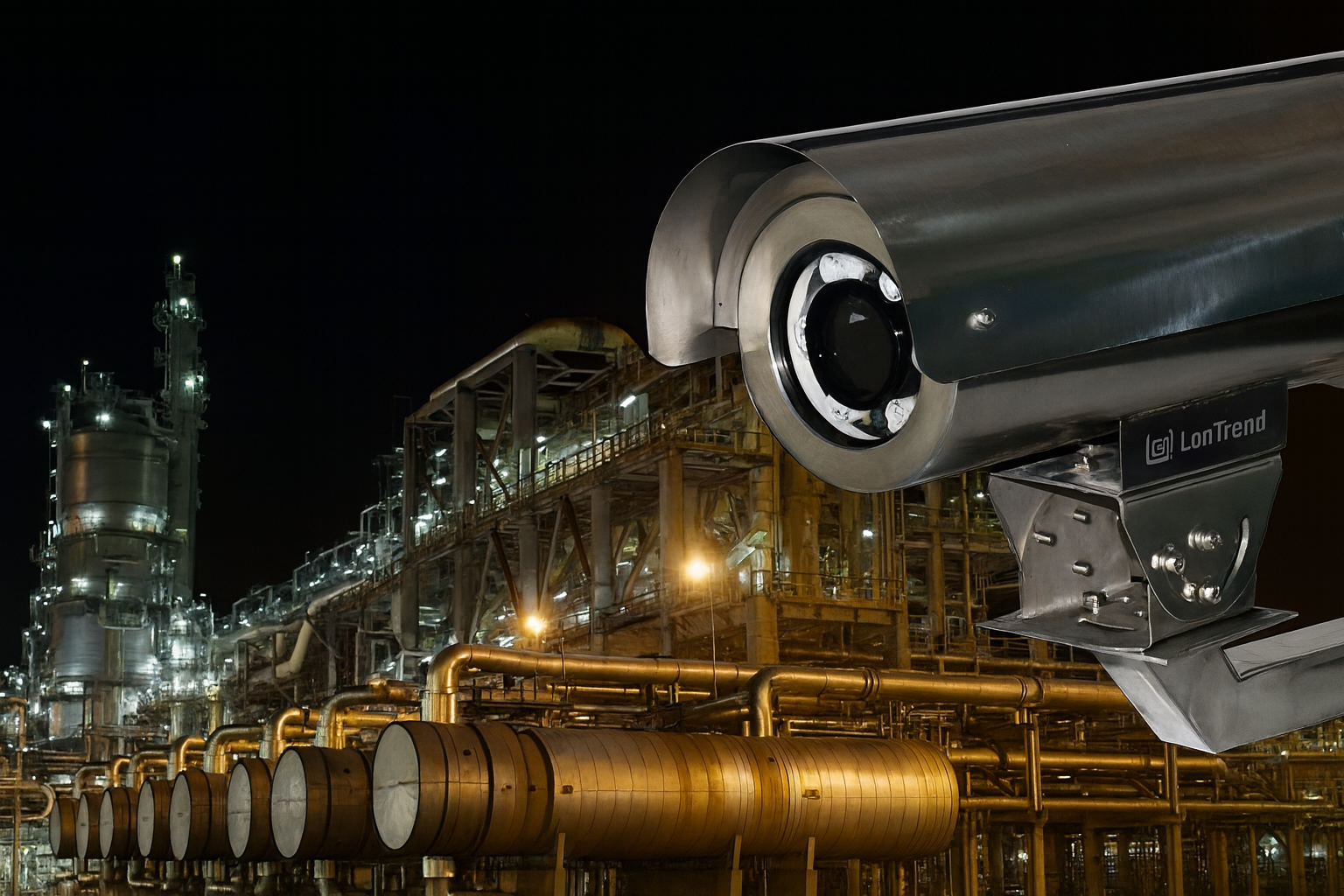
Selecting monitoring equipment for an offshore oil rig is a high-stakes decision where safety and compliance are non-negotiable. Standard surveillance systems are not just inadequate; they are a direct ignition risk in an environment with flammable gases and vapors. Choosing the best explosion proof camera for oil rigs involves a rigorous evaluation of certifications, material durability, and imaging performance under harsh conditions. These specialized cameras are engineered to contain any internal spark or explosion, preventing it from igniting the surrounding hazardous atmosphere. This guide provides the essential criteria for selecting a camera that ensures both operational oversight and the highest level of safety for personnel and critical infrastructure in demanding offshore locations.
Understand Camera Enclosures
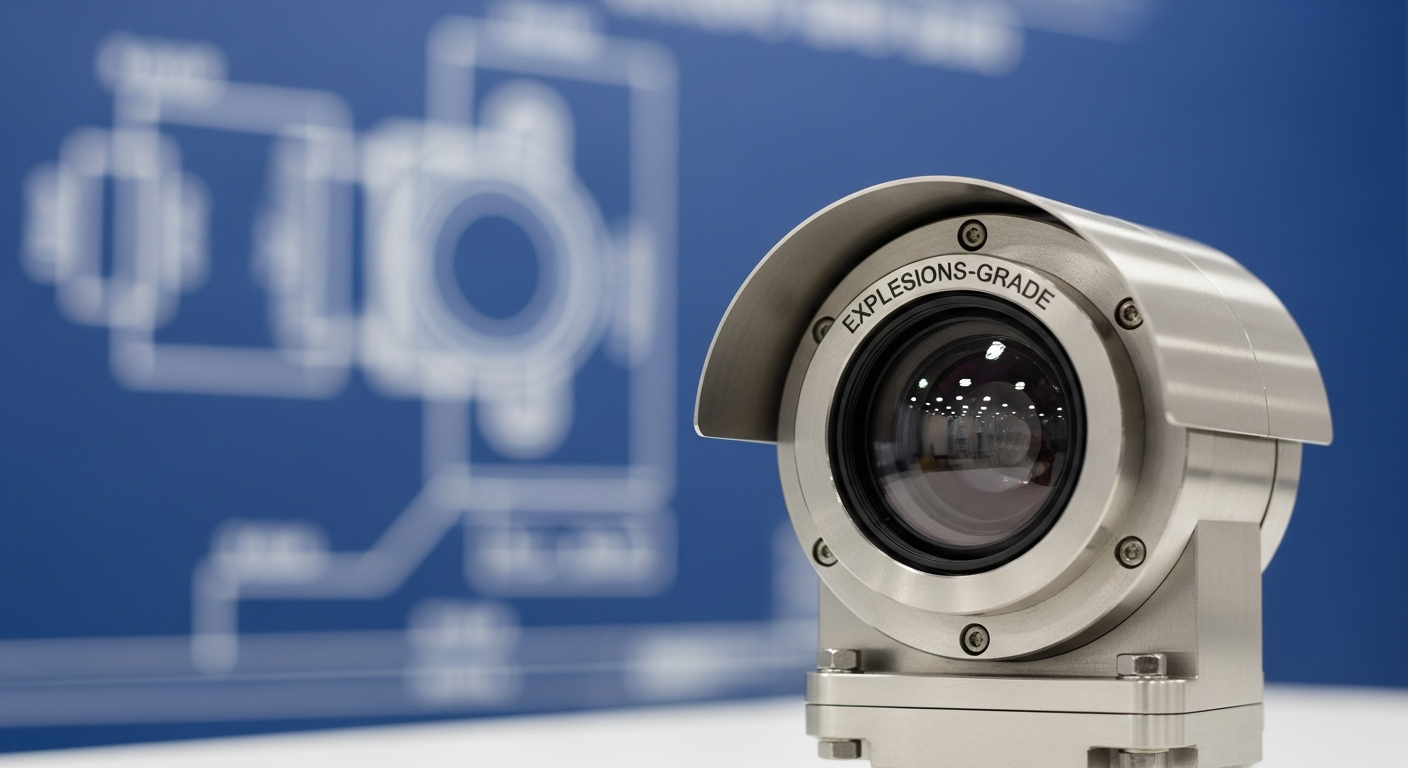
The enclosure is the first line of defense. Learn what makes a camera housing truly explosion proof and compliant for hazardous areas.
Key Certifications for Explosion Proof Cameras on Oil Rigs
Compliance is the foundation of safety on an oil rig. An explosion proof camera is only as reliable as its certifications. These ratings are not suggestions; they are proof that the device has undergone stringent testing to perform safely in environments with explosive potential. The primary international standards to look for are ATEX and IECEx, which harmonize safety requirements across many regions. For operations under US jurisdiction, NEC (National Electrical Code) classifications are mandatory. A camera must be rated for the specific hazardous zone it will be installed in, such as ATEX Zone 1 for areas where flammable gas is likely to be present during normal operation. Adherence to general requirements, as outlined in standards like IEC 60079-0, ensures the equipment meets fundamental principles of design, testing, and marking for explosive atmospheres. Verifying these certifications is the first step in sourcing a safe and compliant monitoring solution.
Essential Features for Offshore Surveillance
Beyond certifications, the physical and technical features of a camera determine its effectiveness and longevity in an offshore environment. The corrosive nature of saltwater spray, constant vibration, and extreme weather demand robust construction. Here are critical features to consider when selecting the best explosion proof camera for oil rigs:
- Material and Construction: Look for cameras housed in 316L stainless steel or marine-grade aluminum. These materials offer superior resistance to corrosion from salt and chemicals, ensuring the integrity of the explosion-proof enclosure over its lifespan.
- IP Ingress Protection Rating: A high IP rating, such as IP66 or IP68, is crucial. This indicates the camera is completely sealed against dust ingress and can withstand powerful water jets or even full submersion, protecting the sensitive electronics inside from moisture damage.
- Imaging Technology: Advanced imaging capabilities are vital for clear monitoring. Features like low-light performance (Starlight technology), Wide Dynamic Range (WDR) for handling scenes with both bright and dark areas, and high-resolution sensors (4MP or higher) ensure you capture usable footage day and night.
- Thermal and Pan-Tilt-Zoom (PTZ) Capabilities: For comprehensive monitoring, PTZ cameras allow operators to remotely pan, tilt, and zoom to inspect specific equipment or areas of interest. Thermal imaging models can detect temperature anomalies, providing an early warning for potential equipment failure or overheating.
Installation and Maintenance Best Practices
Proper installation and regular maintenance are just as important as the camera’s initial specifications. An improperly installed device can compromise its safety features and lead to premature failure. A structured approach ensures the system functions as intended throughout its service life.
- Certified Installation: Installation must be performed by technicians trained in hazardous area electrical work. They must use correctly rated cable glands, conduit, and mounting hardware to maintain the integrity of the explosion-proof system and prevent any potential ignition paths.
- Secure Mounting: Oil rigs experience constant vibration from machinery and the sea. The camera must be securely mounted using anti-vibration brackets to ensure stable imaging and prevent fasteners from loosening over time, which could compromise the enclosure’s seal.
- Regular Inspection Schedule: Implement a routine maintenance plan. This should include visual inspections of the camera housing for signs of corrosion or damage, checking the integrity of seals and gaskets, and cleaning the lens window to ensure clear video quality. All maintenance must follow site-specific safety protocols.
- Functional Checks: Periodically test all camera functions, including PTZ controls, focus, and network connectivity. For networked cameras, ensure cybersecurity measures are in place and firmware is kept up to date to protect against vulnerabilities.
Recommended Products for Oil Rig Surveillance
The following products from our catalog are certified for use in hazardous areas and directly relevant to this guide:
| Product Category | Rating / Certification | Link |
|---|---|---|
| Explosion Proof CCTV Cameras | ATEX Zone 1 / IECEx | Shop Now |
| Explosion Proof Cameras | Class I Div 1 / ATEX | Shop Now |
Shop Certified Explosion Proof Cameras
Ensure safety and compliance with our range of rugged, certified cameras designed for the harshest industrial and offshore environments.
Frequently Asked Questions
What makes a camera ‘explosion proof’?
An explosion proof camera features an enclosure robustly constructed to contain an internal explosion or spark. The housing is designed with flame paths that cool and vent hot gases, preventing them from igniting flammable substances in the external environment.
Are all intrinsically safe cameras also explosion proof?
No, they are different protection concepts. Intrinsically safe devices are designed to be low-power, preventing them from producing a spark or thermal energy sufficient to cause ignition. Explosion proof devices can have high-power components but are contained within an enclosure that can withstand an internal blast.
How often do explosion proof cameras on oil rigs need maintenance?
Maintenance schedules vary based on manufacturer recommendations and environmental severity, but a typical plan involves quarterly inspections. This includes checking the housing for damage, cleaning the lens, and verifying seal integrity to ensure continued compliance and performance.
What is the difference between ATEX and IECEx for cameras?
ATEX is a mandatory certification for equipment used in hazardous areas within the European Union. IECEx is an international certification system accepted globally. While their technical standards are very similar, ATEX involves legal compliance with EU directives, whereas IECEx provides a globally recognized Certificate of Conformity.
Can explosion proof cameras operate in extreme temperatures?
Yes, most explosion proof cameras are designed with a wide operating temperature range, often from -40°C to +60°C or more. Models for extreme environments may include internal heaters and blowers to ensure functionality in freezing conditions or intense heat.
Chat for a Quote Call: 832-699-6726
Conclusion
Choosing the right explosion proof camera for an oil rig is a critical task that directly impacts safety, compliance, and operational efficiency. The decision must be guided by three core principles: strict adherence to certifications like ATEX and IECEx, selection of hardware with robust physical features suited for a marine environment, and a commitment to proper installation and maintenance protocols. By prioritizing these factors, operators can deploy a surveillance system that not only provides clear visibility but also actively contributes to a safer working environment. Investing in the correct equipment is the only way to guarantee reliable monitoring without compromising the integrity of hazardous area classifications. To find the best explosion proof camera for oil rigs, a thorough evaluation of these criteria is essential.