


Intrinsically Safe Knowledge Base
Electromagnetic Compatibility in Electrical Design for Hazardous Areas
Introduction to EMC in Hazardous Locations
Welcome to Intrinsically Safe Store, your one-stop-shop for all your safety equipment needs. We are dedicated to providing you with the most reliable and durable equipment for hazardous environments. Today, we delve into the world of electromagnetic compatibility (EMC) in Class 1 Division 2 (C1D2) environments. This isn’t just a technical requirement; it’s a fundamental pillar of safety that prevents catastrophic equipment failure. We invite you to explore our website for more information and to contact us for any inquiries.
Understanding Class 1 Division 2 Environments
Before we delve into EMC, it’s crucial to understand what C1D2 environments entail. These are hazardous locations where flammable gases or vapors may exist under abnormal conditions, such as an accidental leak or equipment failure. In such environments, safety is paramount, and all equipment must meet stringent standards to prevent ignition and explosions.
What is Electromagnetic Compatibility?
Electromagnetic compatibility refers to the ability of electronic devices to operate without causing or being affected by electromagnetic interference (EMI). In a C1D2 environment, ensuring EMC is critical as EMI can lead to equipment malfunction, data corruption, or false readings, posing significant safety risks.
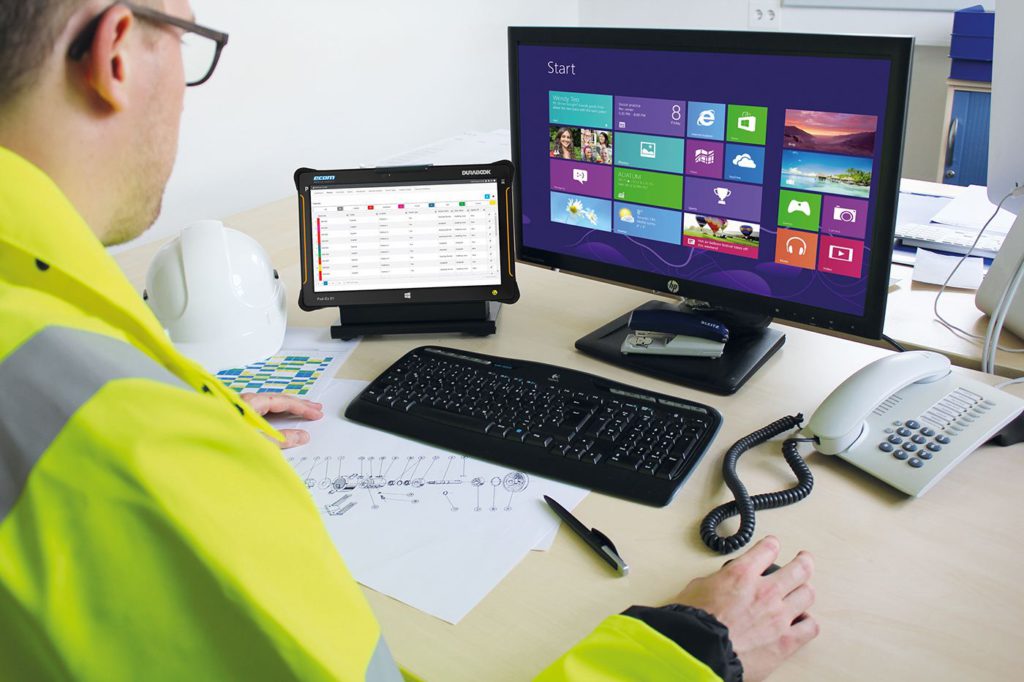
Designing for EMC in C1D2 Environments
Designing for EMC in C1D2 environments involves several key considerations:
- Shielding: This involves enclosing the electronic components in a conductive material to block external EMI from reaching sensitive circuits and prevent internal EMI from escaping.
- Filtering: This involves using passive components like capacitors and inductors to suppress EMI conducted along power and signal lines, either at the source or at the point of entry to a sensitive device.
- Grounding: Proper grounding creates a low-impedance path for EMI to dissipate safely into the earth, preventing it from affecting the device’s operation or creating potential differences that could lead to arcing.
Key Features & Benefits of EMC-Compliant C1D2 Equipment
EMC compliance is not an optional add-on; it is engineered into the core of any device certified for C1D2 use. This design philosophy delivers tangible features and critical benefits for any operation in hazardous areas.
Key Design Features
- Robust Shielding and Enclosures: Certified equipment uses high-grade, sealed enclosures that provide physical protection and act as a Faraday cage, blocking electromagnetic radiation.
- Advanced Signal Filtering: Internal circuits include sophisticated filters on all input/output ports to clean power and data lines, ensuring that only the intended signals are processed.
- Secure Grounding and Bonding: Designs feature dedicated, low-impedance grounding points and internal bonding to ensure electrical potential is equalized across the device, minimizing the risk of interference and static discharge.
Primary Benefits
- Enhanced Operational Safety: The primary benefit is risk mitigation. By preventing EMI-induced malfunctions, EMC-compliant devices reduce the likelihood of an ignition event in a volatile atmosphere.
- Uninterrupted Process Reliability: In industrial settings, uptime is critical. EMC ensures that control systems, sensors, and monitors operate without interruption, preventing costly downtime and maintaining process integrity.
- Simplified Regulatory Compliance: Using certified EMC-compliant equipment ensures that your facility meets stringent safety standards from bodies like OSHA and NFPA, simplifying audits and ensuring legal compliance.
Case Study: EMC Design in Oil and Gas Industry
A prime example of EMC design in C1D2 environments is in the oil and gas industry. Here, equipment such as sensors, control systems, and communication devices must operate reliably despite the presence of high-power motors, radio transmitters, and other sources of EMI. Through effective shielding, filtering, and grounding, these devices can achieve EMC and ensure safe and efficient operations, from drilling platforms to refining facilities.
Importance of EMC in C1D2 Environments
Ensuring EMC in C1D2 environments is not just about compliance with safety standards. It also contributes to operational efficiency and reliability. A study by the National Institute of Standards and Technology (NIST) found that EMI-related issues cost the U.S. economy an estimated $1 billion annually. By designing for EMC, companies can avoid these costs, protect their personnel and assets, and improve their bottom line.
Frequently Asked Questions about EMC in C1D2
What is the main difference between EMI and EMC?
EMI (Electromagnetic Interference) is the disruptive energy itself, often referred to as ‘noise,’ that can interfere with electronic devices. EMC (Electromagnetic Compatibility) is the ability of a device to function correctly in its electromagnetic environment without generating unbearable interference to other devices. In short, EMI is the problem, and EMC is the solution or goal.
Are all electronic devices in a C1D2 area required to be EMC compliant?
Yes, any electronic equipment intended for use in a Class 1 Division 2 location must meet specific standards, which include requirements for electromagnetic compatibility. This is crucial to prevent the equipment from becoming an ignition source or malfunctioning in a way that compromises safety protocols.
How does EMC testing for C1D2 devices work?
EMC testing involves two main parts: emissions testing and susceptibility (or immunity) testing. Emissions testing measures the amount of EMI the device generates to ensure it’s below specified limits. Susceptibility testing exposes the device to various electromagnetic phenomena to ensure it continues to operate safely and reliably without malfunctioning.
Conclusion: Your Partner for EMC in Class 1 Division 2 Environments
Designing for electromagnetic compatibility in Class 1 Division 2 environments is a critical aspect of ensuring safety and operational efficiency. By understanding the principles of EMC and implementing effective design strategies, companies can mitigate the risks associated with electromagnetic interference and enhance their operations. At Intrinsically Safe Store, we are committed to providing equipment that meets these stringent standards. We invite you to explore our range of products and talk to a C1D2 specialist about your EMC needs for any inquiries.