

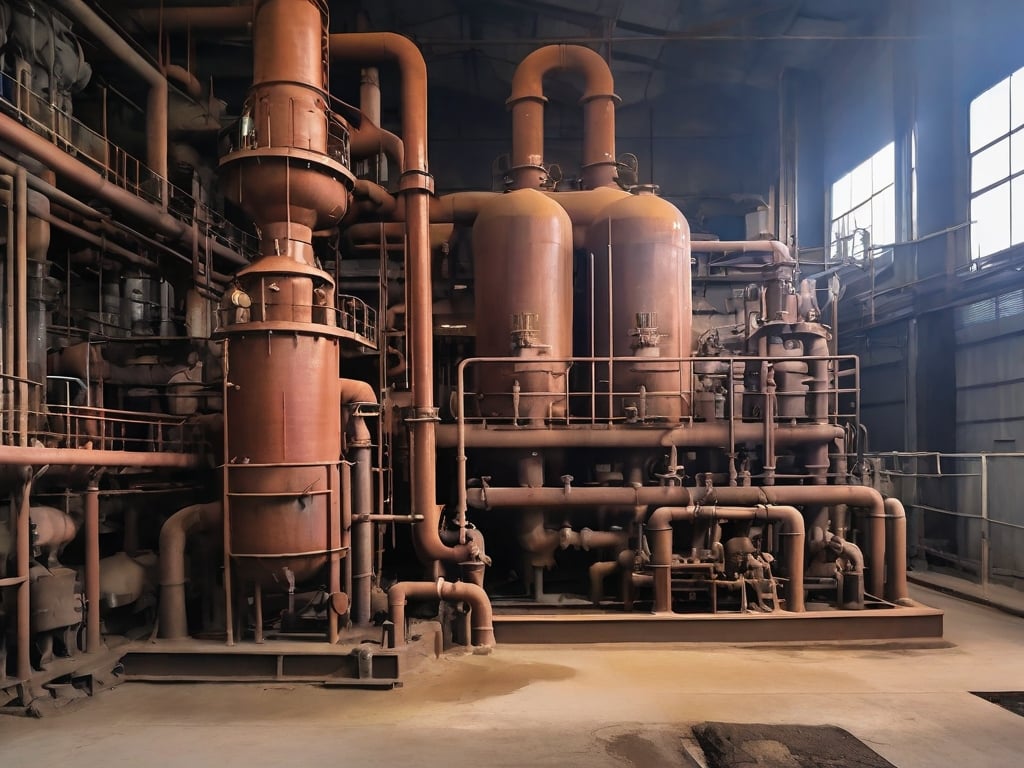
Intrinsically Safe Knowledge Base
Intrinsically Safe Emergency Lighting: Certified Options | ISS
When it comes to emergency response, every second counts. The quality of their equipment, particularly their lighting, can significantly impact the efficiency and effectiveness of emergency response teams. This is where Intrinsically Safe Store comes into play, providing high-quality, intrinsically safe lighting solutions that can drastically improve emergency response times.
Explore a wide range of intrinsically safe lighting options designed to enhance the performance of emergency response teams. Browse our certified lighting solutions to find the right equipment for your operations.
Understanding Intrinsically Safe Lighting
Designers create intrinsically safe lighting to operate in hazardous environments without triggering ignition. Engineers design these lights to restrict electrical and thermal energy to a level below what a specific hazardous atmospheric mixture requires for ignition. This makes them ideal for use in emergency situations, particularly in environments that may contain flammable gases or dust.
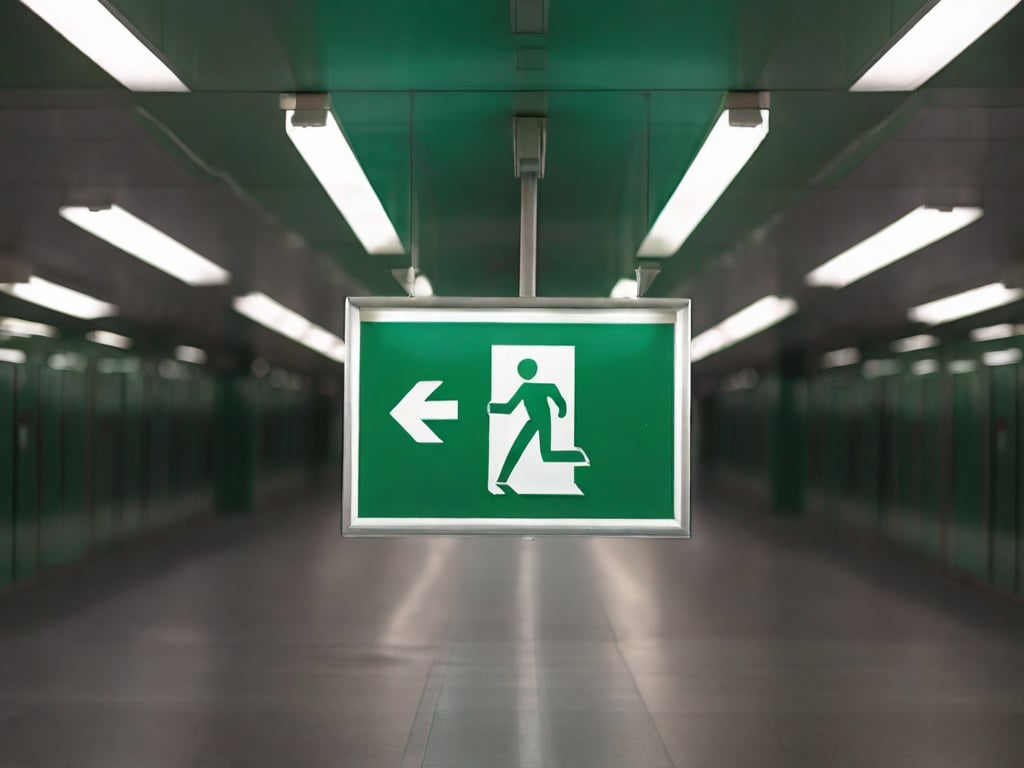
The Impact of Intrinsically Safe Lighting on Emergency Response Times
Effective lighting is crucial in emergency situations. It can mean the difference between a swift, successful response and a delayed, potentially dangerous one. Here’s how intrinsically safe lighting can enhance emergency response times:
- Improved Visibility: Intrinsically safe lights provide bright, clear illumination, enabling emergency responders to quickly assess the situation and take appropriate action.
- Increased Safety: By preventing ignition in hazardous environments, these lights enhance the safety of emergency responders, allowing them to focus on their tasks without worrying about potential explosions.
- Enhanced Efficiency: With reliable lighting, emergency teams can work more efficiently, reducing overall response times.
Case Study: Intrinsically Safe Lighting in Action
Industry bodies like the National Fire Protection Association (NFPA) emphasize that proper illumination is critical in emergency scenarios, as poor lighting can significantly delay task completion for first responders. However, when equipped with intrinsically safe lighting, their efficiency improved dramatically, leading to faster response times.
Statistics Highlighting the Importance of Intrinsically Safe Lighting
Workplace safety data consistently identifies inadequate lighting as a contributing factor in accidents across multiple high-risk industries. By investing in intrinsically safe lighting, organizations can significantly reduce the risk of accidents and improve response times.
What Changed in Intrinsically Safe Lighting Standards?
The core principles of intrinsic safety—limiting thermal and electrical energy to prevent ignition—remain constant. However, the standards governing these devices, such as ATEX for Europe and IECEx for international use, are periodically updated. Recent evolutions focus on incorporating advancements in technology, particularly with LED components and battery chemistry. Modern intrinsically safe lights are brighter, more energy-efficient, and have longer runtimes than older models, all while meeting stricter safety requirements. These updates ensure that emergency responders have access to the most reliable and powerful illumination without compromising safety in volatile environments.
For example, newer standards place greater emphasis on material durability and ingress protection (IP ratings) to ensure devices withstand the harsh conditions of emergency scenes. When selecting equipment, it’s crucial to look for the latest certifications to guarantee compliance and performance. You can find a full range of ATEX and IECEx certified lighting suitable for modern emergency response.
Updated Comparison of Current Intrinsically Safe Lighting Options
Choosing the right lighting depends on the specific demands of the emergency scenario. Modern options offer a range of features tailored to different tasks. Here is a brief comparison of common types available today:
| Lighting Type | Primary Use Case | Key Features | Common Certifications |
|---|---|---|---|
| Headlamps | Hands-free operation for individual responders (e.g., paramedics, technicians). | Lightweight, adjustable beam, long battery life. | Class I Div 1, ATEX Zone 0/1 |
| Flashlights/Torches | General purpose, inspection, and navigation. | High lumen output, durable construction, spot/flood modes. | Class I Div 1/2, ATEX Zone 0/1/2 |
| Fixed/Area Lighting | Illuminating larger scenes, command posts, or temporary shelters. | High-power, wide area coverage, often tripod-mounted or magnetic. | Class I Div 2, ATEX Zone 2 |
This variety ensures that teams can equip themselves with a mix of lighting solutions, from personal intrinsically safe headlamps for mobility to powerful area lights for scene safety.
Frequently Asked Questions
What is the difference between intrinsically safe and explosion-proof lighting?
Intrinsic safety works by limiting the energy of the electrical circuit itself, so it can’t create a spark or heat capable of causing an ignition. Explosion-proof equipment, on the other hand, is built with a heavy enclosure designed to contain an internal explosion and prevent it from propagating to the outside hazardous atmosphere. For portable, low-power electronics like flashlights and gas detectors, intrinsic safety is often preferred for its lightweight design and versatility compared to the heavy enclosures required for explosion-proofing.
How often do I need to inspect my intrinsically safe lights?
Regular inspection is critical. Follow the manufacturer’s guidelines, but a general best practice is to perform a visual inspection before each use for any cracks, damage, or signs of wear on the housing or lens. A more thorough functional check should be conducted periodically as part of your team’s standard equipment maintenance schedule. Damaged units must be removed from service immediately.
Can I change the batteries in an intrinsically safe flashlight in a hazardous area?
No. You must never open the battery compartment or any part of the device’s enclosure while in a designated hazardous area. Batteries should only be replaced in a safe, non-hazardous location according to the manufacturer’s instructions. Using incorrect battery types can also void the certification and create a safety risk.
Enhancing Emergency Response with Intrinsically Safe Lighting
Intrinsically safe lighting plays a crucial role in enhancing emergency response times. By providing improved visibility, increased safety, and enhanced efficiency, these lighting solutions enable emergency responders to perform their tasks more effectively and swiftly. As a leading provider of intrinsically safe lighting solutions, the Intrinsically Safe Store commits to support emergency management teams in their critical work.
Talk to a Hazardous Area Specialist About Your Emergency Lighting Needs to learn more about our range of intrinsically safe lighting solutions and how they can benefit your organization.