Intrinsically Safe Knowledge Base
Intrinsically Safe Wearables: 2026 Buyer’s Guide | ISS
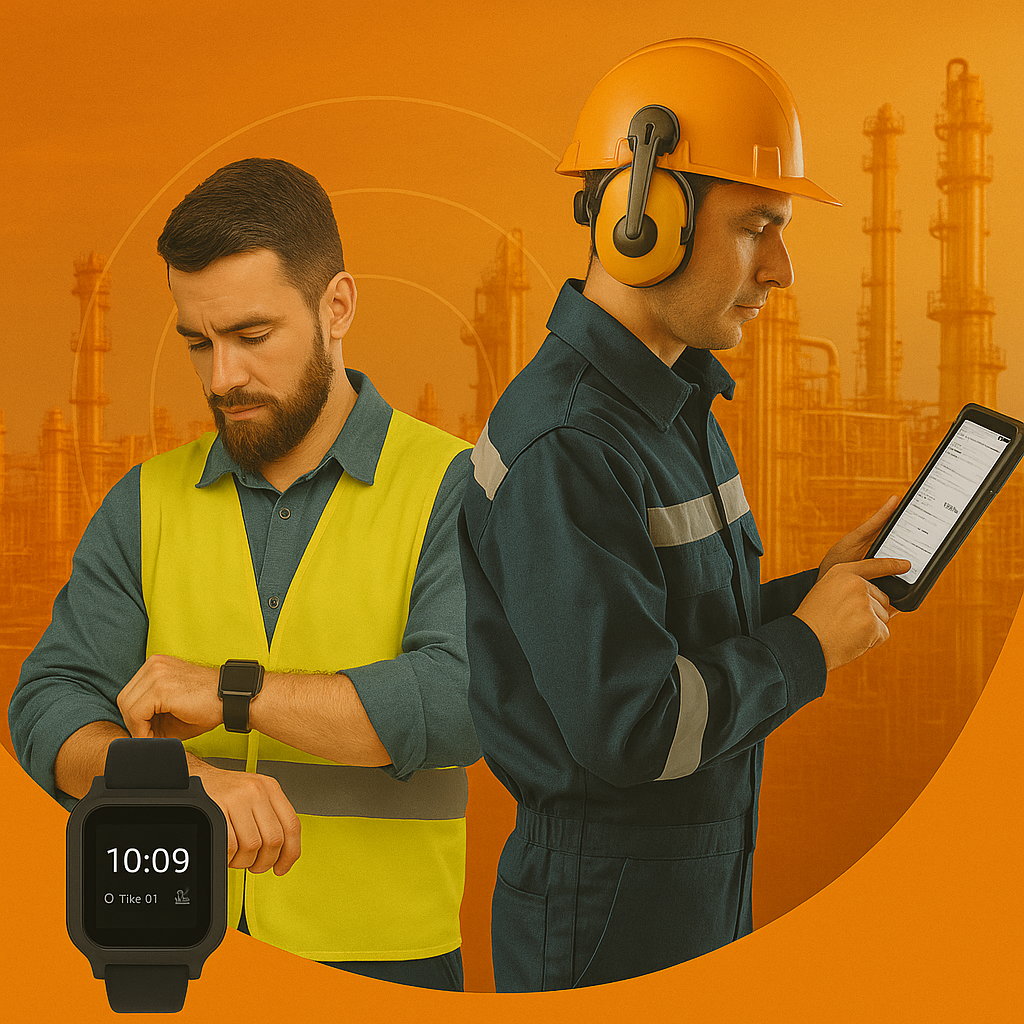
As workplace safety continues to evolve with technology, intrinsically safe wearables are emerging as a vital innovation for industries operating in explosive or hazardous environments. These wearables offer frontline workers the ability to monitor, communicate, and collect data hands-free—all while complying with strict safety certifications like ATEX, IECEx, and UL913.
From smart glasses to wearable gas detectors, the integration of intrinsically safe wearables is helping companies reduce risk, streamline operations, and empower workers with real-time data. In this article, we’ll explore the latest developments in this growing category, highlight top products available at Intrinsically Safe Store, and explain why these technologies are shaping the future of field safety.
What Are Intrinsically Safe Wearables?
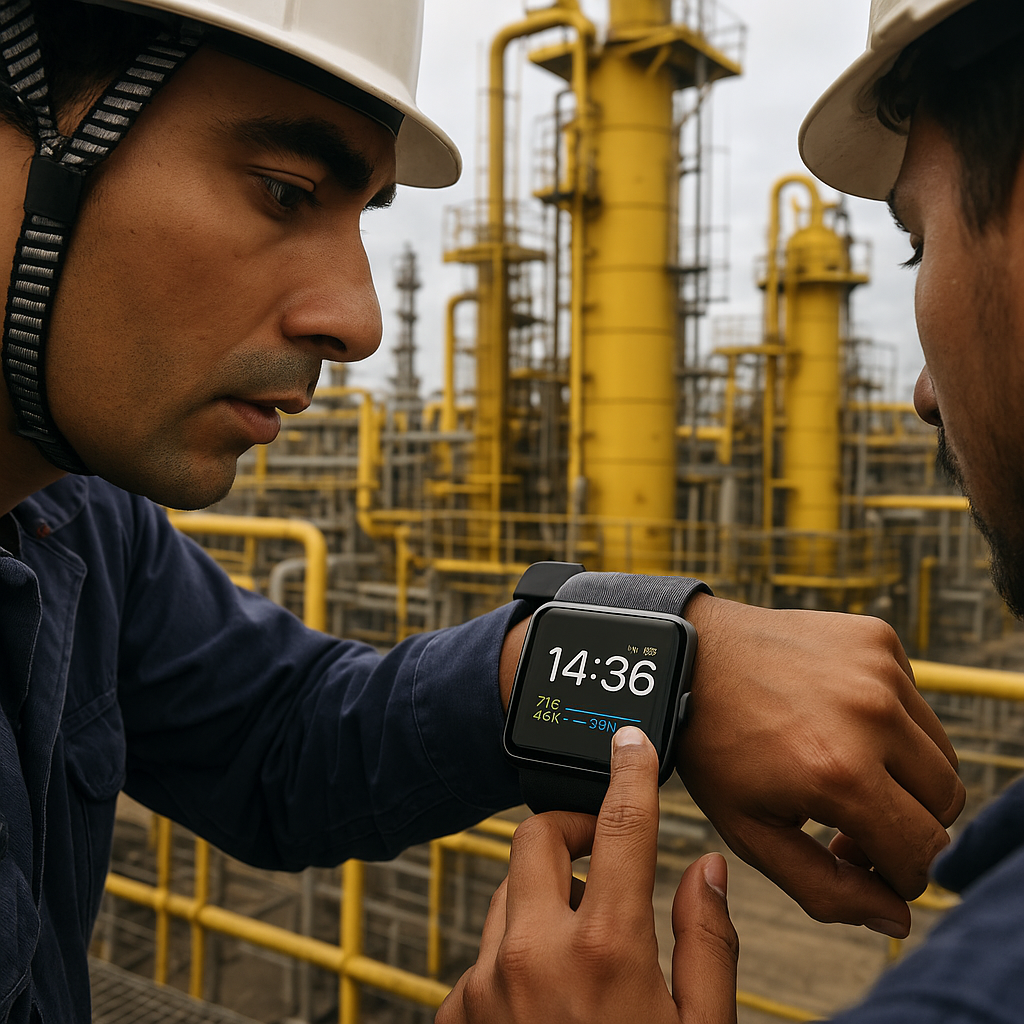
Intrinsically safe wearables are body-worn electronic devices engineered to prevent ignition in explosive atmospheres. They are rigorously tested and certified for use in hazardous zones—such as oil rigs, chemical plants, refineries, and mining operations—where a single spark could trigger disaster.
Examples include:
-
Smartwatches
-
Head-mounted cameras
-
Wearable gas detectors
-
Smart glasses
-
Bodycams and communication headsets
These devices are purpose-built with safety mechanisms to limit electrical and thermal energy, ensuring they do not become an ignition source even in fault conditions.
Why Are Intrinsically Safe Wearables Gaining Traction?
Safety and Compliance
They meet the highest global standards (e.g., ATEX Zone 1, IECEx, CSA) required for potentially explosive environments.
Hands-Free Efficiency
Workers can navigate complex tasks, access data, and communicate without needing to hold devices.
Real-Time Monitoring
Devices can stream data to supervisors, alert teams of hazards, and help with remote diagnostics.
Productivity Gains
Reduced downtime and faster decision-making through on-the-spot access to manuals, video calls, or AR overlays.
Key Certifications to Know
Understanding certifications ensures you’re selecting the right device for your work zone:
| Certification | Region | Zone/Division | Description |
|---|---|---|---|
| ATEX Zone 1 | Europe | High-risk | Explosive gases present during normal operations |
| ATEX Zone 2 | Europe | Moderate-risk | Gases present only during abnormal events |
| IECEx | Global | Equivalent to ATEX | International standard for explosive atmospheres |
| Class I, Div 1/2 | North America | Continuous/intermittent | Risk levels depending on exposure frequency |
Top Intrinsically Safe Wearables
Here’s a comparison of leading intrinsically safe wearables featured on the Intrinsically Safe Store:
| Product | Type | Certifications | Key Features | Use Cases |
|---|
| RealWear Navigator Z1 | Smart glasses | ATEX Zone 1, IECEx, CSA | Voice-controlled, HD camera, Wi-Fi | Maintenance, remote assistance |
| Blackline Safety G7c | Gas detector | ATEX Zone 1, CSA, IECEx | Gas detection, location tracking | Confined spaces, lone worker safety |
| Sensear SM1P-Ex Headset | Communication | ATEX Zone 1, CSA, IECEx | Noise-cancelling, Bluetooth, push-to-talk | Industrial communication |
| Ecom Smart-Ex Watch 01 | Smartwatch | ATEX Zone 2, IECEx | Android OS, GPS, heart-rate monitor | Time tracking, health monitoring |
| Ecom Visor-Ex 01 | AR smart glasses | ATEX Zone 1, IECEx | Dual-display, Android, head-mounted cam | AR support, remote inspections |
Use Cases Across Industries
Oil and Gas
Workers on offshore rigs or refineries use smart glasses and gas monitors to detect leaks, stream video to engineers, or perform visual inspections hands-free.
Chemical Manufacturing
Headsets and smartwatches help monitor safety metrics and provide real-time communication in noisy or explosive environments.
Utilities and Energy
Field workers use AR glasses to overlay schematics during repairs or inspections while keeping their hands free.
Mining
Body-worn gas detectors and noise-protected communication gear are critical in underground and explosive dust environments.
How Intrinsically Safe Wearables Enhance Safety Protocols
-
Proactive Alerts: Real-time exposure alerts for gas leaks or abnormal conditions
-
Worker Tracking: GPS and geofencing improve location awareness and emergency response
-
Incident Documentation: HD cameras allow workers to record issues for later analysis or compliance
-
Health Monitoring: Wearables track worker fatigue, heart rate, and stress to prevent incidents
How to Choose the Right Intrinsically Safe Wearable
1. Know Your Certification Zone
Your facility’s classification will dictate the required level of protection—Zone 1 or Zone 2, Class I Div 1 or 2, etc.
2. Define Use Case
Do you need communication, data access, safety alerts, or AR? Match the wearable type accordingly.
3. Consider Integration
Choose devices that sync with your EHS systems, asset management tools, or ERP.
4. Evaluate Battery and Durability
Long shifts demand extended battery life and rugged design (IP65+ rating).
FAQs About Intrinsically Safe Wearables
What makes a wearable device intrinsically safe?
It is designed to limit electrical and thermal energy to prevent ignition in hazardous areas. These devices undergo strict certification tests and are constructed with non-sparking components.
Can intrinsically safe wearables connect to the cloud?
Yes. Many modern wearables support Wi-Fi, LTE, or Bluetooth connectivity to enable cloud access for real-time monitoring, updates, and data analytics.
Are intrinsically safe wearables waterproof?
Most are IP65 or higher rated, meaning they resist dust and water spray. Some are even submersible, depending on design.
Can intrinsically safe smart glasses stream video?
Yes. Devices like the RealWear Navigator Z1 can stream HD video, take voice commands, and run Android-based apps designed for field collaboration.
Are these wearables comfortable for all-day use?
Most are ergonomically designed and lightweight. Brands such as Ecom and RealWear prioritize comfort for long-term wear in challenging environments.
The Future of Intrinsically Safe Wearables
Integration with IoT & AI
Future wearables will become part of a broader Industrial Internet of Things (IIoT) ecosystem, allowing predictive maintenance, smart alerts, and automated safety protocols.
Augmented Reality (AR) Expansion
AR will be used for overlaying instructions, diagnosing faults, and enabling immersive remote collaboration through smart glasses.
Biometric Safety Monitoring
Next-gen smartwatches and bands will monitor worker stress, fatigue, and exposure levels—helping prevent accidents before they occur.
Unified Communication Hubs
Intrinsically safe headsets will merge PTT, team communication, and hazard alerts into a single wearable interface.
Final Thoughts
As work environments grow more complex and hazardous, intrinsically safe wearables offer an exciting pathway to enhance worker safety, efficiency, and compliance. Whether you need real-time gas detection, hands-free video support, or biometric monitoring, there is a certified wearable tailored for your operation.
Explore the latest in intrinsically safe wearables at the Intrinsically Safe Store, where each product is tested, certified, and built to perform in the world’s toughest conditions. Equip your team with the technology they need—safely and efficiently.