Intrinsically Safe Knowledge Base
Chemical Logistics Safety: ATEX & IECEx Guide for 2026
Introduction to Chemical Logistics Safety
Chemical logistics is a highly specialized field dedicated to the safe and efficient management of chemical products throughout the supply chain. It covers the transportation, storage, and handling of often hazardous materials. Unlike standard logistics, this sector operates under a complex framework of stringent safety regulations designed to prevent ignition in potentially explosive atmospheres. Central to this framework are standards like ATEX and IECEx, which are essential for protecting personnel, the public, and the environment.
Adhering to these safety certifications is not just about compliance; it directly impacts a company’s operational integrity, reputation, and financial stability. A robust safety strategy, built on a solid understanding of ATEX and IECEx principles, ensures that products are handled safely, supply chains remain resilient, and all activities comply with international law. As the chemical industry evolves towards 2026, the demand for partners who can navigate these life-safety standards with expertise and precision is more critical than ever.
Definition: ATEX and IECEx are international standards for equipment used in potentially explosive atmospheres. ATEX (ATmosphères EXplosibles) is a mandatory EU directive, while IECEx is a global certification scheme aimed at facilitating international trade of compliant equipment.
Challenges:
- Navigating the legal differences between the mandatory ATEX directive in the EU and the internationally recognized, but voluntarily adopted, IECEx scheme.
- Ensuring all personnel understand hazardous area classifications (Zones and Divisions) and can select the appropriate certified equipment for each task.
- Managing the cost and logistics of sourcing, implementing, and maintaining a fleet of certified devices across different global operations.
Examples in Action:
- A chemical transfer station, classified as Zone 1, requires an IECEx-certified pump and an intrinsically safe tablet for logging data to prevent ignition.
- A European warehouse storing flammable solvents (a Zone 2 area) must use ATEX-rated forklifts and lighting to comply with the EU’s worker safety directive.
Economic Impact:
- The initial investment in certified equipment prevents catastrophic financial losses from explosions, including facility damage, production downtime, and hefty regulatory fines.
- Non-compliance can lead to exclusion from key markets, particularly the EU, and cause severe reputational damage.
Compliance Goal: The ultimate goal of adhering to these standards is to create a universally safe operating environment, protecting personnel, assets, and the public by eliminating ignition sources in hazardous areas.
- Understanding ATEX & IECEx is non-negotiable for anyone involved in transporting and storing hazardous materials.
- Proper hazardous area classification is the first step toward ensuring safety, efficiency, and regulatory compliance within the industry.
- The Intrinsically Safe Store provides a single source for certified equipment—from ATEX-rated tablets for inventory management to Class I, Div 2 lighting for storage facilities—that meets the stringent compliance demands of chemical logistics.
Hazardous Area Classification: The Foundation of Safety
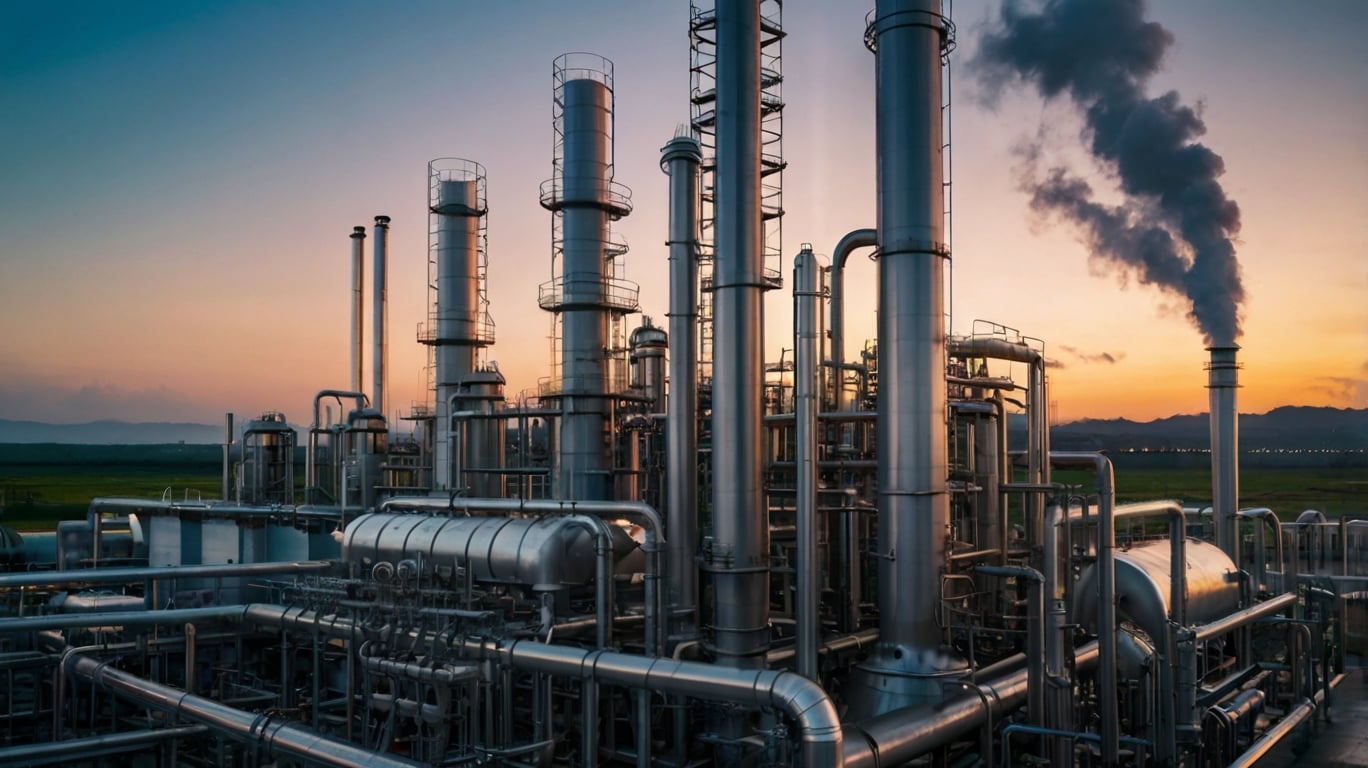
Before selecting any equipment, a facility must undergo a hazardous area classification. This crucial process identifies areas where an explosive atmosphere (a mix of flammable substances with air) could exist and determines the probability of its occurrence. The two dominant global systems for this are the Zone system (ATEX/IECEx) and the Division system (North America).
The Zone system classifies areas based on the frequency and duration of the explosive atmosphere. For gases and vapors, Zone 0 indicates a continuous presence, Zone 1 indicates a likely presence during normal operation, and Zone 2 indicates an unlikely presence, and only for short periods. A similar system (Zones 20, 21, 22) applies to combustible dusts.
The North American system uses Classes to define the type of substance (Class I for gases, Class II for dusts) and Divisions to define the likelihood of its presence. Division 1 is where ignitable concentrations exist under normal conditions, while Division 2 is where they exist only under abnormal conditions, like a container failure.
Correctly classifying a chemical storage warehouse, a loading dock, or a transport vehicle is the most critical step. This classification dictates the level of protection required for all electrical and mechanical equipment used within that space, forming the bedrock of your explosion protection strategy.
To meet these requirements, The Intrinsically Safe Store provides expert guidance and a comprehensive range of hazardous area certified products. We help clients navigate the complexities of area classification to ensure every piece of equipment not only meets but exceeds safety standards, aligning with our BHAG of connecting one billion safe solutions by 2030.
Applying ATEX & IECEx in Chemical Logistics Settings
Understanding the theory is one thing; applying it correctly is another. In chemical logistics, every environment presents unique risks that demand specific, certified equipment solutions to ensure safety and compliance.
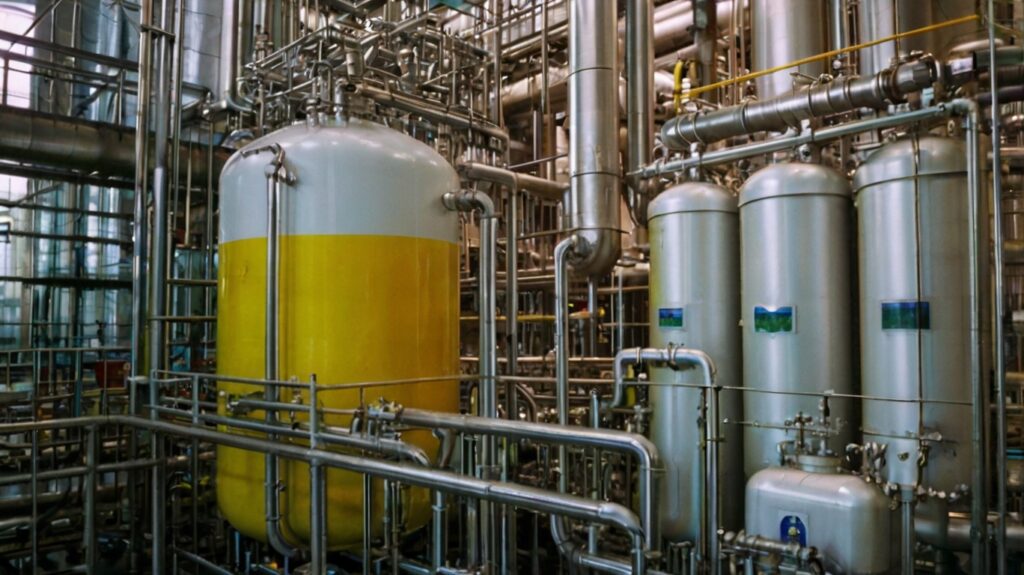
- Chemical Storage Warehouses: A warehouse storing sealed containers might be largely Zone 2 / Div 2. However, areas for dispensing or charging forklifts could be Zone 1 / Div 1. All equipment, from lighting to inventory scanners, must match the zone’s rating.
- Transportation & Transfer: Loading and unloading tankers is a high-risk activity, typically classified as Zone 1. Certified grounding systems, intrinsically safe radios for communication, and explosion-proof pumps are mandatory to prevent static discharge or sparks.
- Processing & Mixing Areas: These areas often have continuous or frequent presence of flammable vapors, classifying them as Zone 0 or 1. Equipment here requires the highest levels of protection, such as intrinsically safe (Ex ‘ia’) sensors and controls.
- Mobile Operations: Field operators and drivers need certified technology. Using an ATEX-rated tablet for documentation or a certified gas detector is essential for personal and operational safety.
The core principle is to match the equipment’s protection level to the risk level of the environment. A Zone 2-rated device cannot be used in a Zone 1 area. This requires careful planning and partnership with specialized logistics experts who understand these critical distinctions.
By integrating correctly certified technology, companies transform a compliance necessity into an operational advantage. Real-time data capture, improved communication, and digital workflows can all be safely implemented in the most hazardous environments, enhancing both safety and efficiency.
Ready to Transform Your Chemical Logistics?
At The Intrinsically Safe Store, we understand the intricacies and challenges that come with logistics in the chemical industry. Our dedication goes beyond providing exceptional products; we aim to deliver solutions that cater to the specific needs of industries operating in hazardous environments. Here’s why partnering with us will be a game-changer for your logistics requirements:
- Expert Knowledge: Leverage our decade-long experience and expertise in navigating the complexities of ATEX & IECEx compliance safely and efficiently.
- Custom Solutions: Tailor your logistics approach with our custom design engineering, fabrication, and integration capabilities, specifically designed for hazardous area operations.
- Commitment to Safety: With a wide range of hazardous area certified products, we ensure the utmost safety and compliance, giving you peace of mind.
- Continuous Improvement: Benefit from our continuous commitment to exploration, improvement, and innovation tailored to the logistics in the chemical industry.
Don’t let logistics complexities compromise your safety and efficiency. Talk to our hazardous area specialists today to find out how our solutions can bolster your logistics strategy, achieve operational excellence, and contribute to connecting one billion safe solutions by 2030. Consult Our Specialists on Certified Logistics Equipment and take a bold step towards a safer, more efficient future. Let us be your partner in navigating the complexities of chemical logistics. Together, we will not only meet but exceed your expectations, driving your business forward with confidence and precision.
Selecting Compliant Equipment: Markings and Ratings
Once an area is classified, you must select equipment certified for that specific environment. This is done by reading the ATEX/IECEx marking string on the product, which provides critical safety information.
Understanding the Marking String
A typical marking (e.g., Ex d IIC T6 Gb) contains several key components. The ‘Ex’ signifies it’s explosion-protected. The following letters indicate the protection method used, such as ‘d’ for flameproof enclosure or ‘ia’ for intrinsic safety. Each method is suitable for different zones and applications.
Gas Groups and Temperature Classes
The Gas Group (e.g., IIC) indicates which flammable gases the equipment is safe to be used with. Group IIC is the most onerous, covering highly volatile substances like hydrogen and acetylene, and is also suitable for use with less volatile Group IIB and IIA substances. The Temperature Class (e.g., T6) denotes the maximum surface temperature the device can reach. T6 (85°C) is the safest rating. The equipment’s T-class must be below the auto-ignition temperature of the chemicals present.
Equipment Protection Level (EPL)
The EPL (e.g., Gb) directly links the equipment to the Zone it can be used in. ‘Ga’ is for Zone 0, ‘Gb’ for Zone 1, and ‘Gc’ for Zone 2. A similar system (Da, Db, Dc) applies to dust zones. This provides a straightforward way to verify suitability.
Ensuring Proper Documentation
Always verify that the equipment comes with a valid ATEX or IECEx Certificate of Conformity and the manufacturer’s instructions. This documentation is essential for regulatory compliance and proves that the product has been independently tested and certified to meet the required safety standards.
Partnering with an Expert
Navigating these technical details can be challenging. Partnering with a specialist like The Intrinsically Safe Store ensures you select the correct equipment for your specific chemical logistics needs, backed by expert knowledge and a commitment to safety. We can help you decode the markings and ensure every component in your operation is compliant and safe.
By implementing these selection strategies, companies can confidently operate within hazardous environments, ensuring the safety of their personnel and the integrity of their operations while meeting global compliance standards.
Innovations in Chemical Storage Solutions
Navigating the complexities of logistics in the chemical industry requires not just a comprehensive understanding of regulatory standards but also an innovative approach to storage solutions. The stakes are high, as the proper chemical storage reduces risks, optimizes operations, and ensures the safety of both people and the environment. Companies operating in hazardous environments demand cutting-edge storage solutions that address specific challenges inherent to the chemical industry.
At the forefront of these innovations is the development of smart storage systems. These advanced systems leverage IoT (Internet of Things) technology to monitor chemical states in real-time, including temperature, humidity, and chemical integrity. This real-time data collection and analysis enable proactive management of chemical products, reducing the risk of accidents and ensuring regulatory compliance.
Furthermore, modern chemical storage solutions are increasingly focusing on modularity and scalability. As companies grow and their needs evolve, storage systems that can adapt and expand without significant downtime or expense are invaluable. Modular storage solutions, designed for easy reconfiguration, can accommodate changes in inventory types, quantities, and compliance requirements, providing a flexible and cost-effective option for dynamic industry needs.
Another notable innovation is the emphasis on environmentally sustainable storage options. The chemical industry is acutely aware of its role in protecting the environment, leading to the development of storage solutions that minimize environmental impact. This includes materials and manufacturing processes that reduce carbon footprints and systems designed to mitigate the risk of spillage and leaks.
The Intrinsically Safe Store, with its commitment to providing hazardous area certified products, is actively exploring and integrating these innovative storage solutions into its offerings. The company’s dedication to continuous improvement and passion for work align with the industry’s needs for safer, more efficient, and sustainable storage solutions. By offering custom-designed engineering, fabrication, and integration capabilities, The Intrinsically Safe Store is uniquely positioned to meet the specific needs of industries operating in hazardous environments.
Our ongoing exploration into storage innovations aligns with our Big Hairy Audacious Goal (BHAG) to connect one billion safe solutions by 2030. We aim to not only respond to the current demands of the logistics in the chemical industry but to anticipate future challenges and opportunities, ensuring that our clients are always at the cutting edge of safety and efficiency.
The Challenges of Global Chemical Supply Chains
In the realm of global commerce, logistics in the chemical industry embodies a labyrinth of complexities that necessitate meticulous planning and an unwavering commitment to safety and efficiency. These challenges span the spectrum from regulatory compliance and safe transportation to the preservation of product integrity throughout the supply chain. Here, we delve into the fundamental hurdles that industries operating in hazardous environments must overcome to ensure seamless operations.
Regulatory Compliance: A paramount concern in chemical logistics is adherence to international, national, and local regulations, which can significantly vary from one region to another. These regulations govern the handling, transportation, storage, and disposal of chemicals to safeguard human health and the environment. For companies like The Intrinsically Safe Store, which operates at the nexus of innovation and safety, navigating these regulations is not just a legal obligation but a cornerstone of their mission to provide peace of mind to clients.
Transportation and Handling: Moving hazardous chemicals poses unique challenges, requiring specialized containers, transportation modes, and handling procedures to prevent leaks, spills, and exposure. Materials must be meticulously classified, and the appropriate hazard placards must be displayed prominently. The selection of carriers with expertise in hazardous materials is critical, underscoring the need for logistics partners that understand the stakes and possess the requisite certifications.
Storage and Warehousing: Chemicals demand storage solutions that mitigate the risk of reactions, contamination, and degradation. This entails not only the physical infrastructure—such as temperature-controlled environments and secure containment areas—but also inventory management systems that track chemical expiry dates and ensure the rotation of stock. For entities entrenched in the provision of hazardous area certified products, like The Intrinsically Safe Store, the emphasis on storage and warehousing is a testament to their commitment to maintaining product integrity and client trust.
Global Supply Chain Visibility: Achieving end-to-end visibility in the chemical supply chain is a Herculean task that requires advanced tracking and monitoring solutions. Real-time data on the location, condition, and estimated arrival times of shipments empowers companies to make informed decisions, address disruptions proactively, and uphold their service commitments. For a company with a BHAG of connecting one billion safe solutions by 2030, visibility is not just operational—it’s strategic.
Emergency Response Preparedness: Despite best efforts, accidents involving hazardous chemicals can occur. A robust emergency response plan, encompassing spill containment, evacuation procedures, and communication protocols, is indispensable. Companies must work closely with local emergency services, train their personnel regularly, and conduct drills to ensure readiness.
Navigating the complexities of global chemical supply chains is a daunting yet essential undertaking for companies operating in hazardous environments. It requires a synergy of expertise, technology, and a culture of safety and innovation—qualities that The Intrinsically Safe Store embodies as it aims to supply industries with solutions that not only meet the highest standards of safety but also advance a safer, more sustainable world.
The Role of Technology in Chemical Logistics
In the fast-paced world of the chemical industry, where safety and precision are paramount, the use of technology in logistics cannot be overstated. It plays a critical role in every step of the supply chain, transforming traditional practices into streamlined processes that enhance efficiency and reduce risks. As The Intrinsically Safe Store continues to provide solutions aimed at improving safety and operational excellence in hazardous industries, understanding how technology shapes chemical logistics is crucial for our clients.
Real-time Tracking and Monitoring
One of the most significant technological advancements in logistic operations is the capability for real-time tracking of shipments. GPS and RFID technology enable companies to monitor the location of their goods at any given time, providing unprecedented visibility and control. This level of transparency is vital in the chemical industry, where the timely delivery of materials can be critical to production schedules and safety regulations.
Advanced Data Analytics
Data analytics allows for the analysis of large volumes of data to uncover patterns, predict trends, and make informed decisions. In chemical logistics, this can translate to optimized routes for transportation, better inventory management, and predictive analytics for maintenance. These insights not only drive efficiency but also contribute to sustainability by reducing wastage and energy consumption.
Automation and Robotics
The integration of automation and robotics in warehouses and distribution centers is transforming the handling of chemical products. Automated guided vehicles (AGVs), robotic picking systems, and automated storage and retrieval systems (AS/RS) minimize human intervention, reducing the chance of errors and accidents. This automation extends to packaging and labeling, increasing accuracy and compliance with regulatory standards.
Compliance and Safety Management Systems
Technology also plays a crucial role in ensuring compliance with international regulations and standards. Advanced software solutions enable seamless management of Safety Data Sheets (SDS), hazard communication, and workplace safety protocols. These systems help in maintaining rigorous standards of safety and quality, a core commitment of The Intrinsically Safe Store.
Blockchain for Supply Chain Transparency
Blockchain technology is emerging as a powerful tool for enhancing transparency and trust in the chemical logistics chain. By providing a secure and immutable ledger for recording transactions, blockchain technology can verify the authenticity of products and track the handling of hazardous materials from origin to destination. This level of transparency is invaluable for companies committed to safety and environmental stewardship.
As The Intrinsically Safe Store marches towards its goal of connecting one billion safe solutions by 2030, embracing these technological advancements in logistics is more than a strategic move; it’s a commitment to safety, efficiency, and innovation in serving industries operating in hazardous environments. By leveraging technology, we ensure that our clients not only meet their operational goals but also contribute to a safer and more sustainable world.
Quality Control Measures in Chemical Logistics
When navigating the complexities of logistics in the chemical industry, one cannot overstate the importance of stringent quality control measures. These measures are crucial not only for ensuring the safety and integrity of the chemical products during transit but also for reinforcing the trust and confidence of industries operating in hazardous environments. The Intrinsically Safe Store, with its dedicated commitment to providing peace of mind through hazardous area certified products, exemplifies this dedication to quality and safety.
The first step in maintaining the highest quality standards in chemical logistics involves a comprehensive understanding of the specific needs and challenges associated with transporting hazardous materials. This includes identifying the right packaging solutions that comply with national and international safety standards, ensuring that chemicals are stored and handled correctly to prevent leaks, spills, or contamination.
At The Intrinsically Safe Store, our expertise extends beyond the provision of safe products. We work closely with our clients in machine or plant engineering, chemical, pharmaceutical, packaging, material handling, renewable energy, and electronics to develop custom-designed logistics solutions. This collaboration is aimed at not only meeting but exceeding industry standards for safety and quality.
Risk Management and Continuous Monitoring are key aspects of our logistics operations. By employing advanced tracking technology, we ensure real-time visibility of shipments, allowing for immediate action in case of deviations from the planned route or unexpected delays. This level of vigilance is critical, given the potential risks associated with transporting hazardous chemicals.
Moreover, our commitment to continuous improvement involves regularly revising our logistics processes and engaging in rigorous training programs for our personnel. By staying abreast of the latest regulations and technological advancements in chemical logistics, we ensure our clients receive the most efficient, safe, and cost-effective solutions available.
Operating with the principle of providing WOW service, The Intrinsically Safe Store ensures every step of the chemical logistics process is handled with the utmost care and professionalism, from initial design and engineering to the final delivery. This approach supports our BHAG of connecting one billion safe solutions by 2030, underscoring our commitment to improving the world through enhanced safety measures in the chemical logistics sector.
In conclusion, Quality Control Measures in Chemical Logistics are not just about adhering to regulations; they’re about building a foundation of trust and reliability with clients who operate in some of the most challenging and risky environments. At The Intrinsically Safe Store, we embrace this challenge with enthusiasm, expertise, and a relentless pursuit of excellence.
Mitigating Chemicals Supply Chain Risk: A Proactive Approach
The term “chemicals supply chain risk” refers to the potential for disruptions that can impact the flow of chemical goods from production to end-use. These risks are multifaceted, stemming from geopolitical instability, natural disasters, sudden regulatory changes, and transportation bottlenecks. For an industry built on precision and timeliness, any disruption can lead to significant financial losses, production halts for downstream customers, and potential safety incidents. Unlike other industries, the hazardous nature of the materials means that a simple delay can escalate into a critical safety or environmental issue if not managed correctly.
A proactive strategy for mitigating these risks involves a multi-pronged approach. First, companies must focus on supplier diversification to avoid over-reliance on a single geographic region or provider. Second, investing in robust infrastructure, including certified storage facilities and transportation equipment, creates a buffer against external shocks. Finally, leveraging advanced technology is key. Predictive analytics can help forecast potential disruptions, while real-time visibility tools allow for agile responses. Using intrinsically safe devices ensures that this technology can be deployed directly within hazardous environments, providing accurate data where it’s needed most.
Building resilience is not just about preventing delays; it’s about ensuring safety and compliance are never compromised, even under pressure. A resilient supply chain can adapt to changing conditions without cutting corners on safety protocols. This requires a deep partnership with logistics providers who understand the complexities of hazardous materials and can offer flexible, compliant solutions. By mapping vulnerabilities and developing contingency plans, companies can protect their operations, personnel, and the environment from the inherent volatility of the global supply chain.
FAQs About ATEX & IECEx in Chemical Logistics
What is the main difference between ATEX and IECEx?
The primary difference is legal and geographical. ATEX is a mandatory legal requirement for any equipment sold for use in explosive atmospheres within the European Union. IECEx is an international certification scheme that is voluntary at the national level but is widely recognized worldwide, serving as a basis for demonstrating compliance with global safety standards.
What does a Zone 2 or Class I, Division 2 rating mean?
Both classifications refer to an area where flammable gases or vapors are not present during normal operations and would only appear under abnormal conditions, such as a leak or spill, and would only persist for a short time. Equipment used in these areas must still be certified to ensure it won’t be an ignition source if a flammable atmosphere does form.
Can I use an ATEX-certified device in a location requiring IECEx?
Not automatically. While the underlying technical standards are very similar, they are separate certifications. An ATEX-certified product does not inherently have IECEx certification. However, many manufacturers certify their products under both schemes. To use a device globally, you should look for one that holds both ATEX and IECEx certificates of conformity.
Why are Equipment Groups and Temperature Classes important?
They ensure equipment is matched to the specific hazard. The Equipment Group (e.g., Group II for surface industries) and Gas Subgroup (e.g., IIC for hydrogen) match the equipment to the type of explosive substance. The Temperature Class (T1-T6) indicates the maximum surface temperature the equipment can reach, which must be lower than the auto-ignition temperature of the chemicals present.
How do I determine the hazardous area classification for my facility?
Hazardous area classification must be performed by competent personnel through a formal risk assessment process. This involves analyzing the properties of the chemicals being handled, ventilation, and potential release sources to determine the extent and type of hazardous zones (e.g., Zone 1, Zone 2). This assessment is a legal requirement in many regions and forms the basis for all equipment selection.
Why is using certified mobile devices important in chemical logistics?
Standard mobile devices like phones and tablets are ignition sources. In a chemical logistics environment, where flammable vapors can be present, using a non-certified device can cause an explosion. ATEX/IECEx certified intrinsically safe devices are designed to prevent sparks and operate at low temperatures, allowing workers to safely use digital tools for inventory, communication, and process management directly within hazardous zones.
How can a company properly assess the reliability of a potential chemical logistics partner?
Assessing a logistics partner requires due diligence beyond cost analysis. Key indicators of reliability include verifying their certifications (e.g., ISO, Responsible Care®), examining their documented safety record and emergency response protocols, and auditing their technological capabilities for tracking and compliance. It’s also wise to request case studies or speak with current clients in a similar sector to gauge their performance and expertise in handling materials specific to your needs. A reliable partner should demonstrate a culture of continuous improvement and a deep understanding of your industry’s regulatory landscape.
What are the first steps to improving our company’s chemical supply chain?
The first step is a comprehensive internal audit and risk assessment of your current logistics operations. This involves mapping your entire supply chain, identifying potential single points of failure, and evaluating existing safety and compliance protocols against current regulations. Following the audit, prioritize the identified risks and develop a clear action plan. This is often the ideal stage to consult with a hazardous area specialist who can provide an external perspective and recommend specific solutions, technologies, and strategies to enhance safety, efficiency, and resilience.