

Intrinsically Safe Knowledge Base
Enhancing Operational Safety: Maintenance Practices for Hazardous Locations
Introduction
When it comes to maintaining equipment and facilities in hazardous locations, safety is not just a priority—it is an absolute necessity. These environments, characterized by the presence of flammable gases, vapors, or combustible dusts, pose significant risks of fire or explosion. This article, brought to you by the Intrinsically Safe Store, will delve into the best practices for maintenance in such environments, emphasizing the critical role of certified equipment and proper procedures. We invite you to explore our wide range of intrinsically safe products designed to ensure operational safety and compliance in hazardous locations.
Understanding Hazardous Locations
Hazardous locations are areas where fire or explosion hazards may exist due to flammable gases, vapors, dust, or fibers. These locations are common in industries such as oil and gas, mining, chemical, and manufacturing. The maintenance of equipment in these areas requires strict adherence to safety protocols to prevent accidents that could be catastrophic to personnel, assets, and the environment.
Best Practices for Maintenance in Hazardous Locations
Here are some of the best practices to follow when performing maintenance in hazardous locations:
- Regular Inspections: Regularly inspect equipment and facilities to identify potential hazards. This can help prevent accidents and ensure the safety of workers.
- Use of Intrinsically Safe Equipment: Use equipment that is intrinsically safe, meaning it is designed to prevent ignition of flammable substances. The Intrinsically Safe Store offers a wide range of such products.
- Proper Training: Ensure that all workers are properly trained in safety procedures and the use of safety equipment.
- Emergency Preparedness: Have an emergency response plan in place and conduct regular drills to ensure that all workers know what to do in case of an accident.
Key Features & Benefits of Adhering to Safety Protocols
Implementing a robust maintenance strategy for hazardous areas goes beyond simple compliance. It provides tangible benefits that enhance safety, reliability, and operational efficiency. Here are the key features of a strong safety protocol and their direct benefits:
Feature: Use of Certified Intrinsically Safe Tools
Benefit: The primary benefit is the prevention of ignition. Intrinsically safe tools are engineered to limit electrical and thermal energy, ensuring they cannot produce a spark or heat source capable of igniting a flammable atmosphere. This significantly reduces the risk of explosions, protects personnel, and ensures compliance with standards like ATEX, IECEx, and Class/Division systems.
Feature: Comprehensive Worker Training Programs
Benefit: Well-trained personnel are the first line of defense against accidents. Proper training equips workers to recognize potential hazards, understand the correct procedures for equipment handling, and respond effectively in emergencies. This reduces human error, fosters a culture of safety, and improves overall site security.
Feature: Proactive and Predictive Maintenance Schedules
Benefit: Shifting from reactive to proactive maintenance minimizes unplanned downtime and prevents catastrophic failures. Regular, scheduled inspections and servicing identify potential issues before they escalate, extending the lifespan of critical equipment and ensuring it operates within safe parameters at all times.
Case Study: The Importance of Regular Inspections
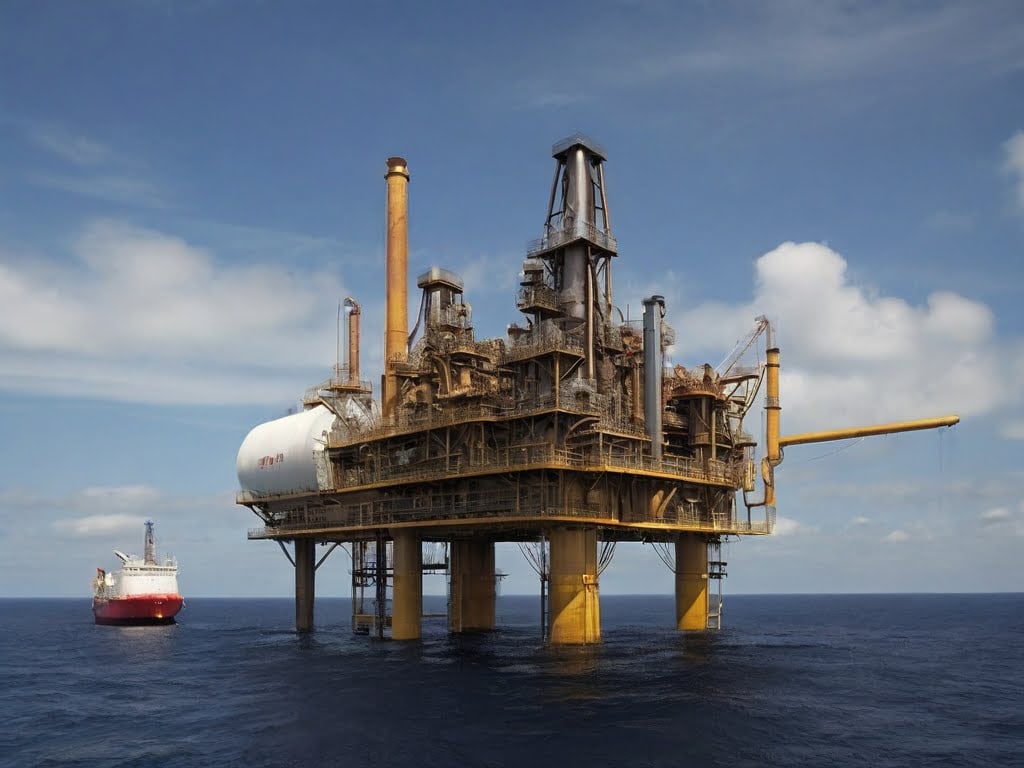
A case study from the oil and gas industry highlights the importance of regular inspections. In 2010, the Deepwater Horizon oil rig exploded, resulting in one of the largest oil spills in history. The investigation found that the explosion was caused by a failure of the blowout preventer, a safety device that should have shut off the well in case of an emergency. Regular inspections and maintenance could have prevented this disaster.
FAQs about Maintenance in Hazardous Locations
What makes equipment “intrinsically safe”?
Intrinsically safe equipment is designed to be incapable of releasing sufficient electrical or thermal energy under normal or abnormal conditions to cause ignition of a specific hazardous atmospheric mixture. It achieves this by limiting voltage, current, and temperature to levels below what is needed to ignite flammable substances.
How often should maintenance be performed in a hazardous area?
The frequency of maintenance depends on the equipment manufacturer’s recommendations, regulatory requirements (such as OSHA or ATEX directives), and the specific environmental conditions of the site. A proactive and regular inspection schedule is crucial, often including daily visual checks and more thorough periodic maintenance tasks.
Can standard tools be used for maintenance in a hazardous location if the area is de-energized?
Even if a primary electrical ignition source is de-energized, risks can remain from residual stored energy, static electricity, or mechanical sparks from standard ferrous tools. It is always best practice to use certified non-sparking or intrinsically safe tools specifically designed and rated for the hazardous classification of the area.
Maintenance in hazardous locations requires a high level of care and attention to safety. Regular inspections, the use of intrinsically safe equipment, proper training, and emergency preparedness are all crucial elements of a successful maintenance strategy. By following these best practices, companies can ensure the safety of their workers and prevent costly accidents.
For more information on intrinsically safe products and how they can help improve safety in hazardous locations, visit the Intrinsically Safe Store. If you have any questions or need to equip your team for a specific hazardous environment, don’t hesitate to talk to a hazardous-area specialist.