

Intrinsically Safe Knowledge Base
Real-Time Monitoring: A Crucial Safety Tool for Chemical Plants
As the world continues to evolve technologically, industries such as chemical plants are not left behind. One of the significant advancements in this sector is the use of Intrinsically Safe Cameras for real-time monitoring. This article, brought to you by the Intrinsically Safe Store, will delve into the importance of these cameras, their benefits, and how they are revolutionizing the chemical industry.
What are Intrinsically Safe Cameras?
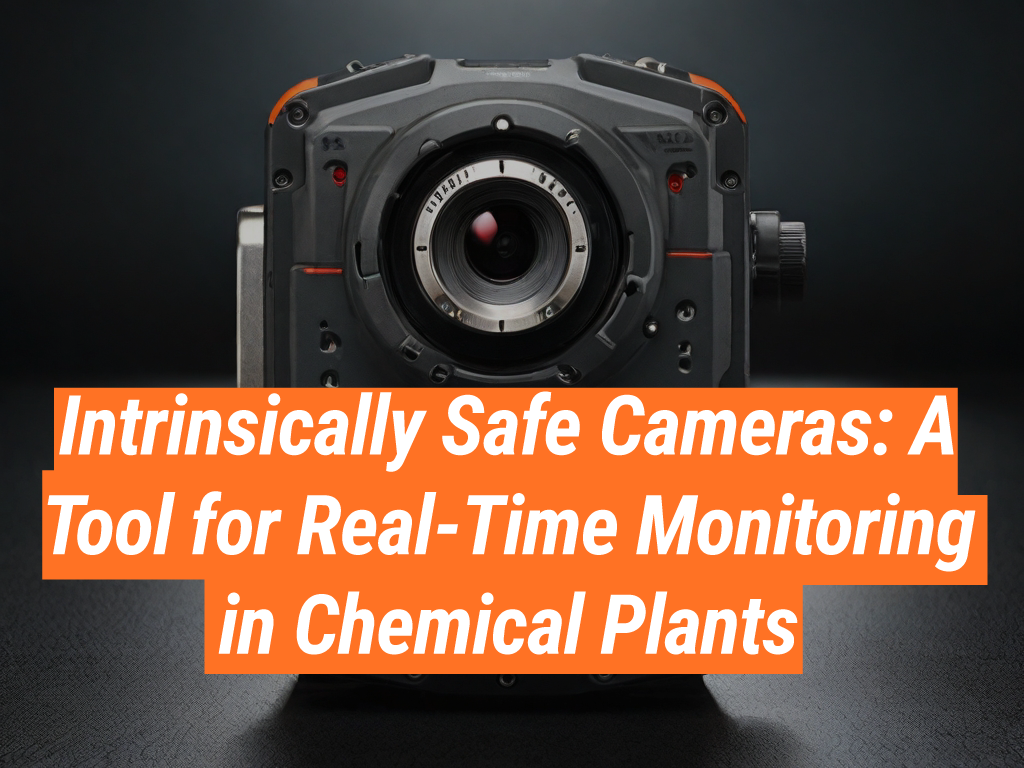
Engineers specially design Intrinsically Safe Cameras as devices that can operate safely in hazardous areas where flammable gases, vapors, or dust are present. They engineer these cameras to prevent any spark or heat that could ignite the surrounding atmosphere. They are a crucial tool in chemical plants, providing real-time monitoring and ensuring safety and efficiency.
The Importance of Real-Time Monitoring in Chemical Plants
Real-time monitoring in chemical plants is essential for several reasons:
- It enhances safety by detecting any irregularities or malfunctions in the system.
- It improves efficiency by providing real-time data, enabling quick decision-making.
- It reduces downtime by identifying potential issues before they escalate.
Benefits of Intrinsically Safe Cameras in Chemical Plants
These cameras offer numerous benefits:
- Safety: They are designed to operate in hazardous environments without causing explosions.
- Efficiency: They provide real-time data, enabling quick and informed decision-making.
- Cost-effective: They reduce downtime and maintenance costs by identifying potential issues early.
Types of Real-Time Monitoring Used in Chemical Plants
Real-time monitoring in a chemical plant typically combines several certified technologies rather than cameras alone:
- Fixed gas detection: Continuously monitors ambient air for the specific flammable or toxic gases relevant to the process, triggering alarms at pre-set concentration thresholds.
- Thermal imaging: Identifies abnormal equipment temperatures — an early indicator of failing bearings, electrical faults, or process upsets — before they become visible or trigger other alarms.
- Intrinsically safe video cameras: Provide visual confirmation of conditions inside a classified area without requiring personnel to enter, supporting both routine monitoring and incident investigation.
These systems are typically integrated into a central control room so operators can correlate visual, thermal, and gas data in one place rather than monitoring each in isolation.
Continuous vs. Point-in-Time Monitoring
Continuous (real-time) monitoring differs from periodic manual inspection in that it can flag a developing issue between scheduled rounds — the interval where many process upsets and equipment failures first become detectable. This does not replace manual inspection and maintenance procedures required under a facility’s process safety management program, but it narrows the window between a fault developing and it being noticed.
Revolutionizing the Chemical Industry with Intrinsically Safe Cameras
Intrinsically Safe Cameras are revolutionizing the chemical industry. They provide real-time monitoring, enhance safety, improve efficiency, and are cost-effective. As demonstrated by the case study, these cameras are a game-changer in the industry.
At the Intrinsically Safe Store, we provide a wide range of intrinsically safe devices, including cameras, for various industries. Visit our website to explore our products and learn more about how they can benefit your business.
If you have any questions or need further information, don’t hesitate to contact us. Our team of experts is always ready to assist you.