


Intrinsically Safe Knowledge Base
Confined Spaces: Guide to Safe Flashlights
When it comes to working in confined spaces, safety is paramount. One crucial tool that significantly contributes to safety is the intrinsically safe flashlight. This article, brought to you by the Intrinsically Safe Store, will delve into the importance of these flashlights and how they support work in confined spaces. Visit our website to explore a wide range of intrinsically safe products.
Understanding Intrinsically Safe Flashlights
Specialists design intrinsically safe flashlights to operate in hazardous environments without causing a spark that could ignite flammable gases, dust, or vapors. The builders construct them to limit the energy, both electrical and thermal, to a level below that required to ignite a specific hazardous atmospheric mixture.
The Importance of Intrinsically Safe Flashlights in Confined Spaces
Enclosed areas often contain hazardous substances that can be ignited by a spark. Using regular flashlights in such environments can lead to disastrous consequences. Here’s why intrinsically safe flashlights are essential:
-
They prevent accidental ignition: Intrinsically safe flashlights are designed to operate without producing sparks, thus reducing the risk of accidental ignition.
-
They provide reliable illumination: These flashlights offer consistent and reliable lighting, which is crucial for visibility in confined spaces.
-
They are durable: Intrinsically safe flashlights are built to withstand harsh conditions, making them ideal for use in confined spaces.
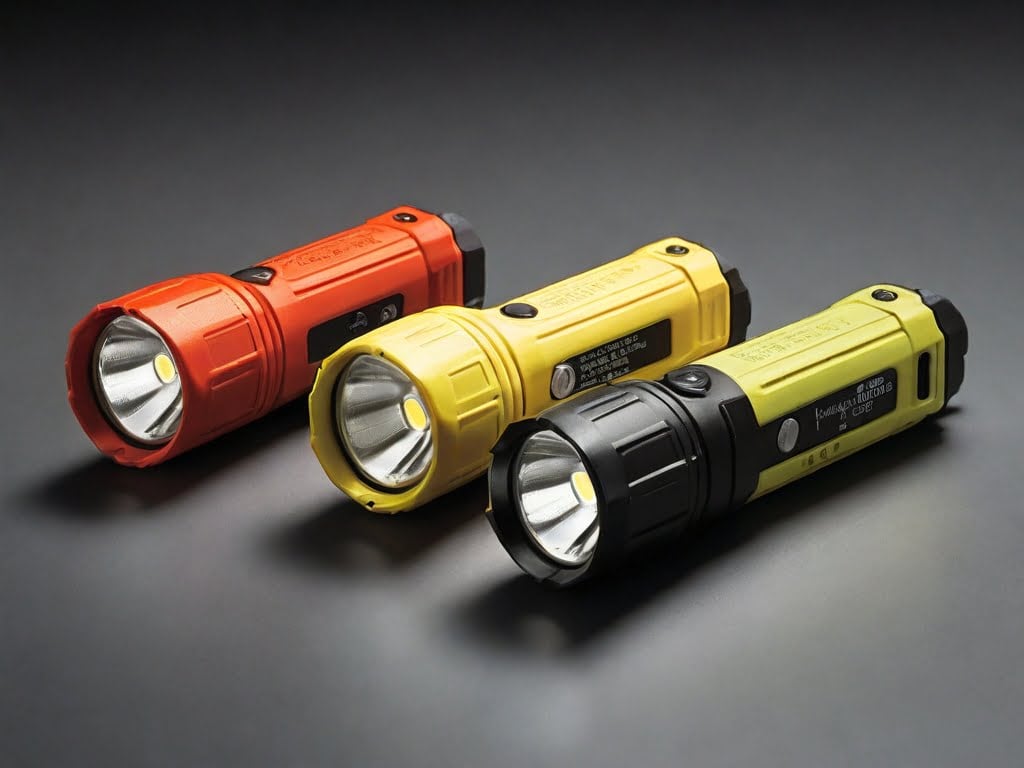
Why Confined Spaces Are High-Risk for Ignition Sources
Confined spaces such as tanks, vessels, and underground vaults pose two compounding risks: flammable atmospheres can accumulate and go undetected in poorly ventilated spaces, and any ignition source introduced into that space — including a non-certified flashlight — has a shorter path to reach a concentrated gas or vapor pocket than it would in open air. This is why permit-required confined space entry procedures (per OSHA 29 CFR 1910.146 in the US) typically call for atmospheric testing and certified equipment as standard practice, not just for entries where a hazard is already suspected.
Key Specifications for Confined-Space Flashlights
-
Zone or Division rating matched to the space: A confined space’s classification can differ from the surrounding area, so the flashlight’s rating should be confirmed against the specific space being entered, not assumed from the general facility rating.
- Battery runtime: Confined space entries often run longer than expected once work begins; a flashlight rated for the full expected duration of entry, with margin, reduces the risk of losing illumination mid-task.
- Beam type: A flood beam supports general visibility while moving through the space, while a focused spot beam helps with close-up inspection tasks — some certified models offer both in one unit.
Choosing the Right Intrinsically Safe Flashlight
When selecting an intrinsically safe flashlight, consider factors such as brightness, battery life, durability, and certification. The Intrinsically Safe Store offers a wide range of certified intrinsically safe flashlights suitable for various industrial applications.
Safety in Confined Spaces: Intrinsically Safe Flashlights
Intrinsically safe flashlights play a crucial role in enhancing safety in confined spaces. They prevent accidental ignition, provide reliable illumination, and are built to last. By choosing the right intrinsically safe flashlight, you can significantly improve safety in your workplace. Visit the Intrinsically Safe Store to explore our range of certified intrinsically safe flashlights. For more information, feel free to contact us.