Understanding NFPA 497 for Hazardous Area Classification (2026)
A detailed 2026 guide to NFPA 497, the recommended practice for the classification of flammable liquids, gases, and hazardous locations for electrical installations.
Your cart is empty.
Knowledge Base
Expert guidance on ATEX, IECEx, and hazardous area equipment for engineers and procurement teams working in explosive environments.

A detailed 2026 guide to NFPA 497, the recommended practice for the classification of flammable liquids, gases, and hazardous locations for electrical installations.

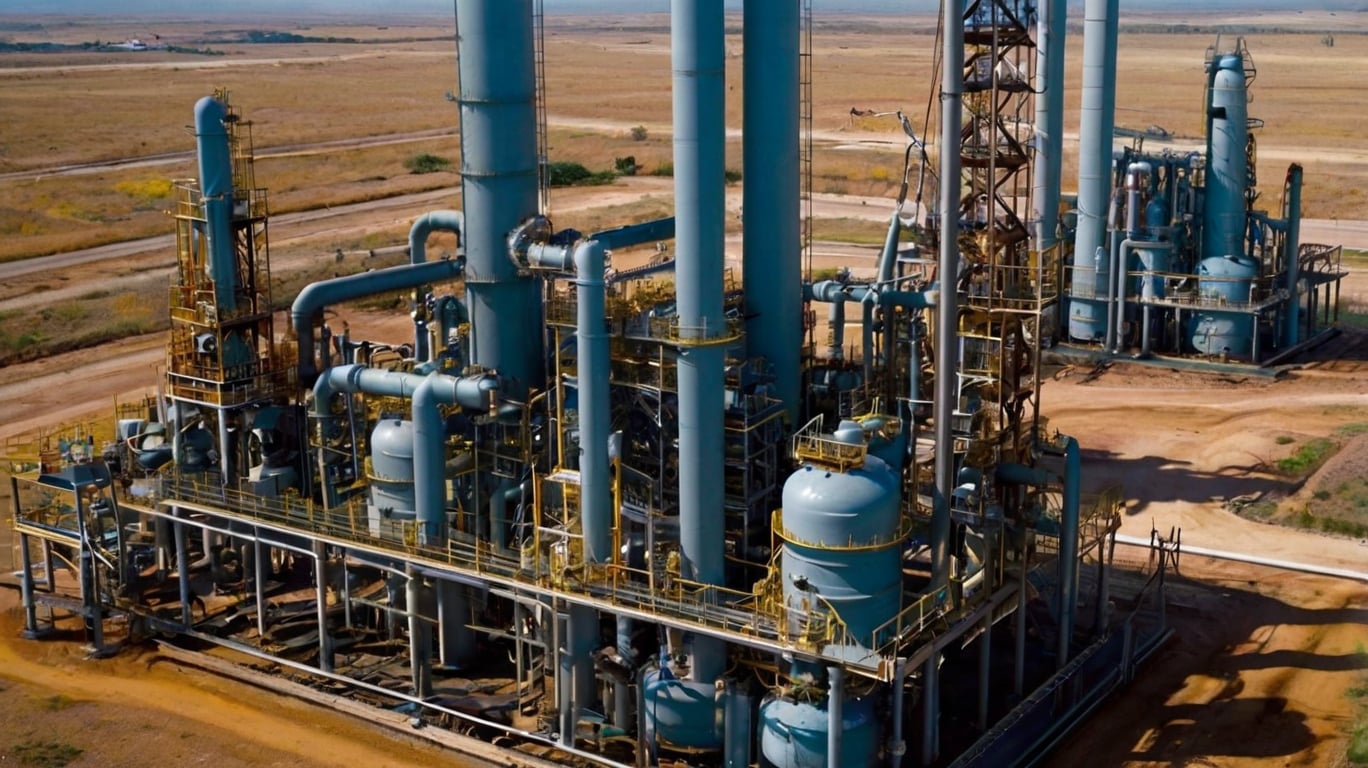
Do you want the industry’s experts to take on the best Intrinsically Safe camera and Explosion Proof on the market? Our Hazardous Area Experts have analyzed the top Intrinsically Safe cameras on the market, drawing on years of field experience and customer feedback to evaluate their real-world performance and value. Tests were performed under exact … Continue reading “Best Intrinsically Safe Camera”

Definition: ATEX Zone 1 and Zone 2 are hazardous area classifications defined by the European Union’s ATEX (ATmosphères EXplosibles) directives to ensure the safe operation of equipment in potentially explosive atmospheres. ATEX Zone 1 Definition: ATEX Zone 1 refers to areas where an explosive atmosphere, consisting of a mixture with air of flammable substances in … Continue reading “ATEX Zones Explained: Zone 1 vs Zone 2 Differences”

Key Takeaways: ATEX certification is a European directive ensuring equipment safety in explosive atmospheres, while IECEx provides a global standard for similar safety assessments. The ATEX and IECEx certification process follows a similar two-part structure: a product conformity assessment against technical standards (an ATEX EU Type Examination Certificate or an IECEx Test Report/Certificate of Conformity), … Continue reading “ATEX vs IECEx: The Difference Explained (2026) | ISS”

Key Takeaways Ensures Operational Safety and Reliability: MIL-STD-461 sets stringent standards for electromagnetic interference (EMI) control, ensuring equipment functionality and safety in high-stakes environments. Compliance Across Industries: While not a replacement for mandatory hazardous area certifications like ATEX, the EMC performance it defines is an important consideration for sensitive electronics in industrial settings to ensure … Continue reading “MIL-STD-461 Standards: 2026 Engineer’s Guide | ISS”

Deciding between rechargeable vs. disposable batteries for an intrinsically safe flashlight? Our 2026 guide covers cost, performance, and UL 913 compliance.

Learn the official NEC definition of a Class II, Division 1 hazardous location, covering combustible dust hazards in industries like grain handling and food processing.

Understand ATEX Equipment Protection Levels (EPL) like Ga, Gb, Gc, Da, Db, and Dc to ensure safety and compliance in hazardous areas. Learn how EPL relates to Zones.

When working in hazardous environments such as oil refineries, chemical plants, or mining operations, safety is non-negotiable. A major part of that safety is ensuring that equipment used in explosive atmospheres is certified to prevent ignition risks. Two globally recognized certifications exist for this purpose: ATEX and IECEx. In this comprehensive guide, we’ll break down … Continue reading “ATEX vs IECEx: How to Choose the Right Certification”

When working in hazardous locations, having a reliable ATEX portable gas detector can be the difference between safe operation and catastrophic risk. These devices are engineered to detect dangerous gases before they reach life-threatening levels—and more importantly, they are certified to prevent ignition in explosive atmospheres. Whether you work in oil & gas, chemical processing, … Continue reading “ATEX Portable Gas Detectors | 2026 Buyer’s Guide | ISS”

An Essential Tool for Safety and Efficiency: The ATEX Camera In environments where the risk of explosion is a daily reality, standard electronic devices are a liability. An ATEX camera is a specially engineered imaging tool designed and certified for safe use in hazardous areas containing flammable gases, mists, vapors, or combustible dusts. Unlike a … Continue reading “ATEX Rated Cameras: Zone 1/2 Certified Guide | ISS”

When it comes to safety in hazardous environments, every detail matters. This includes the type of flashlight used. At Intrinsically Safe Store, we understand the importance of providing reliable, certified intrinsically safe flashlights. But what does it mean when we say a flashlight is intrinsically safe, and what does the certification process involve? Let’s delve … Continue reading “Mastering the Certification Process for Intrinsically Safe Flashlights”