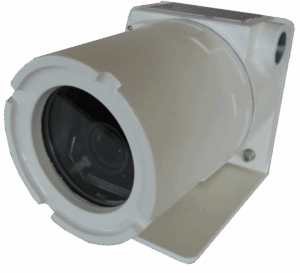
Atex Zone 1 Camera
IVC AMZ-3041-2 Explosion-Proof Fixed CCTV Camera
Zone 1
$2,928.00In Stock


Your Global Authority In Hazardous Areas
Your cart is empty.
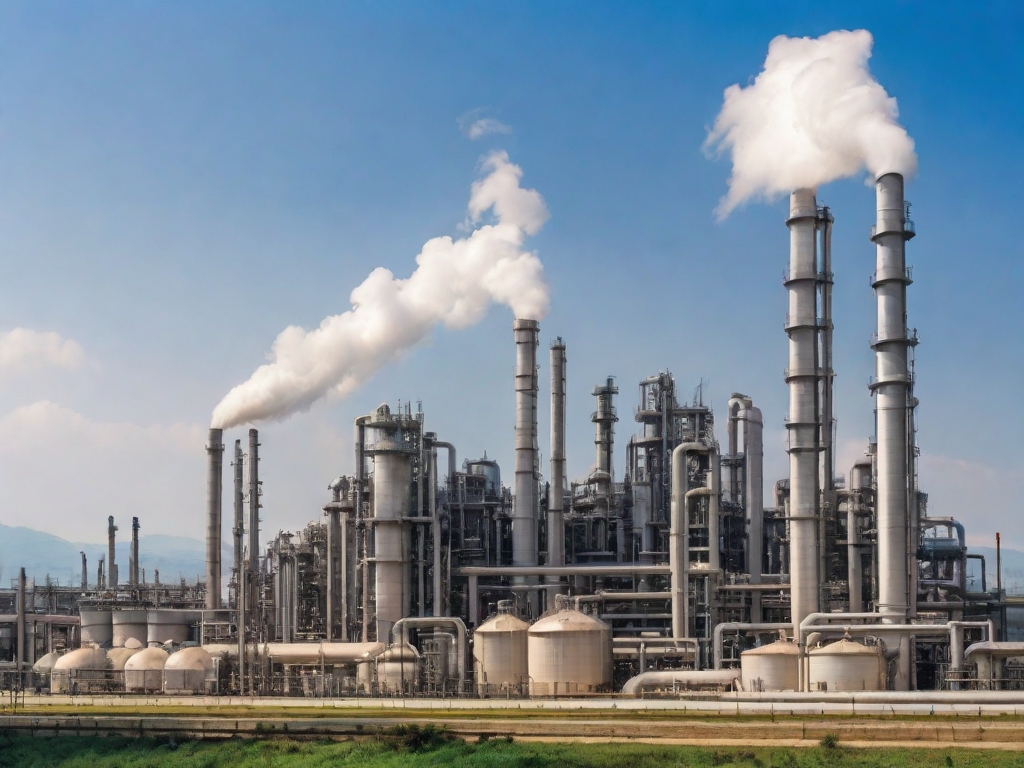
ATEX Zone 1 cameras are crucial for industries like chemical, pharmaceutical, or oil and gas, where explosive atmospheres are likely. These cameras are engineered to withstand tough conditions, ensuring safety and compliance. They are designed with explosion-proof casings to contain any internal spark, preventing external explosions. Additionally, these cameras often feature advanced technology like infrared and thermal imaging for low-visibility monitoring. Remote access capabilities allow safe distance monitoring, reducing risk to human lives. Understanding the specific needs of your environment and tasks ensures you select a camera that meets safety, functionality, and compliance requirements.
ATEX Zone 1 is an area where explosive atmospheres are likely during normal operations. Equipment used in these zones must prevent ignition. Certification ensures the camera has undergone rigorous testing. The material and build quality should include durable materials like stainless steel. Temperature classification is crucial to prevent ignition from surface temperatures. Protection features like explosion-proof enclosures and high ingress protection (IP) ratings are vital. Optical clarity and functionality, such as high-resolution imaging and good low-light performance, are important. Understanding these requirements helps ensure safety and functionality in hazardous environments.
Using ATEX Zone 1 cameras in hazardous environments offers significant benefits, making them essential for both safety and operational efficiency.
Using ATEX Zone 1 cameras enhances operational efficiency and safety management in hazardous areas.
When choosing an ATEX Zone 1 camera, consider several important features. These features ensure compliance, safety, and functionality in hazardous environments.
Ensure adherence to ATEX standards, confirming the camera can operate safely in explosive atmospheres. This certification also assures that the camera’s design and production meet strict European Union directives for equipment used in hazardous locations.
The cameras should be built with durable materials like stainless steel or durable polymers to withstand corrosive substances and physical impacts. This robust construction ensures the camera’s longevity and consistent functionality in harsh environments.
A high IP rating, typically IP66 or higher, is critical as it indicates the camera’s ability to resist dust and withstand powerful water jets. This is essential for maintaining operational integrity under various environmental conditions.
High-quality visual output is crucial, even in challenging environments. Cameras with advanced imaging technologies, such as high resolution and superb low-light performance, are essential. Thermal imaging is particularly valuable for spotting overheating components or leakages that are otherwise invisible.
An essential feature for any Zone 1 camera is its explosion-proof housing. This housing is designed to contain any sparks or flames that could potentially trigger an explosion, adhering to stringent testing standards to ensure complete containment in case of internal sparks or equipment malfunctions.
Cameras that are easy to install and require minimal maintenance are preferred. Modular designs or remote maintenance capabilities significantly simplify these processes and enhance safety by reducing the need for physical interaction.
The Zone 1 camera should seamlessly integrate with existing surveillance and monitoring systems. Cameras that support standard communication protocols add value without necessitating significant modifications to the current setup.
 For ATEX Zone 1 cameras, prioritizing maintenance and reliability is key. Regular maintenance includes routine checks on lens cleanliness, housing integrity, and software updates. Manufacturer support is crucial, providing access to technical help and spare parts. Choosing cameras with durable designs, such as rugged housings and high IP ratings, ensures they can withstand harsh conditions. Regular maintenance and selecting reliable equipment ensure safe and continuous operation in hazardous environments, reducing the risk of costly downtime. Investing in quality and durability pays off in maintaining the safety and reliability of hazardous area equipment.
An ATEX Zone 1 camera is a specialized device designed for safe operation in Zone 1 hazardous areas where explosive atmospheres, in the form of gases, vapors, or mists, are likely to occur under normal operating conditions. These cameras are intrinsically safe, meaning they have built-in features to prevent the ignition of surrounding explosive environments, making them essential for safety in high-risk areas.
Determining the need for an ATEX Zone 1 camera involves assessing the hazardous area classification of your workplace. Zones are defined based on the frequency and duration of the presence of explosive atmospheres. Zone 1 areas are those in which an explosive atmosphere is likely to occur during regular operations. If your evaluation places your operations in Zone 1, then using an ATEZ Zone 1 certified camera is crucial for compliance and safety.
When selecting an ATEX Zone 1 camera, key features to consider include:
The main difference lies in the certification and design suited for different levels of hazardous environments. Zone 1 cameras are designed for areas where explosive atmospheres are likely to occur during normal operation, thus requiring higher safety features. Zone 2 cameras, on the other hand, are meant for areas where explosive atmospheres are not likely to occur in normal operation and if they do, will exist only for a short period—these require less stringent protective measures compared to Zone 1 cameras.
No, ATEX Zone 1 cameras are not suitable for Zone 0 environments. Zone 0 environments have an atmosphere where explosive gases, vapors, or mists are continuously present or present for long periods. Cameras used in Zone 0 must meet more stringent safety requirements specific to that zone. For Zone 0 environments, specialized cameras certified explicitly for Zone 0 use are necessary to ensure safety and compliance.