ZONEEX II 3G; Ex ec ic IIC T4 Gc | EX II 3D; Ex tc IIIB T85°C Dc
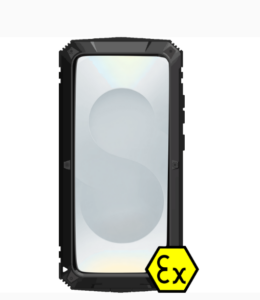
Intrinsically Safe Cell Phones
ATEX Zone 2/22 Samsung Galaxy S26
$3,330.00In Stock


Your Global Authority In Hazardous Areas
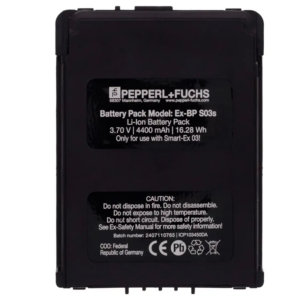
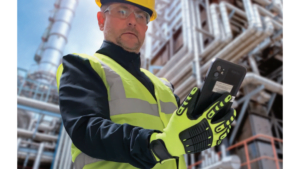
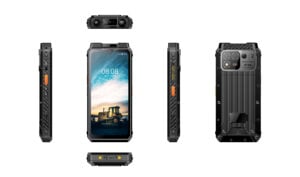
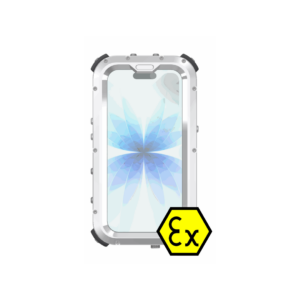
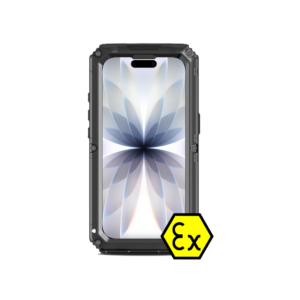
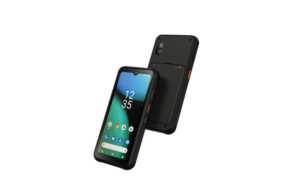
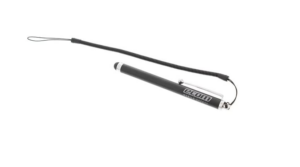
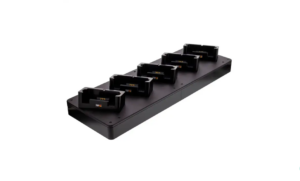
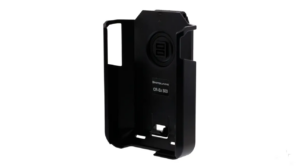

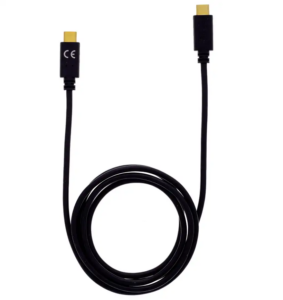
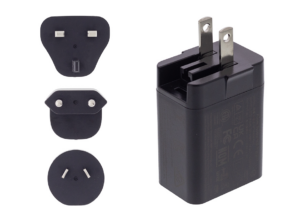
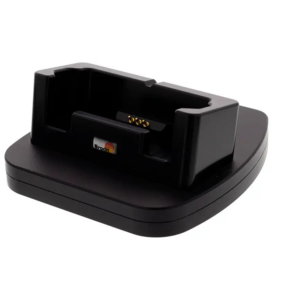
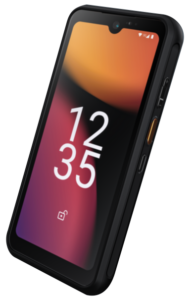
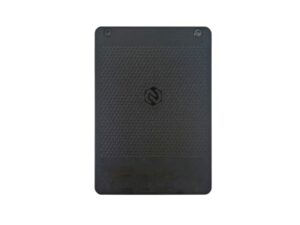
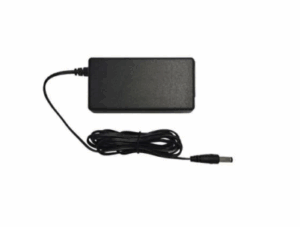
In industries where flammable gases, vapors, or combustible dusts create a risk of explosion, standard electronics are forbidden. Intrinsically Safe Cell Phones are engineered specifically for these volatile conditions, providing essential communication capabilities without compromising safety. Unlike consumer-grade devices, these phones are designed from the ground up to prevent the release of sufficient electrical or thermal energy to ignite a hazardous atmosphere. This makes them a critical tool for enhancing connectivity, data capture, and worker safety in oil and gas, chemical processing, mining, and pharmaceutical manufacturing.
A regular smartphone is a potent ignition source. Its internal circuitry, battery, and even the static electricity generated on its screen can produce sparks or heat capable of causing a catastrophic explosion. Using a standard phone, even in a protective case, in a classified hazardous location violates safety regulations and puts lives at risk. Intrinsically safe phones mitigate this danger through specialized design features:
To ensure a device is safe for a specific hazardous environment, it must carry the appropriate certification. These ratings define the type of hazardous material and the level of risk the device is approved for. When selecting a phone, matching its certification to your work area is paramount.
Always verify the device’s certifications match the requirements of your facility’s designated hazardous zones before purchase and deployment.
Beyond safety certifications, these phones are built for the rigors of industrial work. Look for features that support your team’s workflow, such as Push-to-Talk (PTT) functionality for instant group communication, rugged designs with IP ratings for water and dust resistance (e.g., IP68), long-life batteries, glove-compatible touchscreens, and modern operating systems (like Android) to support essential work applications.
An intrinsically safe cell phone is designed to be incapable of causing an explosion. This is achieved through low-power circuitry, current and voltage limiting components, and encapsulation of any parts that could potentially spark. Every aspect of the phone, including its battery and internal wiring, is engineered to operate below the energy levels required to ignite flammable gases, dust, or fibers in a hazardous environment.
No. A rugged case provides physical protection against drops, dust, and water, but it does not alter the phone’s internal electronics. A standard smartphone still produces enough electrical and thermal energy to be an ignition source. Using a non-certified device in a classified hazardous location is a serious safety violation.
ATEX is the certification standard required for equipment used in potentially explosive atmospheres in the European Union. IECEx is an international standard recognized worldwide. Both systems classify equipment based on the level of safety and the specific hazardous zones (e.g., gas, dust) where it can be safely operated. These certifications provide independent verification that the device meets stringent safety requirements.
Yes, the vast majority of intrinsically safe cell phones are also designed to be rugged. They typically feature high Ingress Protection (IP) ratings, such as IP67 or IP68, making them resistant to dust and water immersion. They are also often built to meet military standards (MIL-STD) for shock, drop, and vibration resistance, ensuring they can withstand harsh industrial conditions.
Yes, intrinsically safe phones function just like standard smartphones in terms of connectivity. They operate on global 4G LTE and 5G networks and support Wi-Fi and Bluetooth. This allows for seamless communication, data transfer, and use of applications without compromising their core safety function.
Your cart is empty.