
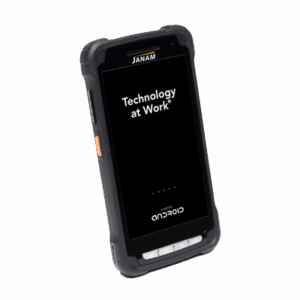
Class 1 Division 2 Mobile Device
XT4 Rugged Mobile Computer
$2,154.60Available

Your Global Authority In Hazardous Areas
Your cart is empty.
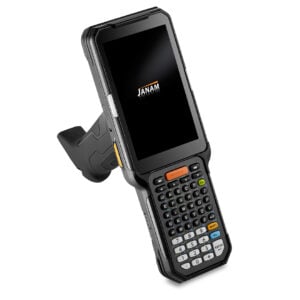
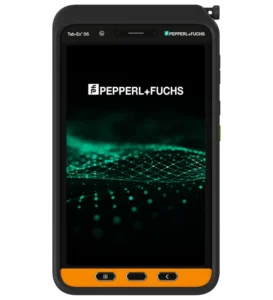
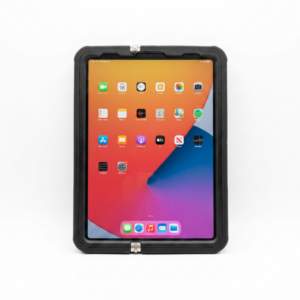
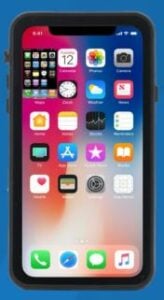
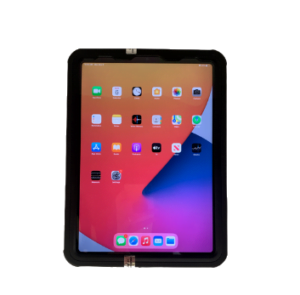
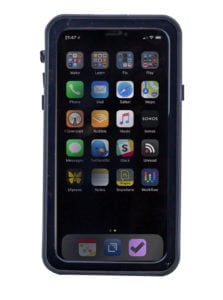
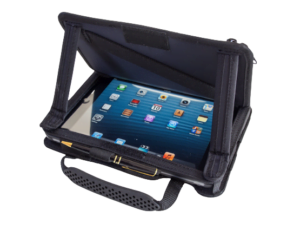
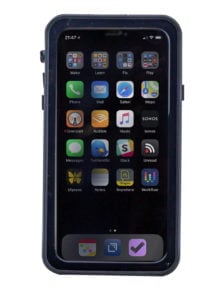
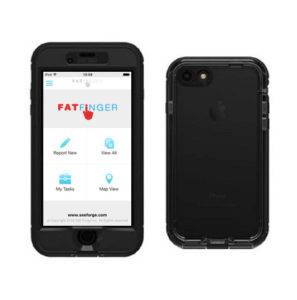
The core safety standards for Class 1 Division 2 environments provide a stable framework, but the technology embedded within these certified mobile devices is advancing at a rapid pace. The market has shifted dramatically from single-function devices to powerful, multi-purpose smartphones and tablets. This evolution empowers teams in hazardous locations with capabilities that were once restricted to the office, enhancing productivity and safety simultaneously.
Key technological advancements driving this change include:
Choosing the right Class 1 Division 2 mobile device requires evaluating its features against the specific demands of your operational environment. While all devices in this category meet the necessary safety certifications, their functionality, form factor, and performance can vary significantly.
The first consideration is the form factor. C1D2 smartphones are designed for maximum portability and communication, making them ideal for mobile workers who need to stay connected on the move. They excel at voice calls, PTT communication, and quick data entry. In contrast, C1D2 tablets offer a larger screen real estate, which is invaluable for viewing technical drawings, interacting with complex software interfaces, and completing detailed digital forms. They are often preferred by supervisors, maintenance planners, and engineers who require a more robust data interface in the field.
You can purchase certified Class 1 Division 2 communication devices from specialized suppliers like the Intrinsically Safe Store. It is critical to buy from an authorized distributor to ensure the devices carry the correct and valid certifications for your region (e.g., UL, CSA, ATEX) and that you receive proper support for these mission-critical assets.
The “Class 1” designation is part of the North American system for classifying hazardous locations. It specifically refers to environments where flammable gases, flammable liquid-produced vapors, or combustible liquid-produced vapors are present or may be present in the air in quantities sufficient to produce explosive or ignitable mixtures.
Yes, absolutely. Modern Class 1 Division 2 smartphones and tablets are ideal platforms for Push-to-Talk over Cellular (PoC) applications like Zello. They combine the instant communication of a traditional two-way radio with the advanced functionality of a smartphone, allowing for group calls, messaging, location tracking, and data sharing on a single, certified device.
The primary difference lies in the probability of a hazardous atmosphere being present. A Division 1 location is one where ignitable concentrations of hazards exist under normal operating conditions. A Division 2 location is one where such hazards are present only under abnormal operating conditions, such as an accidental rupture or equipment failure. C1D2 devices are suitable for these less consistently hazardous environments.
Yes, C1D2 mobile devices are almost universally ruggedized to withstand the harsh conditions of industrial environments. In addition to their intrinsic safety certification, they typically feature high Ingress Protection (IP) ratings, such as IP68 for dust and water resistance, and are tested to military standards like MIL-STD-810G/H for tolerance to drops, shock, vibration, and extreme temperatures.