

Intrinsically Safe Knowledge Base
Best Practices: Data Storage with Intrinsically Safe Cameras
Introduction
In hazardous industrial environments, capturing high-quality visual data is essential for safety, maintenance, and operational oversight. However, the data generated by intrinsically safe cameras requires a specialized approach to storage and handling. Simply collecting images and videos is not enough; a robust data management strategy is critical to ensure asset integrity, personnel safety, and regulatory compliance. This guide outlines the best practices for managing data from these specialized devices, from secure storage solutions to access control protocols.
Understanding Intrinsically Safe Cameras
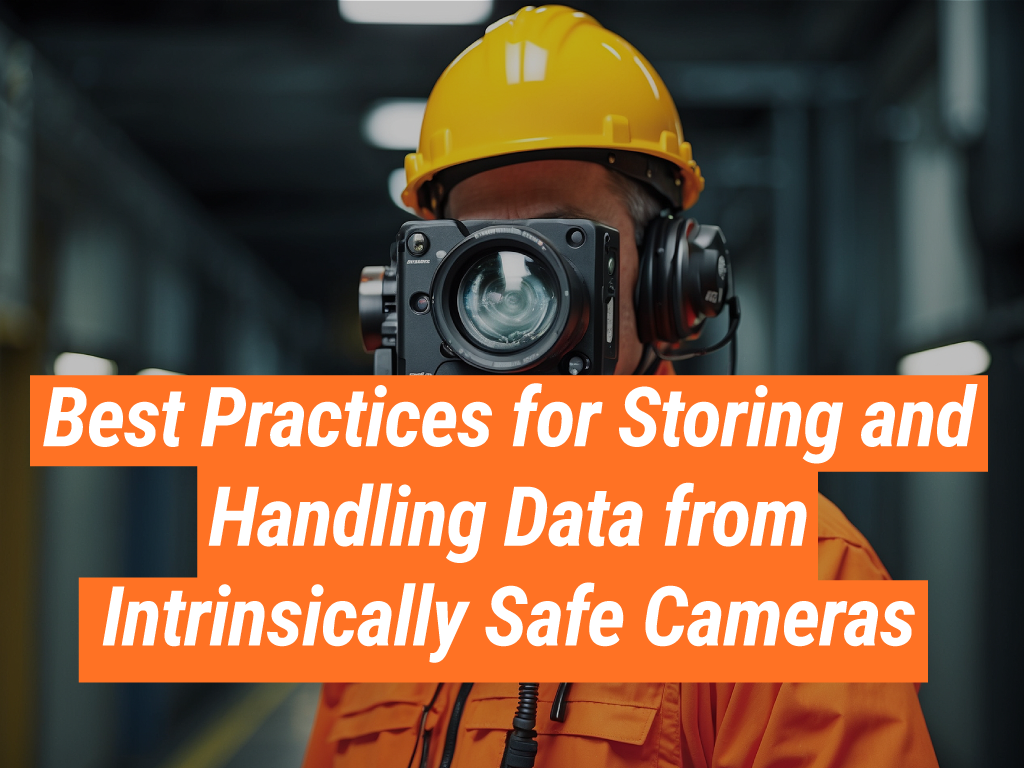
Intrinsically safe cameras are designed to operate safely in hazardous areas where flammable gases, dust, or fibers may be present. These cameras are engineered to limit the electrical and thermal energy to a level below what is required to ignite a specific hazardous atmospheric mixture, in accordance with standards like ATEX, IEC 60079, and the NEC.
Importance of Proper Data Storage and Handling
Proper data storage and handling are crucial for several reasons. Firstly, it ensures the integrity and security of the data captured by the cameras. Secondly, it facilitates easy retrieval and analysis of the data when needed. Lastly, it helps in compliance with data protection regulations.
Key Features & Benefits of Proper Data Management
A systematic approach to handling data from intrinsically safe cameras offers more than just security. It unlocks significant operational advantages:
- Enhanced Safety Compliance: Securely stored, time-stamped visual data serves as a verifiable record for compliance audits and critical evidence for incident investigations.
- Improved Predictive Maintenance: Analyzing visual data over time helps identify early signs of equipment wear and tear, allowing for proactive maintenance before failures occur in critical areas.
- Streamlined Workflows: Centralized and easily accessible data allows teams to quickly retrieve inspection footage, share findings, and collaborate on solutions without delays.
- Data-Driven Decision Making: High-integrity data provides valuable insights into operational efficiency, helping managers optimize processes and allocate resources more effectively.
Best Practices for Storing and Handling Data
1. Secure Data Storage
Ensure that the data storage solution you choose is secure and reliable. This could be on-site servers, cloud-based storage, or a hybrid solution. The storage solution should have robust security measures in place to protect against data breaches and loss.
2. Regular Backups
Regularly backing up data is a crucial practice. This ensures that even in the event of a system failure or data loss, you can quickly restore your data.
3. Data Encryption
Data encryption is a must for sensitive data. It ensures that even if the data falls into the wrong hands, it cannot be read without the decryption key.
4. Access Control
Implement strict access control measures. Only authorized personnel should have access to the data. This helps prevent unauthorized access and potential data breaches.
5. Regular Audits
Regular audits help identify any potential security vulnerabilities and ensure that all data handling practices are up to standard.
The Role of Intrinsically Safe Store
Intrinsically Safe Store is a leading provider of intrinsically safe equipment, including cameras. We can assist you in choosing the right camera for your needs and guide you in implementing the best practices for storing from these cameras.
Frequently Asked Questions (FAQs)
What type of storage is best for data from hazardous areas?
The best solution depends on factors like data volume, accessibility needs, and security requirements. Cloud-based storage offers scalability and remote access, while on-site servers provide greater control. A hybrid approach often delivers the best of both worlds, combining secure on-premise storage for critical data with cloud backups for disaster recovery.
Are there specific regulations governing data from intrinsically safe cameras?
While no universal regulations exist specifically for this type of data, general data protection laws like GDPR and data security frameworks (e.g., ISO/IEC 27001) apply. Crucially, the data’s integrity is vital for compliance with hazardous area regulations like ATEX, IECEx, and NEC, as it serves as evidence for safety records, incident reporting, and operational audits.
How often should data be backed up?
Backup frequency should be determined by how critical the data is. For high-stakes monitoring in volatile environments, daily or even real-time backups are recommended. For routine inspection data, weekly backups may suffice. The key is to have a documented backup and recovery plan.
Need help implementing a secure data strategy?
Our experts can help you select the right intrinsically safe cameras and data management solutions for your hazardous area operations.
Reviewed by: The Intrinsically Safe Store engineering team, with extensive experience in hazardous area classifications and equipment certification (including ATEX, IECEx, and North American standards).

Proper storage and handling of data from intrinsically safe cameras are crucial for maintaining data integrity, facilitating easy data retrieval, and ensuring compliance with data protection regulations. By implementing secure data storage, regular backups, data encryption, access control, and regular audits, you can ensure the safety and security of your data. Intrinsically Safe Store can assist you in this process, providing you with the right equipment and guidance.
To explore our full range of certified devices, browse our intrinsically safe cameras or talk to a hazardous area specialist to discuss your specific data management needs.
Safety Disclaimer
The information provided in this article is for general guidance only. The design and implementation of any data management system for hazardous areas must comply with local, national, and international regulations. Always consult with a qualified engineer or certified hazardous area specialist to ensure your systems meet the specific requirements of your facility and application.