Intrinsically Safe Products
Cenegex DCx13-3 vs Larson Electronics Camera: 2026 Comparison
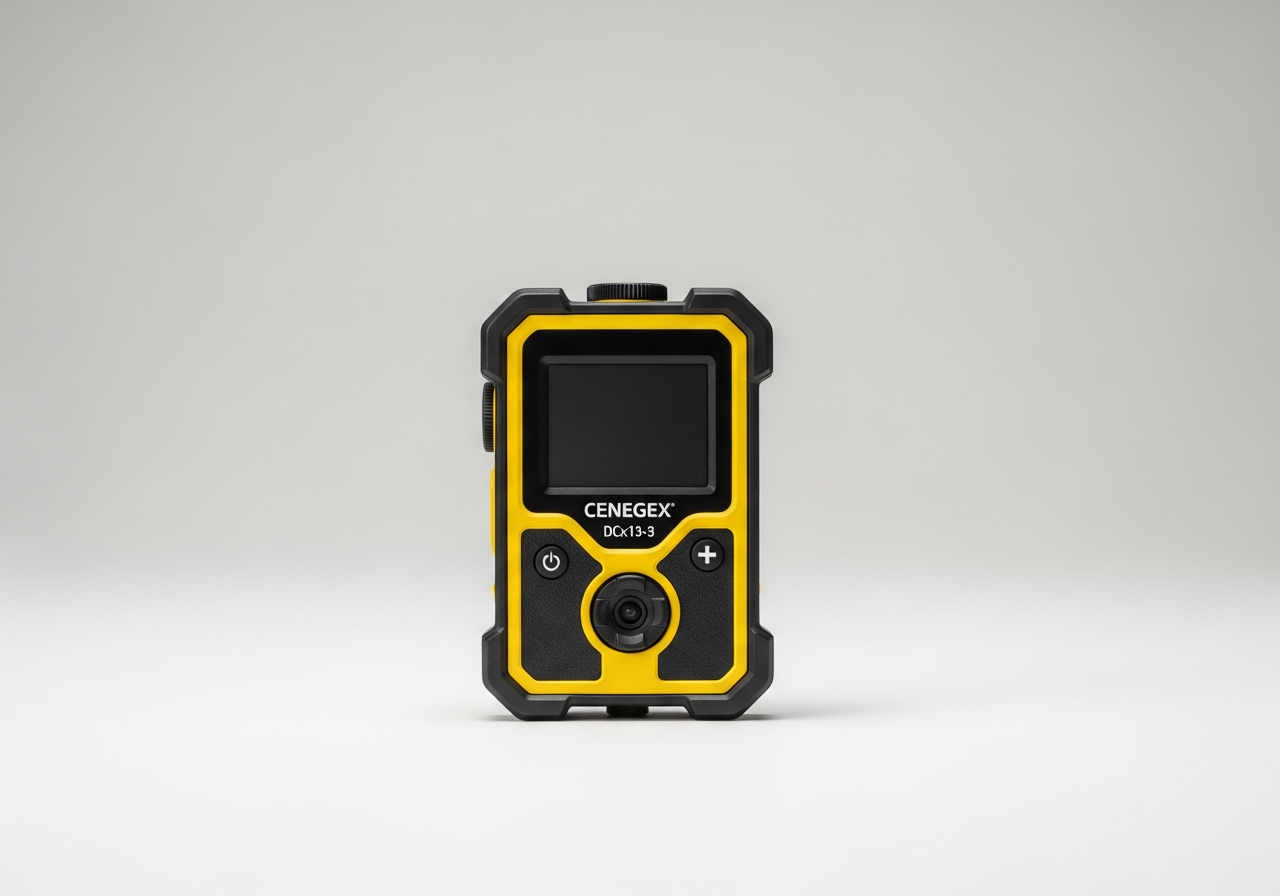
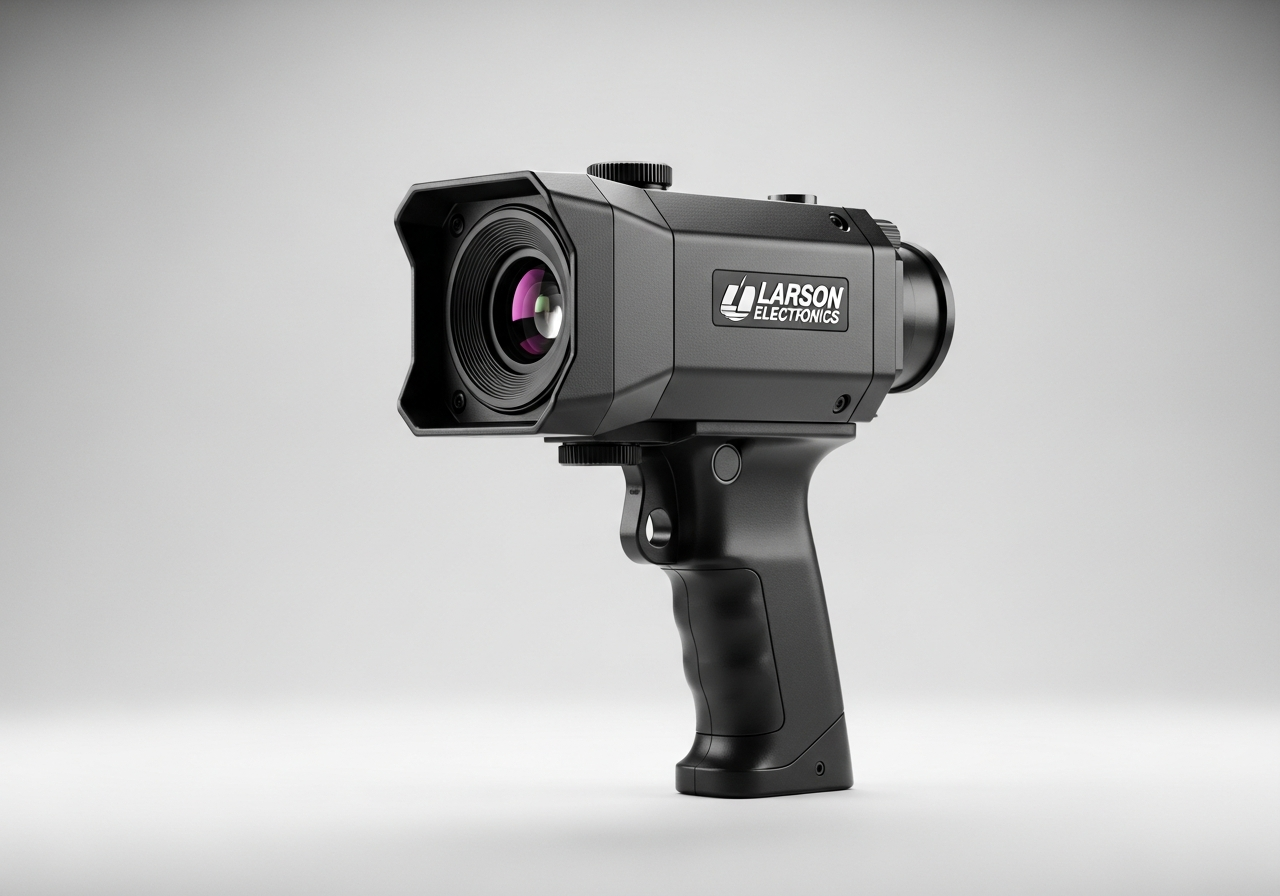
Intrinsically safe cameras exist for one reason: to let workers document conditions inside a hazardous area without becoming an ignition source themselves. Two models in this category sit at opposite ends of the risk spectrum. The Cenegex DCx13-3 is a 13-megapixel documentation camera certified for ATEX Zone 2/22, built for the anomalous, occasional-exposure areas that make up most industrial sites. The Larson Electronics ATX-EXPCMR-BP-HH-QXGA is certified for Class I Division 1 and 2 and ATEX/IECEx Zone 0 and 1, the classification reserved for areas where flammable gas is present continuously or under normal operating conditions. Picking between them isn’t really a matter of preference — it’s a matter of which zone your equipment has to legally enter.
New to this category?
Read our Intrinsically Safe Digital Cameras: The Ultimate Buying Guide before you compare specific models.
Why Zone Classification, Not Camera Quality, Should Drive Your Decision
IEC 60079-14, the international standard governing the design, selection, and installation of electrical equipment in hazardous areas, requires that any device deployed in a classified zone carry certification matching or exceeding that zone’s risk level — equipment rated for a lower-risk zone cannot legally substitute for a higher-risk one, regardless of price or specs. The Cenegex DCx13-3 carries ATEX II 3G Ex nR IIC T6 Gc and II 3D Ex tc IIIC T85°C Dc markings, placing it in Equipment Protection Level Gc — suitable for Zone 2/22, where an explosive atmosphere is unlikely and, if it occurs, will persist only briefly. The Larson Electronics ATX-EXPCMR-BP-HH-QXGA is certified under ATEX/IECEx to Zone 0 and Zone 1, in addition to Class I Division 1 and 2 (Groups A-D) under the NEC/CEC system used across North America — the certification tier IEC 60079-14 requires for areas where explosive gas is present continuously, for long periods, or frequently under normal operation. That single distinction, not resolution or build quality, is what should eliminate one of these two cameras from consideration for any given site.
Core Specifications: Cenegex DCx13-3 vs. Larson Electronics ATX-EXPCMR-BP-HH-QXGA
- Certification: Cenegex DCx13-3 — ATEX II 3G Ex nR IIC T6 Gc (Zone 2) / II 3D Ex tc IIIC T85°C Dc (Zone 22). Larson ATX-EXPCMR-BP-HH-QXGA — Class I Division 1 & 2, Groups A-D, plus Certified for ATEX/IECEx Zone 0 and Zone 1.
- Resolution and imaging: Cenegex DCx13-3 — 13MP stills, HD 1080p/720p video, motorized autofocus, LED flash. Larson ATX-EXPCMR-BP-HH-QXGA — 3.1MP (2048×1536), autofocus, 2-element optical viewfinder.
- Ingress protection: Cenegex DCx13-3 — IP54. Larson ATX-EXPCMR-BP-HH-QXGA — IP65.
- Price: Cenegex DCx13-3 — $1,965.60 USD. Larson ATX-EXPCMR-BP-HH-QXGA — $9,024.91 USD.
Which One Actually Fits Your Site
The resolution gap between these two cameras runs opposite to what most buyers expect — the far more expensive Larson unit has the lower-resolution sensor, because its engineering budget went into certification breadth and sealing rather than image quality. That trade-off plays out differently depending on where the camera is going to work:
- With its Zone 2/22 certification, the Cenegex DCx13-3 is designed for environments where explosive atmospheres are present only under abnormal conditions. Its 13MP sensor is well-suited for high-resolution documentation for compliance, incident reports, or asset logs.
- The Larson ATX-EXPCMR-BP-HH-QXGA holds certifications for Zone 0, Zone 1, and Class I Division 1, which are the required ratings for areas where flammable gas is continuously or routinely present, such as tank interiors or open process lines. In that environment the Cenegex simply isn’t a legal option.
- For sites with mixed-zone classifications, compliance requires that the equipment certification for any given area must match or exceed that area’s risk level. While a higher-rated device is permissible in a lower-risk zone, a lower-rated device cannot be used in a higher-risk zone.
- If you’re unsure which zone applies to your facility, don’t guess from a data sheet — a documented area classification from your HSE team should come before any purchase decision.
Recommended Products for Intrinsically Safe Cameras: Cenegex DCx13-3 vs. Larson ATX-EXPCMR-BP-HH-QXGA
The following products from our catalog are certified for use in hazardous areas and directly relevant to this guide:
| Product Category | Rating / Certification | Link |
|---|---|---|
| Intrinsically Safe Digital Camera | ATEX II 3G Ex nR IIC T6 Gc (Zone 2/22) | Shop Now |
| Intrinsically Safe Digital Camera | Class I Div. 1&2 · ATEX/IECEx Zone 0 & 1 | Shop Now |
Shop Certified Intrinsically Safe Cameras
Browse the full Intrinsically Safe Digital Camera category for more Zone 0 through Zone 2 options.
FAQs
What’s the difference between an ATEX Zone 2 camera and a Class I Div 1 / Zone 0 & 1 camera?
Zone 2/22, covered by the Cenegex DCx13-3, applies where an explosive atmosphere is unlikely, or present only briefly. Class I Division 1&2 plus ATEX/IECEx Zone 0 & 1, covered by the Larson ATX-EXPCMR-BP-HH-QXGA, applies where explosive gas can be present continuously or under normal operating conditions — the highest-risk category, which is why the certification (and price) gap between the two is so large.
Why is the Larson ATX-EXPCMR-BP-HH-QXGA nearly five times the price of the Cenegex DCx13-3?
The premium tracks certification breadth and sealing, not image quality. The Larson unit ($9,024.91) covers Class I Division 1&2 and Zone 0 & 1 with an IP65 rating, versus the DCx13-3’s Zone 2/22 coverage and IP54 rating ($1,965.60). The cheaper camera actually has the higher-resolution sensor — 13MP versus 3.1MP — so buyers are paying for hazard-zone coverage, not megapixels.
What IP rating do I need for a hazardous-area documentation camera?
IP54, as on the Cenegex DCx13-3, means dust-protected and splash-resistant, which suits many indoor industrial settings. IP65, as on the Larson ATX-EXPCMR-BP-HH-QXGA, is dust-tight and protected against low-pressure water jets from any direction — a meaningfully higher sealing standard better suited to outdoor or wash-down environments.
Is 13MP enough for hazardous-area documentation, or do I need more?
13MP, as on the Cenegex DCx13-3, is generally sufficient for compliance photos and incident or asset documentation. The Larson unit offers only 3.1MP — lower resolution is a common trade-off in cameras engineered for the most demanding Zone 0 and Class I Division 1 certifications, where sealing and intrinsic safety design take priority over sensor size.
What’s the practical difference between Division 2/Zone 2 and Division 1/Zone 0 for camera selection?
Division 1/Zone 0 environments have explosive gas present continuously or under normal conditions, requiring the broader certification the Larson camera carries. Division 2/Zone 2, covered by the DCx13-3, applies where explosive atmospheres are abnormal or brief. Always confirm your site’s documented area classification before choosing between the two.
Chat for a QuoteCall: 832-699-6726
Conclusion
The Cenegex DCx13-3 and the Larson Electronics ATX-EXPCMR-BP-HH-QXGA solve the same basic problem — safe photo documentation in a classified area — for two different risk levels. The DCx13-3 is the sharper, more affordable option for Zone 2/22 sites where explosive atmospheres are the exception, not the rule. The Larson camera exists for the sites where that atmosphere is a constant, and its Class I Division 1&2 and Zone 0 & 1 certification isn’t optional in those areas — it’s the only way to legally bring a camera in at all. Start with your facility’s documented zone classification, not the spec sheet, and the right camera becomes obvious.