Intrinsically Safe Knowledge Base
What is a Class 2 Division 1 Hazardous Location? NEC Explained
The National Electrical Code (NEC) provides the official class II division 1 hazardous location definition to classify areas where combustible dust is present in sufficient quantities to cause an explosion or fire. Unlike Class I locations, which deal with flammable gases or vapors, Class II focuses specifically on the dangers posed by finely divided solid particles. In sectors like agriculture, food processing, and manufacturing, understanding this classification is a critical component of industrial safety, not just a regulatory formality. A misinterpretation of these standards can lead to catastrophic equipment failure, ignition events, and severe risk to personnel. This article covers the specific criteria for a Class II, Division 1 area, the types of dust involved, and the equipment requirements necessary for a safe operation.

Expand Your NEC Classification Knowledge
While this guide focuses on Class II dust hazards, understanding other classifications is vital for total site safety. Our detailed article on Class I wiring provides essential context for gaseous environments.
Breaking Down the Official Class II Division 1 Hazardous Location Definition
The core criteria for this classification are detailed in the National Electrical Code, specifically within NFPA 70 Article 502. According to the NEC, a Class II, Division 1 location is an area where combustible dust is present in the air under normal operating conditions in quantities sufficient to produce explosive or ignitable mixtures. The definition also covers areas where a mechanical failure could both create an explosive dust mixture and simultaneously provide an ignition source, or where electrically conductive dusts may be present. The key distinction of Division 1 is the term “normal operating conditions.” This implies that the hazard is expected to be present continuously, intermittently, or periodically during routine processes, not just during a rare accident. This constant or frequent presence of fuel (dust) requires the highest level of protection for all electrical equipment installed in the area to prevent arcs, sparks, or high surface temperatures from causing an ignition.
Common Industries and Materials in Class II, Division 1 Areas
Many industrial processes generate combustible dust, making them subject to Class II regulations. The first step toward compliance is identifying if your facility’s processes create these conditions. The presence of finely pulverized materials that can become airborne is the primary indicator. Here are some of the most common industries and materials that create Class II, Division 1 conditions:
- Agriculture and Grain Handling: Grain elevators, feed mills, and flour processing plants are classic examples. Dust from corn, wheat, oats, and other grains is highly combustible when suspended in the air.
- Food Production: Facilities that process sugar, spices, starch, cocoa, and powdered milk generate fine organic dusts that can easily form explosive mixtures during handling and packaging.
- Plastics and Chemical Manufacturing: The grinding and pulverizing of certain plastics, resins, and chemical powders can create hazardous dust clouds. This includes materials like phenolic resin or aluminum powder used in chemical processes.
- Woodworking and Milling: Sawdust and wood flour from sanding, cutting, and shaping operations are significant fire and explosion risks, especially in enclosed collection systems or poorly ventilated areas.
- Coal Processing and Mining: Coal dust is notoriously explosive. Areas where coal is prepared, pulverized, or handled require strict adherence to Class II, Division 1 standards to prevent ignition from electrical equipment.
Key Equipment and Wiring Requirements for Compliance
To operate safely within a Class II, Division 1 hazardous location, all electrical equipment and wiring must meet stringent NEC requirements to prevent ignition of combustible dust. These measures are designed to exclude dust from enclosures and maintain surface temperatures below the autoignition point of the specific dust present.
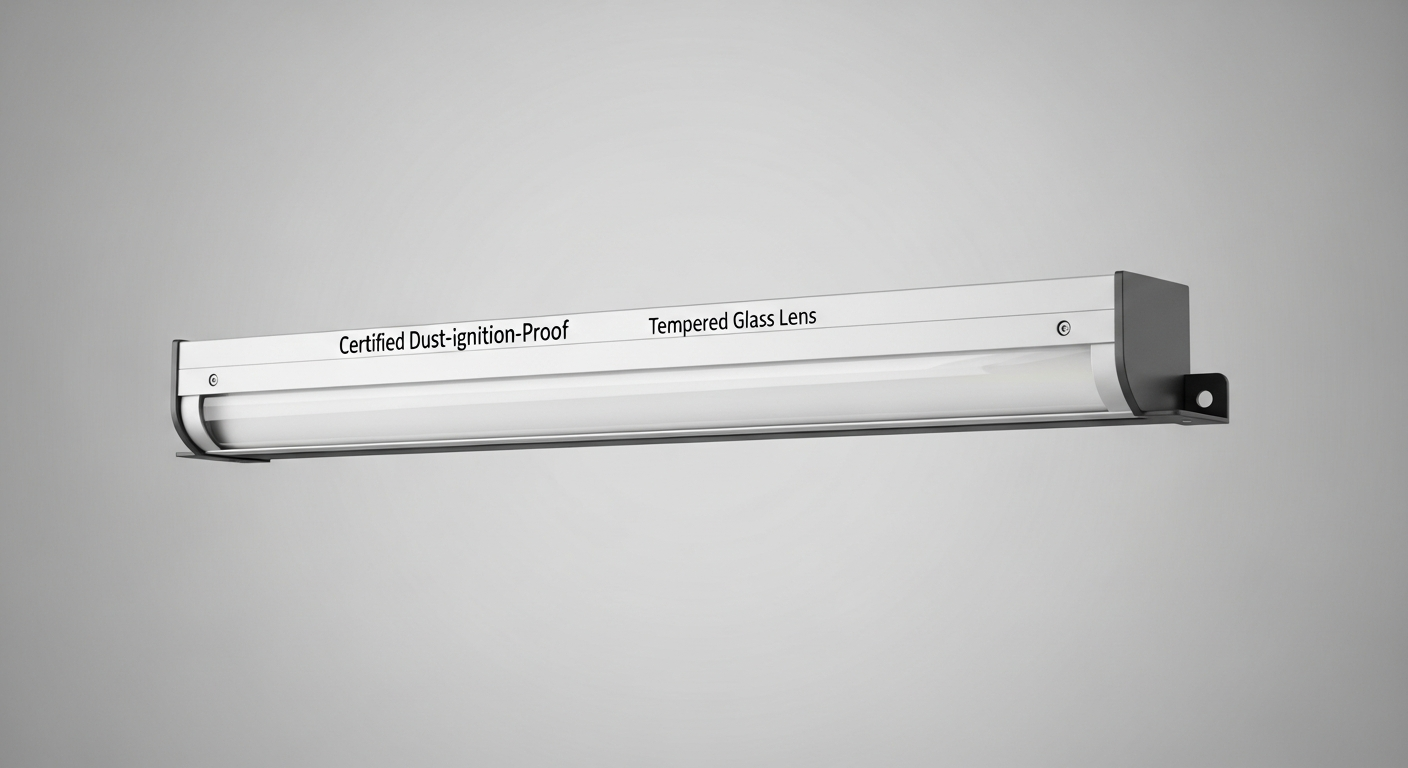
- Dust-Ignition-Proof Enclosures: This is a fundamental requirement. Equipment must be housed in enclosures specifically tested and approved for Class II locations. These enclosures are designed to prevent dust from entering and to keep any internal sparks or heat from igniting the surrounding dust cloud.
- Sealing and Gasketing: All conduit entries, joints, and access points on enclosures must be properly sealed. Unlike vapor-proof seals in Class I locations, the primary goal here is to be dust-tight, preventing the ingress of fine particulates over time.
- Surface Temperature Limitations: All equipment, including motors, lighting fixtures, and junction boxes, must be rated so that its maximum external surface temperature under any condition does not exceed the autoignition temperature of the specific combustible dust it will be exposed to.
- Proper Grounding and Bonding: To prevent static electricity buildup, which is a common ignition source for dust clouds, all metallic equipment and conduits must be bonded and grounded according to NEC guidelines. This creates a safe path for static charges to dissipate.
- Wiring Methods: Only specific wiring methods are permitted, such as threaded rigid metal conduit (RMC) or intermediate metal conduit (IMC). The threaded connections help maintain the dust-tight integrity of the entire electrical system.
Understanding Class II Division 1 Nuances
The class II division 1 rating signifies the highest risk level for combustible dust environments. The core distinction lies in the term “normal operating conditions.” This means dust is expected to be suspended in the air continuously, intermittently, or periodically. In contrast, a Division 2 location only becomes hazardous under abnormal conditions, like a container leak or system malfunction. Additionally, Class II is subdivided into Groups based on the dust’s properties:
- Group E: Includes combustible metal dusts such as aluminum and magnesium, which are electrically conductive and have a low ignition temperature.
- Group F: Pertains to carbonaceous dusts like coal, charcoal, and coke dust, which are somewhat conductive.
- Group G: Covers other combustible dusts not included in E or F, such as flour, grain, wood, and plastic dusts, which are generally non-conductive.
Selecting equipment requires matching its rating to the specific Group of dust present, ensuring both dust-tight integrity and appropriate surface temperature limits.
Key Features & Benefits of Compliant Equipment
Investing in equipment certified for Class II Division 1 locations provides critical advantages beyond simple regulatory compliance. These devices are engineered with specific protective features that translate into tangible operational benefits.
Key Features:
- Dust-Ignition-Proof Construction: Enclosures are built and tested to prevent combustible dust from entering and to ensure any internal malfunction cannot ignite the external atmosphere.
- Strict Thermal Management: Devices are explicitly marked with a maximum surface temperature in degrees Celsius. This marking guarantees the equipment’s surface will not exceed that temperature, which must be safely below the autoignition point of the specific dust hazard present.
- Robust and Sealed Design: Components use threaded joints, gaskets, and durable materials to withstand harsh industrial environments and maintain their protective seal over time.
Core Benefits:
- Enhanced Personnel Safety: The primary benefit is the prevention of explosions and fires, protecting employees from catastrophic events.
- Regulatory Adherence: Using certified equipment ensures compliance with NEC, NFPA, and OSHA standards, avoiding costly fines and facility shutdowns.
- Operational Reliability: Equipment designed for these areas is inherently rugged, leading to longer service life and reduced downtime from failures caused by dust ingress.
Recommended Products for Class II Division 1 Locations
The following products from our catalog are certified for use in hazardous areas and directly relevant to this guide:
| Product Category | Rating / Certification | Link |
|---|---|---|
| Class II, Div 1 Rated Equipment | Class II Division 1 | View C2D1 Certified Products |
Shop Certified Class II Division 1 Equipment
Ensure compliance and protect your facility with equipment specifically designed and certified for combustible dust environments. Browse our selection of dust-ignition-proof products.
Find Compliant C2D1 EquipmentGet a Specialist’s Advice on C2D1
Frequently Asked Questions
What is the main difference between Class 1 and Class II hazardous locations?
The primary difference is the type of hazardous substance present. Class 1 locations involve flammable gases or vapors, such as hydrogen or gasoline vapor. Class II locations, on the other hand, are defined by the presence of combustible dust, like grain dust, coal dust, or metallic dust.
Is Division 1 or Division 2 more hazardous?
Division 1 is considered more hazardous because the ignitable substance (gas, vapor, or dust) is expected to be present during normal operating conditions. In Division 2 locations, the hazard is only present under abnormal conditions, such as an accidental spill or equipment failure, making the risk less frequent.
Can Class 1 Division 1 equipment be used in a Class II Division 1 area?
No, not unless it is also specifically certified for Class II Division 1. The protection methods are different. Class 1 equipment is designed to contain a gas explosion (explosion-proof), while Class II equipment is designed to be dust-ignition-proof, meaning it prevents dust from entering and keeps surface temperatures low.
What are some common examples of combustible dust?
Common examples include dust from flour, sugar, and grain in the food industry; sawdust in woodworking facilities; coal dust in power plants; and finely powdered metals like aluminum and magnesium in manufacturing. Many seemingly harmless organic and synthetic materials become combustible when in a fine powder form.
How often should equipment in a Class II Div 1 location be inspected?
While the NEC sets installation standards, maintenance frequency is often governed by OSHA regulations and manufacturer recommendations. Regular inspections are crucial to check for dust accumulation, damaged seals, and corrosion. A solid preventive maintenance program is essential for ensuring continued safety and compliance.