Intrinsically Safe Knowledge Base
Combustible Dust Detectors for Grain | Class II Div 1 | ISS
Selecting the right equipment for a grain handling facility requires strict adherence to safety standards where there is no margin for error. A reliable combustible dust gas detector is an essential part of this process. Grain dust from corn, wheat, or oats is highly explosive when suspended in the air at the right concentration, posing a major risk to personnel and infrastructure. This guide covers the selection, installation, and maintenance of gas detectors designed for these Class II hazardous environments. It details the critical certification requirements, sensor technologies, and placement strategies that align with federal regulations to keep your facility safe and compliant.

Understand the Risks of Explosive Atmospheres
Before selecting a detector, it’s crucial to understand how hazardous areas are classified. This guide explains explosive zones and precautions for workplace safety.
Understanding Combustible Dust Hazards in Grain Facilities
The primary danger from combustible dust is its potential for rapid and violent deflagration. An explosion requires five elements: fuel (the dust), an oxidant (oxygen), an ignition source, dispersion of dust particles in a sufficient concentration, and confinement within a structure like a silo or elevator. Grain handling operations like conveying, processing, and storing create these exact conditions. Federal regulations, specifically OSHA 29 CFR 1910.272, outline stringent requirements for grain facilities to manage these risks. This standard mandates thorough housekeeping programs, equipment maintenance, and employee training to prevent dust accumulation and control ignition sources. A key part of this strategy is using electrical equipment, including gas detectors, certified for Class II locations. This certification ensures the device’s enclosure is dust-tight and its surface temperature will not ignite the surrounding dust cloud.
Key Features of a Reliable Combustible Dust Gas Detector
When evaluating a combustible dust gas detector, several technical specifications are critical for performance and compliance in hazardous environments. Focusing on these features will help you select equipment that provides long-term safety and reliability.
- Class II, Division 1 Certification: This is the most critical feature. It certifies that the detector is designed for safe operation where combustible dust is present under normal conditions. The enclosure must be dust-ignition-proof.
- Appropriate Sensor Technology: While catalytic bead and infrared (IR) sensors are used for combustible gases, the main concern for dust applications is the environmental classification. The detector must be rated for the specific dust type, such as Group G for grain dust.
- Ingress Protection (IP) Rating: A high IP rating, like IP66 or IP67, is essential. This rating ensures the enclosure is protected against fine dust particles and can withstand high-pressure water jets during facility wash-downs.
- Durable Construction and Materials: The device housing should be made from materials like stainless steel or coated aluminum to resist corrosion and physical impact common in grain elevators and processing plants.
Installation and Maintenance Best Practices
Proper installation and routine maintenance are as important as selecting the right detector. A poorly placed or uncalibrated device provides a false sense of security. A structured approach ensures continuous, accurate monitoring of your facility.
- Conduct a Thorough Site Assessment: Before installation, identify all areas where combustible dust can accumulate or become suspended. This includes bucket elevators, grinders, dryers, silos, and conveyor belt enclosures. The assessment should inform the number and placement of detectors.
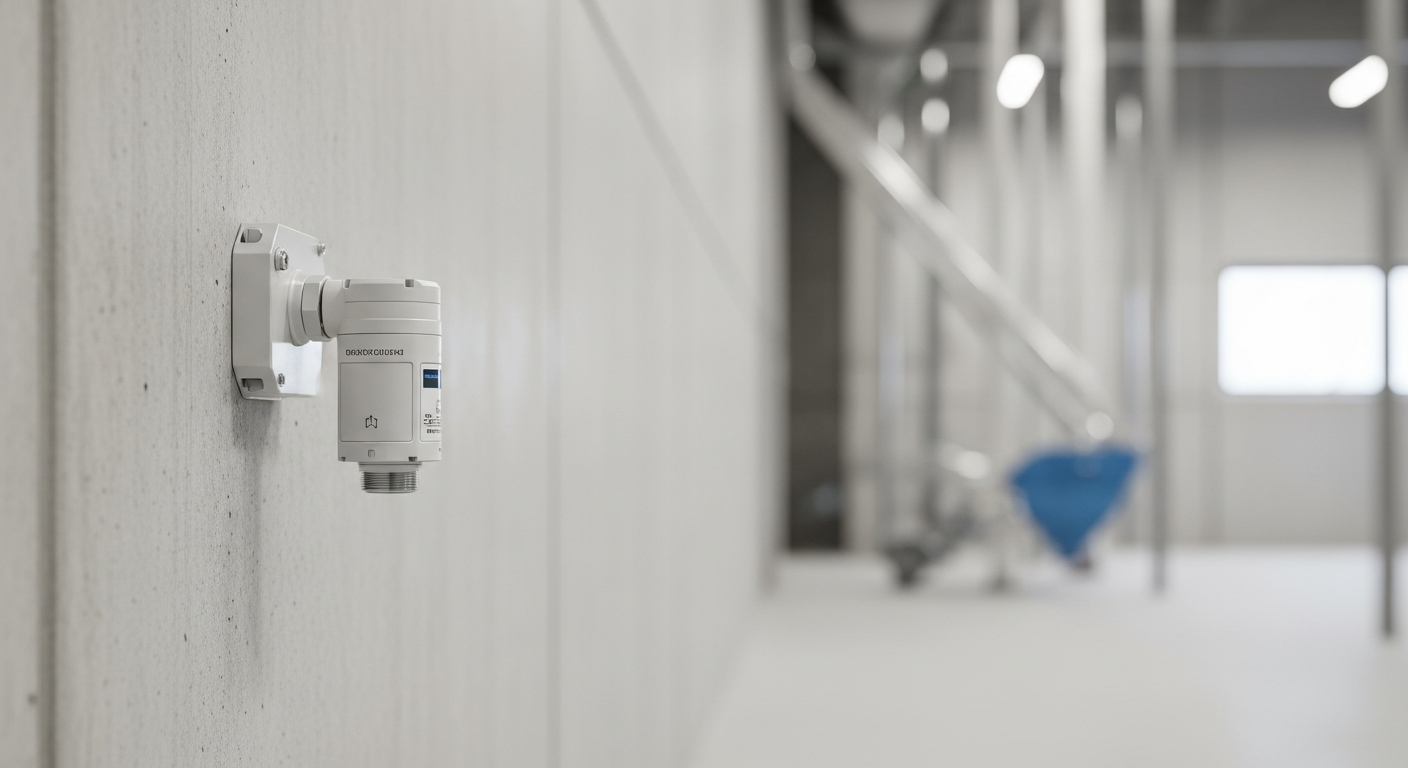
- Strategic Detector Placement: Install fixed detectors in locations with poor ventilation where dust clouds are likely to form and linger. They should be mounted according to manufacturer guidelines, considering potential ignition sources and accessibility for maintenance. Portable detectors are essential for personnel entering confined spaces or performing non-routine tasks.
- Establish a Calibration Schedule: All gas detectors require regular calibration to ensure sensor accuracy. The frequency depends on the manufacturer’s recommendations and facility conditions. Keep detailed logs of all calibration activities for compliance audits.
- Implement Regular Functional (Bump) Testing: Before each use (for portable units) or on a regular schedule (for fixed units), perform a bump test by exposing the sensor to a challenge gas. This quick test verifies that the sensor and alarms are functioning correctly.
- Train Personnel on Alarms and Procedures: Ensure all employees understand what the detector alarms signify and know the emergency procedures to follow. This includes evacuation routes and who to notify in the event of an alert.
Recommended Products for Combustible Dust Environments
The following products from our catalog are certified for use in hazardous areas and directly relevant to this guide:
| Product Category | Rating / Certification | Link |
|---|---|---|
| Measurement & Calibration | Class II, Division 1 | Shop Now |
| Class 2, Division 1 Equipment | Class II, Division 1 | Shop Now |
Shop Certified Gas Detection for Combustible Dust
Ensure your facility’s safety and compliance with our range of certified gas detectors designed for Class II hazardous locations.
Frequently Asked Questions
What is the difference between Class I and Class II hazardous locations?
Class I locations are hazardous due to the presence of flammable gases or vapors. Class II locations are hazardous because of the presence of combustible dust. Equipment certified for one class is not automatically safe for the other.
What does Group G mean for combustible dust?
The National Electrical Code (NEC) categorizes combustible dusts into groups. Group G is designated for flour, starch, or grain dusts. Equipment used in grain handling must be certified for Group G environments to be considered safe.
How often should a combustible dust gas detector be calibrated?
Calibration frequency depends on the manufacturer’s guidelines, environmental conditions, and internal company policy. A common recommendation is every 3 to 6 months, but more frequent calibration may be necessary in harsh conditions.
Can a standard gas detector be used in a grain elevator?
No. Only a detector specifically certified for Class II, Division 1, Group G locations should be used. Using uncertified equipment is a major safety violation and can act as an ignition source for a dust explosion.
What is a bump test and why is it important?
A bump test is a brief exposure of the detector’s sensor to a known concentration of gas to verify that the sensor responds and the alarms function. It is a critical safety check to ensure the device is working correctly before each use or shift.
Chat for a Quote
Call: 832-699-6726
Selecting the correct detection equipment for combustible dust is a critical part of safety management in any grain handling facility. This requires more than simply purchasing a device; it demands a solid understanding of hazardous area classifications, OSHA standards, and the specific properties of grain dust. Always prioritize Class II, Division 1, Group G certification, implement a strict installation and maintenance schedule, and ensure all personnel are trained on safety protocols. Making an informed decision protects your employees and ensures operational continuity. Our team of experts is available to help you select the right combustible dust gas detector to meet your specific compliance and safety needs.