Intrinsically Safe Products
Explosion-Proof CCTV Enclosures: Pricing, Lens Windows & RFQ
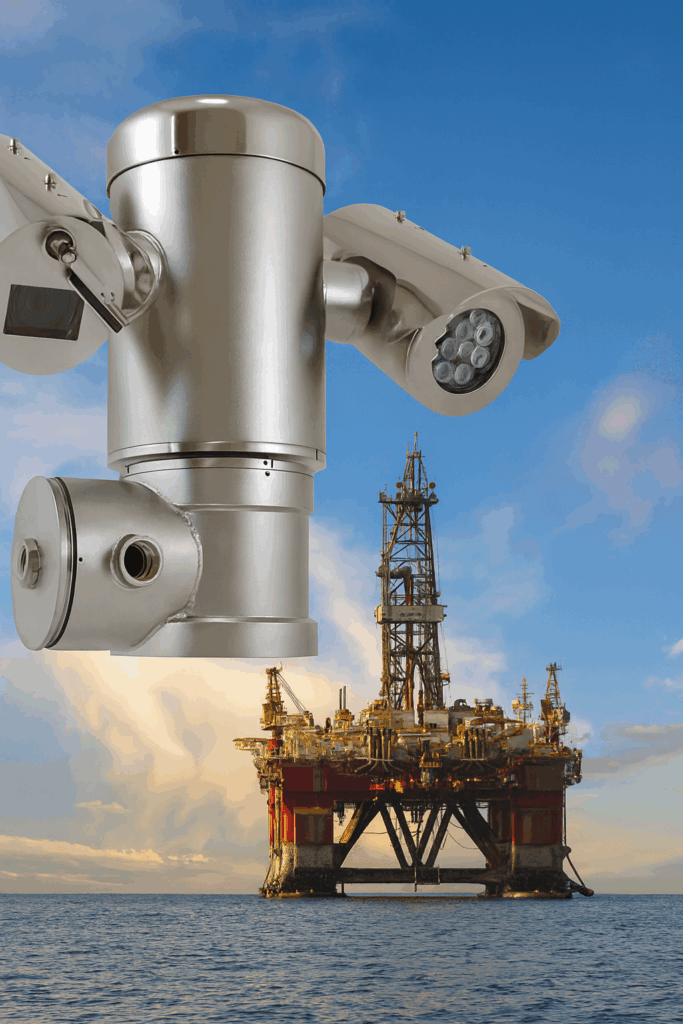
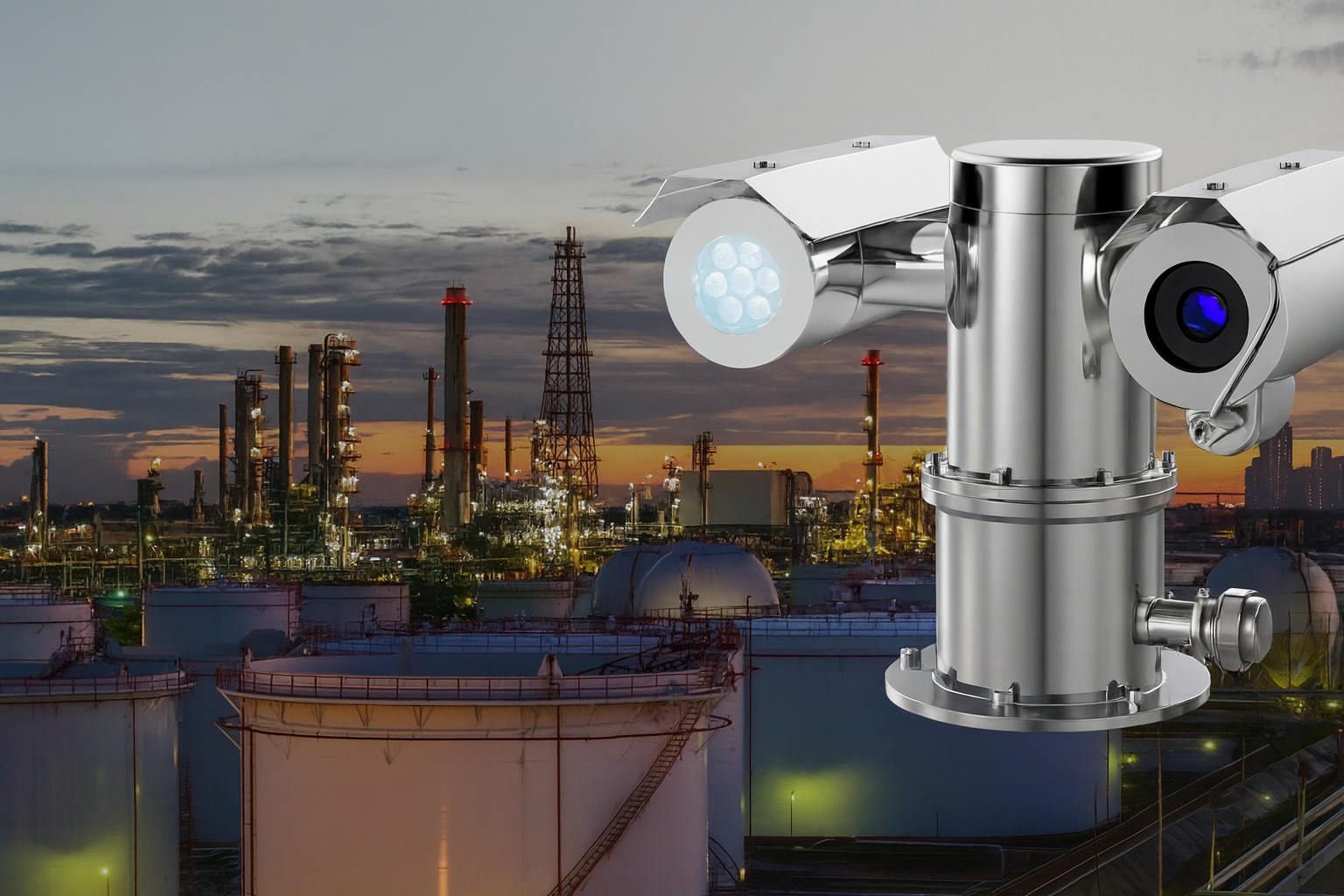
When installing surveillance systems in hazardous areas—such as oil refineries, offshore platforms, or chemical plants—safety certifications and durability are non-negotiable. The right explosion-proof CCTV enclosure not only protects your camera from environmental hazards but also ensures compliance with ATEX, IECEx, and UL standards.
This guide breaks down everything you need to know about explosion-proof CCTV enclosure price ranges, lens window materials, size options, and customization capabilities. Whether you’re sourcing for petrochemical monitoring, marine safety, or industrial automation, this article helps you select the ideal enclosure and request a tailored quote with confidence.
What Is an Explosion-Proof CCTV Enclosure?
An explosion-proof CCTV enclosure is a sealed housing designed to contain any ignition or spark from internal camera electronics, preventing the surrounding flammable gases or dust from igniting. Its primary function is to isolate standard, non-rated surveillance equipment from a potentially volatile atmosphere, making it a critical component for safety in hazardous locations.
These enclosures are engineered from stainless steel (typically 304 or 316L), providing corrosion resistance and robust protection. Many models—like the Kaixuan KX-EX series—are equipped with heating, wipers, or PoE integration for outdoor or offshore use.
Current Price Range for Explosion-Proof CCTV Enclosures (2026)
Explosion-proof CCTV enclosure prices vary widely based on materials, camera size compatibility, certifications, and added features like PTZ (pan-tilt-zoom) support or wipers. As of 2026, market adjustments and material costs have influenced pricing across the board.
Below is an updated pricing comparison of popular Kaixuan Explosion-Proof Enclosures available at Intrinsically Safe Store:
| Model | Type | Material | Certifications | Approx. Price (USD 2026) | Notable Features |
|---|---|---|---|---|---|
| Kaixuan KX-EX600PW | Fixed | 304 SS | ATEX Zone 1/21, IECEx, Class I Div 1 | $215.00 | Entry-level fixed CCTV enclosure |
| Kaixuan KX-EX600PWY | Fixed w/ Sunshield | 316L SS | ATEX Zone 1/21, IECEx, Class I Div 1 | $720.00 | Weatherproof, corrosion-resistant |
| Kaixuan KX-EX600PW-R | Fixed (Enhanced) | 316L SS | ATEX Zone 1/21, IECEx, Class I Div 1 | $2,590.00 | T6 Temperature Class, premium build |
| Kaixuan KX-EX2000PSS | Speed Dome | 316L SS | ATEX Zone 1/21, IECEx, Class I Div 1 | $1,950.00 | Supports PTZ dome cameras |
| Kaixuan KX-EX1000PPS | PTZ | 316L SS | ATEX Zone 1/21, IECEx, Class I Div 1 | $3,480.00 | Pan-Tilt control for wide coverage |
| Kaixuan KX-EX1000ZPPY | PTZ | 316L SS | ATEX Zone 1/21, IECEx, Class I Div 1 | $2,330.00 | Compact design for smaller spaces |
| Kaixuan KX-EX1000ZPPS-R | PTZ (Ruggedized) | 316L SS | ATEX Zone 1/21, IECEx, Class I Div 1 | $5,380.00 | Heavy-duty industrial monitoring |
Price range: $215 – $5,400+
Average cost: Around $2,400 for mid-range stainless steel explosion-proof housings with PTZ support and robust certifications.
Tip: Prices may fluctuate due to import tariffs and certification specifications, so it’s best to request a formal RFQ for bulk or project-specific pricing.
Key Factors That Affect Enclosure Price in 2026
Pricing is influenced by several design and certification factors:
1. Material Grade
-
304 Stainless Steel: Standard corrosion resistance; used for general industrial applications where chemical exposure is minimal. It is the most cost-effective option.
-
316L Stainless Steel: Superior for offshore, chemical, and marine environments due to its higher molybdenum content, which enhances resistance to chlorides and acids.
Expect a 15–25% higher price for 316L-grade housings due to enhanced anti-corrosion performance.
2. Certification Complexity
ATEX and IECEx certifications involve rigorous testing, driving up costs. Enclosures certified for more volatile environments (e.g., Zone 1 vs. Zone 2) require more robust construction and sealing, which directly impacts the price.
3. Camera Type Compatibility
PTZ-compatible enclosures with motors, seals, and optical domes are significantly more expensive than fixed housings. They require internal mechanisms to facilitate camera movement while maintaining the explosion-proof seal.
4. Lens Port Design
Lens window size and material (glass vs. sapphire) directly impact both image clarity and enclosure cost. Larger windows or those made from scratch-resistant sapphire are premium features.
Certification Requirements Explained
Understanding certifications is crucial for ensuring compliance and safety. Each standard applies to different regions and hazard types.
- ATEX and IECEx: These are the primary standards for equipment used in explosive atmospheres in Europe and internationally. An enclosure with these certifications has been tested to safely contain an internal explosion and prevent ignition of external hazards. For a detailed comparison, see our guide on ATEX vs IECEx.
- UL and CSA: These are North American standards. A UL or CSA listing for hazardous locations (e.g., Class I, Division 1) ensures the product meets safety requirements for the US and Canada.
- IP68/IP69K: These ratings measure ingress protection against solids and liquids. An IP68 rating means the enclosure is dust-tight and can be submerged in water, making it ideal for offshore and wash-down environments.
How to Choose the Right Enclosure
Selecting the correct enclosure goes beyond price. Follow these steps to ensure you get a compliant and effective solution for your specific needs.
- Assess Your Environment: Determine the required hazardous location classification for your site, such as the Zone system (e.g., Zone 1 for gas) used under ATEX/IECEx, or the Class/Division system (e.g., Class I, Division 1) used in North America. This determines the required certification level. For marine or chemical plants, 316L stainless steel is highly recommended and often required.
- Define Camera Requirements: What camera model will you use? Note its dimensions and lens type. Determine if you need a fixed view or PTZ (pan-tilt-zoom) capabilities for broader coverage.
- Verify Certifications: Ensure the enclosure’s ATEX, IECEx, or UL certification matches your site’s legal and safety requirements. Never use a non-certified enclosure in a classified hazardous area.
- Consider Power and Cabling: Will you use Power over Ethernet (PoE) for simplicity, or do you need support for AC/DC power? Ensure the enclosure has the correct type and number of cable gland entries.
- Plan for Accessories: Do you need a sunshield for outdoor use, a wiper for rainy or dusty conditions, or an internal heater for cold climates? Factoring these in early ensures full compatibility. You can explore a variety of options in our explosion-proof camera enclosure collection.
What Lens Window Options Are Available?
Explosion-proof enclosures feature various lens window designs, each optimized for different environments:
| Lens Type | Material | Use Case | Advantages |
|---|---|---|---|
| Tempered Glass | Glass | General surveillance | Affordable and widely compatible |
| Sapphire Glass | Synthetic Sapphire | High-temperature or corrosive areas | Scratch-resistant, superior clarity |
| Polycarbonate Dome | Plastic | PTZ enclosures | Lightweight and impact-resistant |
Recommendation: For outdoor and marine applications, choose 316L SS housings with sapphire glass to ensure maximum clarity and longevity.
What Are the Common Sizes of Explosion-Proof CCTV Enclosures?
Explosion-proof housings come in multiple diameters to fit compact, bullet, or PTZ-style cameras.
| Size Category | Internal Diameter | Compatible Camera Type | Example Model |
|---|---|---|---|
| Small | 60–80 mm | Mini or fixed lens cameras | KX-EX600PW |
| Medium | 100–120 mm | Standard CCTV cameras | KX-EX600PWY |
| Large | 150–180 mm | PTZ or dome cameras | KX-EX1000PPS |
Most Kaixuan housings support custom dimensions upon request, allowing precise fitting for proprietary camera models.
How Do PoE and Cabling Work in Explosion-Proof CCTV Enclosures?
Explosion-proof enclosures typically integrate cable glands, PoE (Power over Ethernet) support, and signal isolationsystems to maintain safety integrity.
Cable Entry & Power Options
-
PoE (Power + Data): Simplifies installation and reduces the need for separate power lines. This is the modern standard for most IP camera installations.
-
24V AC/DC or 110V AC: Common for non-PoE systems in legacy setups or for cameras with high power requirements (e.g., with powerful heaters).
Cable entries use Ex d or Ex e glands to ensure the connection remains explosion-proof. These glands are designed to maintain seal integrity even under thermal expansion or vibration.
Which Explosion-Proof Enclosure Is Best for My Application?
| Industry/Environment | Recommended Model | Reason |
|---|---|---|
| Oil & Gas | KX-EX1000ZPPY or KX-EX1000ZPPS-R | High heat resistance and corrosion protection |
| Marine & Offshore | KX-EX600PWY | 316L stainless steel with sunshield |
| Chemical Processing | KX-EX2000PSS | Dome enclosure for wide coverage |
| Manufacturing & Automation | KX-EX600PW | Economical, fixed-view option |
| Refineries | KX-EX1000PPS | PTZ coverage for large zones |
Best Choice: For most industrial users, the Kaixuan KX-EX1000ZPPY strikes the best balance between affordability, 316L durability, and PTZ functionality.
What Accessories Are Available for Explosion-Proof CCTV Enclosures?
Common Add-Ons
-
Sunshields: Reduce lens glare and heat exposure.
-
Wipers and Wash Systems: Maintain lens clarity in dusty or rainy conditions.
-
Heaters/Blowers: Prevent condensation inside the enclosure.
-
Mounting Brackets: Wall, ceiling, or pole mount options for flexible deployment.
All Kaixuan enclosures sold via Intrinsically Safe Store can be equipped with these optional accessories upon request.
How to Request a Quote (RFQ) for Explosion-Proof CCTV Enclosures
Since explosion-proof systems are customized to site specifications, obtaining a detailed RFQ ensures correct sizing, certification, and accessory matching.
Steps to Request a Quote:
-
Visit the Explosion-Proof Camera Enclosure Collection.
-
Select the model(s) that meet your zone classification and camera type.
-
Click “Request a Quote” or contact the sales team with:
-
Your camera brand/model
-
Operating temperature range
-
Zone classification (e.g., ATEX Zone 1, Class I Div 2)
-
Required accessories (sunshield, heater, wiper, etc.)
-
Contact Intrinsically Safe Store for a custom RFQ and get guidance on selecting the right housing for your hazardous area compliance.
Frequently Asked Questions
What is the difference between explosion-proof and weatherproof enclosures?
Explosion-proof enclosures contain internal sparks to prevent explosions in flammable environments. Weatherproof enclosures only protect against rain or dust and aren’t suitable for hazardous zones.
Can I use a regular camera inside an explosion-proof enclosure?
Yes. The enclosure isolates the non-rated camera from external hazards, allowing safe deployment in ATEX or Class I Div 2 areas.
Are explosion-proof housings compatible with IP cameras?
Most Kaixuan housings support both analog and IP CCTV cameras, especially with PoE integration for simplified wiring.
How long do explosion-proof housings last?
With proper maintenance, stainless steel explosion-proof housings can last 10–15 years, even in offshore or high-corrosion zones.
Do explosion-proof CCTV enclosures require maintenance?
Yes. Regular cleaning of the lens window and inspection of seals, cable glands, and mounting brackets ensures long-term compliance and performance.
Conclusion: Finding the Right Explosion-Proof CCTV Enclosure Price
Selecting the correct explosion-proof CCTV enclosure involves balancing price, certification, and environmental resistance. Whether you need a simple fixed housing or a motorized PTZ enclosure, Kaixuan’s range—from the $215 entry-level KX-EX600PW to the $5,380 heavy-duty KX-EX1000ZPPS-R—covers all industrial requirements for 2026 and beyond.
To get an accurate explosion-proof CCTV enclosure price tailored to your setup, request a quote today from the Intrinsically Safe Store. Their technical team will help ensure compatibility with your camera model, safety zone, and environmental challenges.