Intrinsically Safe Products
Stainless Steel vs. Aluminum Explosion Proof Enclosures Guide
Choosing the right material for an explosion-proof enclosure directly impacts safety, service life, and project budget in hazardous locations. While both stainless steel and aluminum are common, their properties make them suitable for very different environments. A clear understanding of the differences when evaluating stainless steel vs aluminum explosion proof enclosures is fundamental for meeting compliance and ensuring operational reliability. Factors like corrosion resistance in marine or chemical-heavy areas, overall weight for installation, and the total cost of ownership must be weighed. This guide covers these key points to help you select the right enclosure for a specific application.
Hazardous Area Enclosure Fundamentals
Before choosing a material, ensure you understand the core principles of enclosure ratings, types, and certifications for hazardous locations.
Key Material Properties: Stainless Steel vs Aluminum Explosion Proof Enclosures
The primary function of an explosion-proof enclosure is to contain an internal explosion and prevent it from igniting a surrounding hazardous atmosphere. Both stainless steel and aluminum can achieve this, but their performance under various environmental stresses differs significantly. The choice between them often comes down to the specific application’s exposure to corrosive agents, structural load requirements, and budget constraints. According to standards like NEMA 250, enclosures must provide protection against environmental hazards. Stainless steel, particularly grades 304 and 316L, offers superior resistance to oxidation and chemical corrosion, making it the default choice for offshore platforms, wastewater treatment plants, and chemical processing facilities. Aluminum is lighter and more cost-effective, but is more susceptible to galvanic corrosion and chemical attack if not treated with protective coatings. Its lower weight, however, is a major advantage for installations where weight is a concern, such as on mobile equipment or elevated structures.
When to Choose Stainless Steel for Maximum Durability
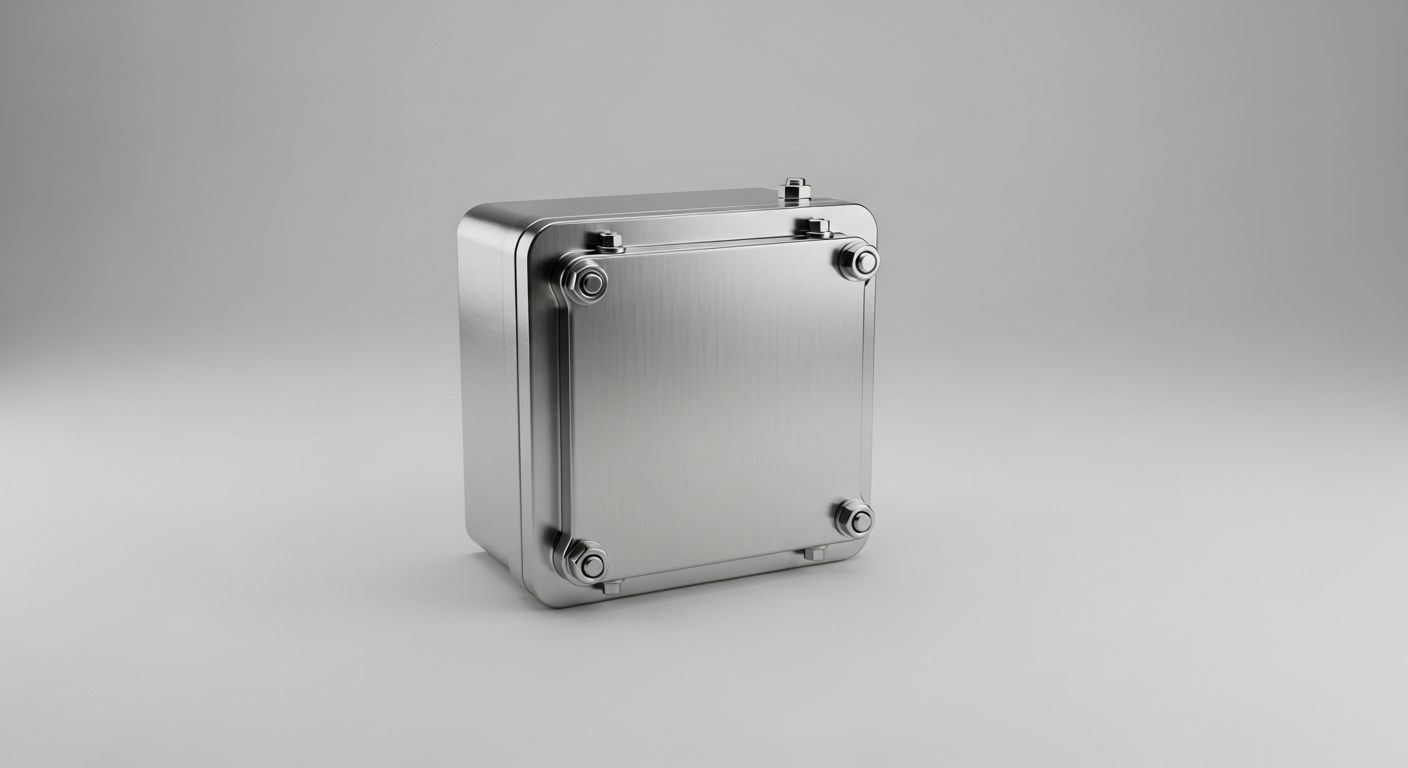
Stainless steel is specified for applications where durability and corrosion resistance are the primary requirements. Its material properties ensure a long service life in aggressive environments, which justifies its higher initial cost. You should specify a stainless steel enclosure in these scenarios:
- Extreme Corrosive Environments: For offshore oil rigs, coastal facilities, or chemical plants with high salinity or acidic atmospheres, 316L stainless steel provides unmatched protection against rust and chemical degradation.
- High-Impact Risk Areas: The superior tensile strength and impact resistance of stainless steel make it ideal for locations where the enclosure may be subject to physical abuse or accidental contact from heavy machinery.
- Food and Beverage Processing: Stainless steel’s non-porous surface is easy to clean and sanitize, preventing bacterial growth and making it compliant with strict hygiene standards required in food-grade applications.
- Long-Term, Low-Maintenance Installations: When an installation is remote or difficult to access, the longevity of stainless steel minimizes the need for costly maintenance, replacement, and downtime over the enclosure’s life cycle.
The Case for Aluminum: Lightweight and Cost-Effective Solutions
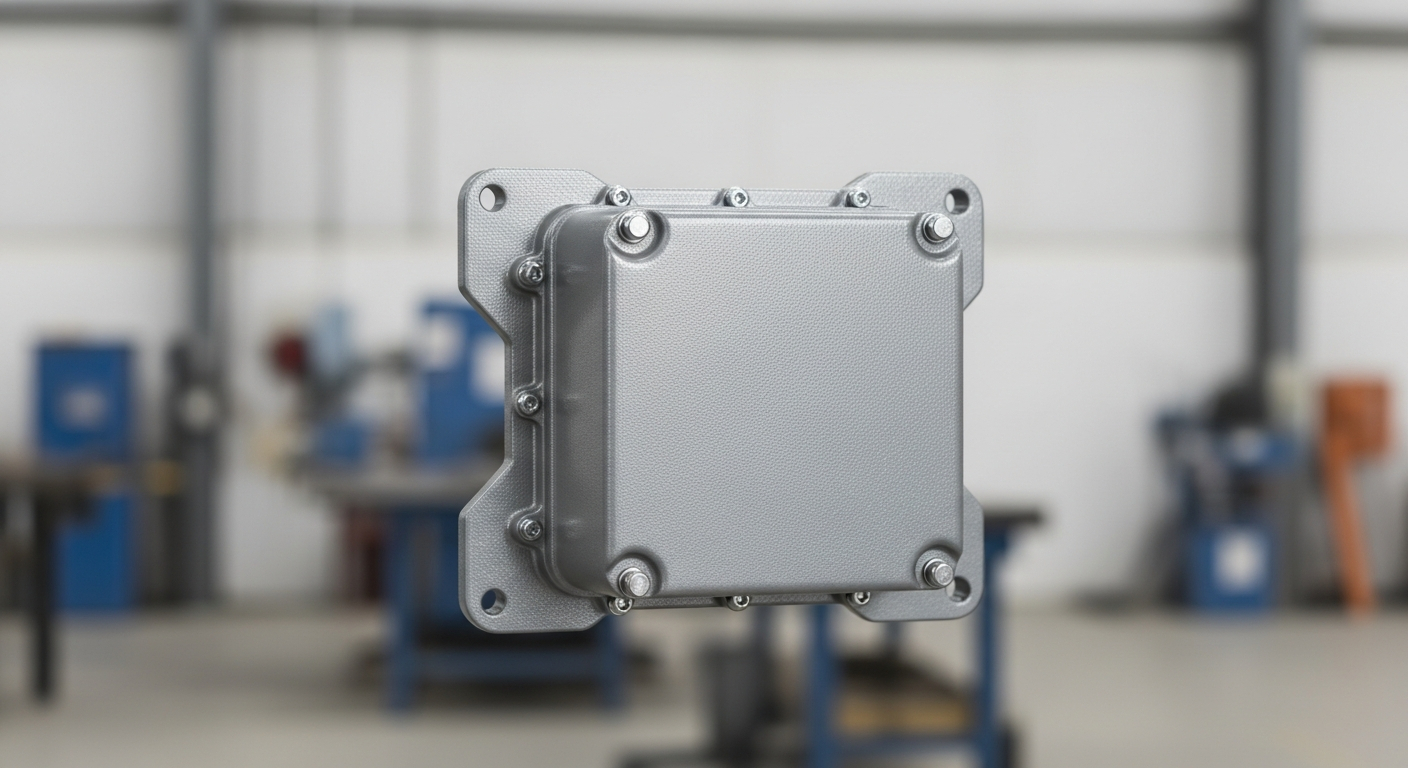
While stainless steel is necessary for harsh conditions, aluminum has clear advantages for many other industrial applications. Its lower weight and cost make it a practical choice where environmental conditions are less severe. The key benefits of using aluminum for explosion-proof enclosures are:
- Reduced Weight and Easier Installation: Aluminum is approximately one-third the weight of steel. This significantly simplifies transportation, handling, and installation, reducing labor costs and the need for heavy lifting equipment.
- Better Heat Dissipation: Aluminum dissipates heat more effectively than stainless steel. This is a key advantage for enclosures housing heat-generating components like VFDs or power supplies, helping to maintain stable internal operating temperatures.
- Lower Cost: The raw material and fabrication costs for aluminum enclosures are generally lower than for stainless steel, providing a budget advantage for large-scale projects or applications where premium corrosion resistance is not required.
- Corrosion Resistance with Proper Treatment: Though not as resistant as stainless steel, copper-free aluminum alloys offer good resistance to weathering. When treated with powder coating or anodizing, they can provide reliable service in moderately corrosive environments.
Recommended Products for Explosion Proof Enclosures
The following products from our catalog are certified for use in hazardous areas and directly relevant to this guide:
| Product Category | Rating / Certification | Link |
|---|---|---|
| Explosion Proof Junction Boxes | NEMA 4X, 7, 9 / Class I Div 1 | Shop Now |
| Class 1 Division 1 Junction Boxes | ATEX / IECEx / UL Certified | Shop Now |
Shop Certified Explosion-Proof Junction Boxes
Find the right certified enclosure for your hazardous area application, available in both stainless steel and aluminum to meet your project’s specific needs.
Frequently Asked Questions
Is stainless steel always better than aluminum for explosion proof enclosures?
Not necessarily. While stainless steel offers superior corrosion resistance for harsh environments like offshore platforms, aluminum is lighter, more cost-effective, and provides better thermal conductivity, making it a better choice for many standard industrial applications.
What is the main advantage of aluminum enclosures?
The main advantages are its lower weight and lower cost. Aluminum is about one-third the weight of steel, which simplifies handling and installation, reducing labor costs and structural load requirements significantly.
How does NEMA 250 apply to these enclosures?
NEMA 250 defines the standards for protection against environmental conditions like water, dust, and corrosion. An enclosure with a NEMA 4X rating, for example, is suitable for both indoor and outdoor use and provides a high degree of protection against corrosion, making it a common rating for both stainless steel and treated aluminum enclosures.
Can aluminum enclosures be used in corrosive environments?
Yes, but with limitations. Copper-free cast aluminum alloys have decent corrosion resistance. For enhanced protection in moderately corrosive areas, they are often treated with a powder coating or anodized finish. However, for highly corrosive or saline environments, 316L stainless steel remains the superior choice.
What are the common stainless steel grades used for enclosures?
The two most common grades are Type 304 and Type 316L. Type 304 is a versatile, general-purpose stainless steel, while Type 316L contains molybdenum, which provides enhanced resistance to chlorides and other industrial chemicals, making it ideal for marine and chemical processing applications.
The choice between stainless steel and aluminum for an explosion-proof enclosure comes down to a trade-off between environmental performance and cost. For harsh settings with a high corrosion risk, stainless steel is the correct engineering choice for long-term asset protection. In less severe environments, aluminum offers a practical, lighter, and more economical solution that still meets safety standards. Evaluating your specific site conditions, load limitations, and project budget is the only way to correctly specify the material and avoid over-engineering the solution.