

Intrinsically Safe Knowledge Base
Explosion-Proof Junction Boxes: Exploring Essentials
Introduction
In the realm of industrial safety, explosion-proof junction boxes play a pivotal role, ensuring that electrical systems operate seamlessly in hazardous environments. As such, this comprehensive guide aims to demystify the intricate workings, robust construction, and critical role of these devices in mitigating explosion risks. With a confident and active tone, we will delve into the essentials of explosion-proof junction boxes, providing insights that highlight their importance and functionality. To begin this exploration and learn more about products designed with your safety in mind, we invite you to visit the Intrinsically Safe Store.
The Core Functionality
First and foremost, explosion-proof junction boxes primarily aim to contain any explosion within the device, effectively preventing it from igniting a larger, more dangerous explosion in the surrounding environment. This goal is paramount in industries where explosive gases, dust, or fibers may be present, such as oil and gas, chemical manufacturing, or grain processing.
Rugged Construction
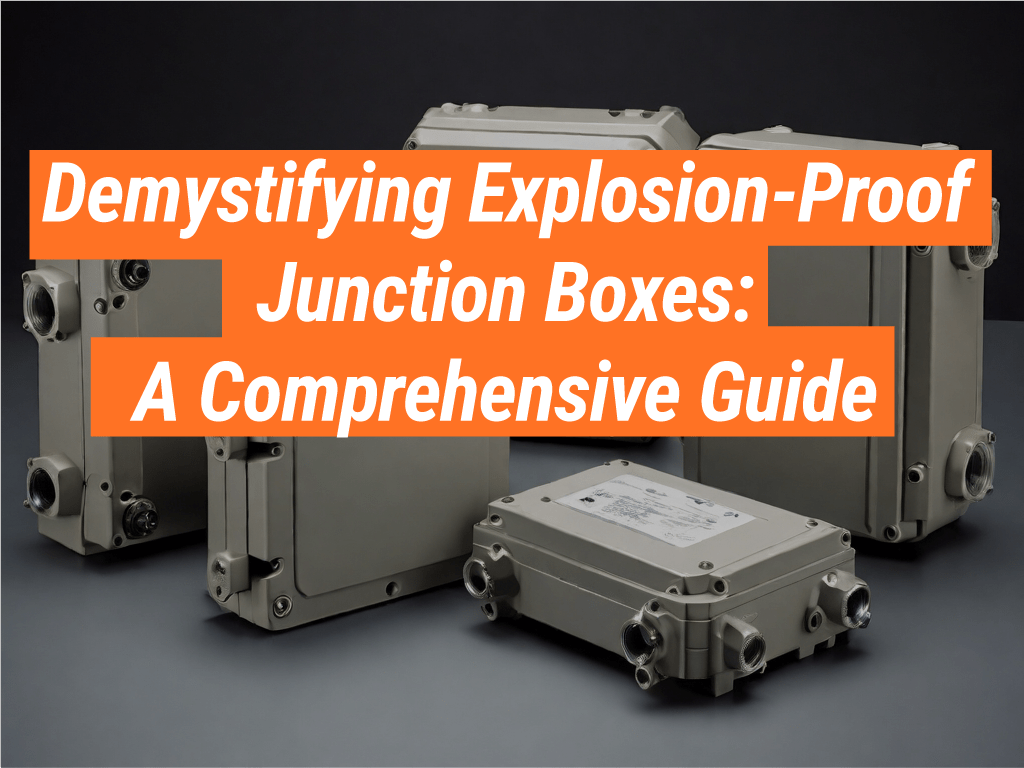
Moreover, engineers have meticulously designed explosion-proof junction boxes using durable materials like stainless steel or aluminum. These materials enable the boxes to withstand the extreme pressures of an internal explosion. Consequently, their thick walls and tight seals ensure that any ignition inside the box remains contained, thus protecting the external environment from potential hazards.
Mitigating Explosion Risks
In addition, explosion-proof junction boxes mitigate explosion risks through their meticulous design and adherence to construction standards. These standards, defined by international safety organizations, ensure that the boxes can endure severe conditions without losing integrity. Therefore, manufacturers who follow these guidelines add an extra layer of safety for industries operating in volatile environments.
Seamless Integration
Furthermore, the versatile design of explosion-proof junction boxes allows for flexible integration into a wide range of electrical systems by qualified professionals. Their availability in various sizes and configurations allows them to accommodate a wide range of electrical components, ensuring industries can maintain operational efficiency while adhering to safety protocols.
A Proactive Approach to Safety
Importantly, employing explosion-proof junction boxes represents a proactive approach to industrial safety. By containing potential explosions at their source, these devices not only protect human lives but also minimize the risk of property damage. This deployment underscores an organization’s commitment to the highest safety standards, fostering a safety culture that extends beyond mere compliance.
Key Features & Benefits of Explosion-Proof Junction Boxes
Beyond simple containment, these boxes offer a suite of features designed for maximum safety and reliability in hazardous locations:
- Robust Material and Build: Constructed from high-grade materials like cast aluminum or stainless steel, they provide excellent resistance to corrosion and physical impact, ensuring long-term durability.
- Precision-Engineered Flame Paths: The joints and openings are designed with specific tolerances known as “flame paths.” These paths cool and extinguish hot gases from an internal ignition before they can reach the flammable atmosphere outside the enclosure.
- Strict Certification Compliance: All reputable boxes are certified to international and regional standards such as ATEX (Europe), IECEx (International), and NEC standards for Class I, Division 1 and 2 locations (North America). This guarantees they have been rigorously tested for safety.
- Environmental Sealing: Many models feature high NEMA or IP ratings, ensuring they are also sealed against dust, water, and other environmental contaminants, protecting the sensitive electrical components within.
Frequently Asked Questions
What is the difference between an explosion-proof and an intrinsically safe junction box?
An explosion-proof junction box is designed to contain an internal explosion and prevent it from propagating into the external hazardous atmosphere. An intrinsically safe system, on the other hand, limits the electrical and thermal energy of the entire circuit to a level below that which can ignite a specific hazardous atmospheric mixture.
Can I drill new holes in an explosion-proof junction box?
No, you should never drill or modify an explosion-proof enclosure in the field. Doing so will void its certification and compromise its safety features, particularly the precisely engineered flame paths. Any modifications must be done by the original manufacturer or a certified workshop.
What certifications are essential for these junction boxes?
The required certifications depend on the region of operation. Key standards include ATEX for the European Union, IECEx for international use, and NEC (e.g., Class/Division ratings) for North America. Always ensure the product’s certification matches the requirements of your specific hazardous location.
Conclusion
To wrap up, explosion-proof junction boxes are indispensable allies in the quest for industrial safety in hazardous environments. Their robust construction and sophisticated design offer a reliable solution for containing explosions, mitigating risks, and safeguarding lives and property. Through this guide, we have not only highlighted their critical role and functionality but also emphasized their importance in promoting a safer working environment. For more detailed information on integrating these essential safety measures into your operations, we strongly encourage you to talk to a hazardous-area specialist at the Intrinsically Safe Store. We are prepared to guide you through the complexities of industrial safety with expertise and unwavering dedication.