

Intrinsically Safe Knowledge Base
Intrinsically Safe Phone Cases: Merging Technology with Safety Principles
Introduction to Intrinsically Safe Phone Cases
In modern hazardous environments, from oil rigs to chemical plants, communication is critical. However, standard electronic devices like smartphones pose a significant ignition risk. A single spark or an overheating battery can lead to catastrophic events in areas with flammable gases, vapors, or dust. This is where Intrinsically Safe Phone Cases provide a crucial layer of protection. These specialized cases are engineered to help permit the use of a standard mobile phone in specific hazardous locations by providing a certified level of protection. This article explores the technology, features, and vital importance of these safety accessories, brought to you by the experts at the Intrinsically Safe Store.
What Does Intrinsically Safe Mean?
Intrinsic safety is a protection technique for safe operation of electrical equipment in hazardous areas. By limiting the energy available for ignition, we achieve this. Simply put, we design intrinsically safe devices to prevent sparks or heat that could ignite a flammable or explosive atmosphere.
Understanding Intrinsically Safe Phone Cases
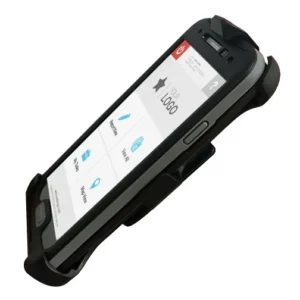
Intrinsically safe phone cases are specifically designed to contain any sparks or heat that could be produced by a phone. They are meticulously engineered to ensure that even in the event of a fault condition, the phone cannot ignite the surrounding atmosphere.
Key Features & Benefits of Intrinsically Safe Phone Cases
Intrinsically safe phone cases are more than just rugged protection. They are sophisticated safety systems designed with specific features that deliver tangible benefits for operational safety and efficiency.
- Robust, Sealed Enclosure: Benefit: These cases provide superior protection against drops, shocks, water, and dust (often with IP ratings like IP67). This not only protects the phone but also prevents any internal component from creating a spark that could escape the enclosure. It extends the life of the device in harsh industrial settings.
- Certified Ignition Containment: Benefit: The case is engineered as a sealed enclosure to contain any potential sparks or thermal energy from the non-certified phone, preventing them from igniting a surrounding hazardous atmosphere. This protection method allows a standard device to be used in specific, lower-risk hazardous areas (e.g., Div 2/Zone 2).
- Certified for Hazardous Areas: Benefit: Cases are rigorously tested and certified to meet standards for specific hazardous locations, such as Class I, Division 2 (North America) or ATEX/IECEx Zone 2 (International). Certification for Division 1/Zone 1/Zone 0 typically requires a device that is purpose-built and certified as intrinsically safe, not a standard phone in a case. This certification provides documented proof of safety and ensures compliance with site regulations, avoiding fines and shutdowns.
- Non-Sparking Materials: Benefit: The exterior materials are chosen to prevent the generation of sparks from static electricity or impact with other surfaces, adding another layer of safety.
- Maintained Functionality: Benefit: While safety is paramount, these cases are designed to allow full use of the phone’s features, including touchscreen, cameras, and connectivity ports, ensuring that communication and productivity are not compromised.
Why Use Intrinsically Safe Phone Cases?
Using an intrinsically safe case is crucial in industries such as oil and gas, mining, and chemical processing, where flammable or explosive atmospheres are common. These cases provide an extra layer of protection, ensuring that communication devices do not become ignition sources.
Case Study: The Impact of Intrinsically Safe Phone Cases
For example, in a typical chemical processing plant, implementing certified cases for all mobile devices can be a critical control measure to reduce ignition risk from personal electronics. The plant had previously experienced several near-miss incidents due to mobile phones. After implementing intrinsically safe cases, the number of near-miss incidents dropped to zero.
Choosing the Right Intrinsically Safe Phone Case
When selecting an intrinsically safe case, it’s important to consider the specific hazards of your work environment. The experts at the Intrinsically Safe Store can guide you in choosing the right product for your needs.
Frequently Asked Questions
Can any phone become intrinsically safe with one of these cases?
No. An intrinsically safe case for a non-certified phone allows the phone to be used in compliance with certain hazardous area classifications, such as Division 2, but it does not make the phone itself intrinsically safe or certified for Division 1 environments. The certification applies to the case itself, which is designed to contain any ignition source from the non-certified device within it. For the most hazardous zones (Zone 0/1, Div 1), a fully certified intrinsically safe phone is required.
What is the difference between an intrinsically safe case and a regular rugged case?
A regular rugged case is designed to protect the phone from physical damage like drops, water, and dust. An intrinsically safe case does all of that PLUS it is specifically engineered and certified to prevent the phone from causing an explosion in a hazardous atmosphere by containing sparks and limiting heat.
Do these cases affect phone signal or battery life?
Intrinsically safe cases are designed by top manufacturers to minimize impact on performance. While the robust materials might slightly affect signal strength in very low-coverage areas, it is generally not a significant issue. They do not actively drain the battery, as their safety features are passive.
How do I choose the right certified case for my work environment?
The choice depends on the specific hazardous area classification of your workplace (e.g., ATEX Zone, Class/Division). You must match the case’s certification to your environment’s requirements. Our specialists can help you verify the necessary ratings. Talk to a hazardous-area specialist to ensure you get the correct product for your needs.
Conclusion
Intrinsically safe phone cases are a vital component of safety in hazardous environments. They prevent mobile phones from becoming ignition sources, protecting both people and property. By understanding the technology behind these cases, we can appreciate their importance and make informed decisions when selecting safety equipment. For more information or to explore our range of intrinsically safe products, browse our certified intrinsically safe phone cases or request a quote for your team’s specific needs today.