Cases Accessories
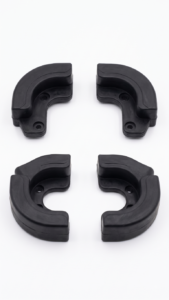
Xciel Bumpers set of four - Zone 1
$250.00In Stock


Your Global Authority In Hazardous Areas
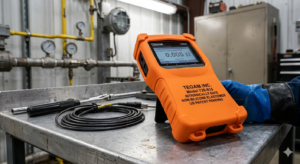
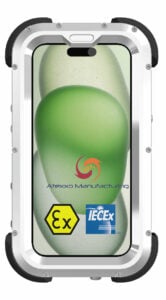
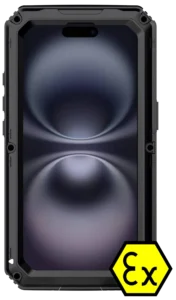
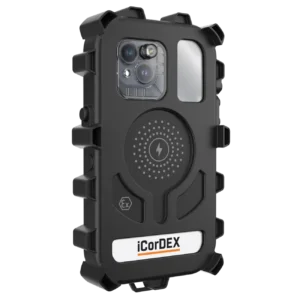
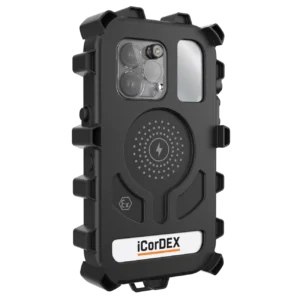
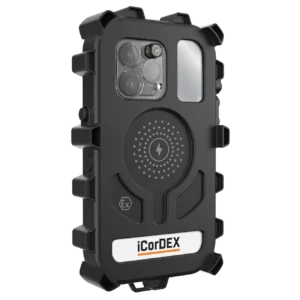

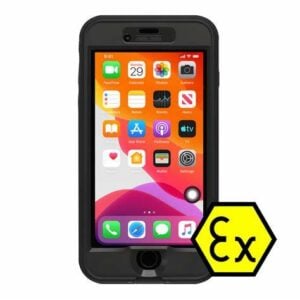
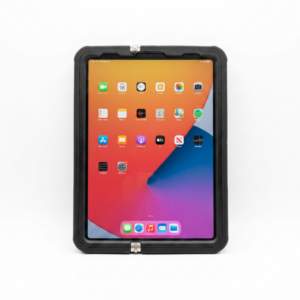
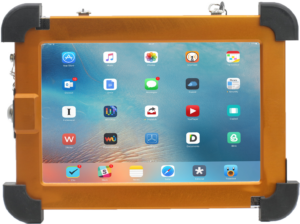
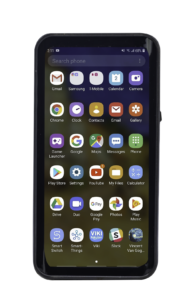
In environments where flammable gases, vapors, or combustible dusts are present, using standard electronic devices like smartphones and tablets poses a significant ignition risk. Intrinsically Safe Cases are engineered to eliminate this danger, allowing you to use your essential communication and data-capture tools safely in hazardous locations. These specialized cases are designed to enclose non-certified devices, ensuring that their electrical energy is limited to a level below what is required to ignite the most volatile atmospheric mixtures. By investing in a certified intrinsically safe case, you protect both your personnel and your valuable assets from catastrophic events.
Each case in our collection is rigorously tested and certified to meet stringent global standards, including ATEX for Europe, IECEx for international use, and North American Class/Division ratings. This certification guarantees that the case, when properly installed on the designated device, creates a non-incendive barrier, preventing sparks and thermal energy from escaping and causing an explosion.
Our selection of intrinsically safe cases is built to provide robust protection without sacrificing the functionality of your device. They are constructed from durable, anti-static materials that dissipate electrical charge safely. Key features include:
Intrinsically safe cases are indispensable tools for professionals working in a wide range of hazardous industries. The ability to use standard mobile devices for communication, data collection, and workflow management drastically improves efficiency and safety. Key industries include:
Selecting the correct case is critical for ensuring compliance and safety. First, identify the exact model of the phone or tablet you need to protect. Next, determine the required safety rating for your specific hazardous environment (e.g., Class I Division 1, ATEX Zone 1). Carefully review the product specifications to ensure the case’s certification matches your needs. Browse our extensive collection of intrinsically safe cases above to find the perfect certified solution for your device, and please contact our experts if you require assistance in making the right choice.
An intrinsically safe case is a highly engineered enclosure certified to contain any potential ignition source from the electronic device within. This is achieved through methods like explosion-proof containment or energy limitation. The case is rigorously tested to ensure that if the internal device were to spark or overheat, the hazardous atmosphere outside the case would not ignite. The certification applies only to the specific case and device combination when installed according to the manufacturer’s precise instructions.
No. Intrinsically safe cases are designed for specific device models. The internal dimensions, button placements, camera ports, and thermal dissipation characteristics are all custom-engineered for a perfect fit. Using a case with an unsupported device model is strictly prohibited as it voids the intrinsic safety certification and compromises protection, creating a significant safety risk. Always verify that the case is certified for your exact phone or tablet model number.
Intrinsically safe cases are designed to maintain full device functionality while ensuring safety. They feature a protective transparent membrane that allows for full touchscreen operation, including with compatible gloves. Access to cameras, speakers, and microphones is preserved through specialized, certified ports or acoustic vents. Wireless signals such as Wi-Fi, Cellular, and Bluetooth pass through the case materials without compromising the safety enclosure.
In addition to hazardous area certifications (e.g., ATEX, IECEx, UL), these cases provide exceptional rugged protection. Most are built to meet or exceed military standards for drop and shock protection (MIL-STD-810G). They also carry high Ingress Protection (IP) ratings, typically IP67 or IP68, signifying they are fully sealed against dust ingress and can withstand submersion in water, making them suitable for the most demanding industrial environments.
Yes, regular inspection is a critical safety practice. Before entering a hazardous area, you must visually inspect the case for any signs of damage, such as cracks in the housing, deep scratches on the screen protector, or worn or damaged seals. Any breach in the case’s integrity compromises its safety rating, and it must be removed from service immediately. Follow the manufacturer’s specific guidelines for cleaning and inspection. The cases do not require user recertification but must be replaced if damaged.
Your cart is empty.