Intrinsically Safe Products
Explosion Proof Tablet Cases | C1D1 Certified for 2026 | ISS
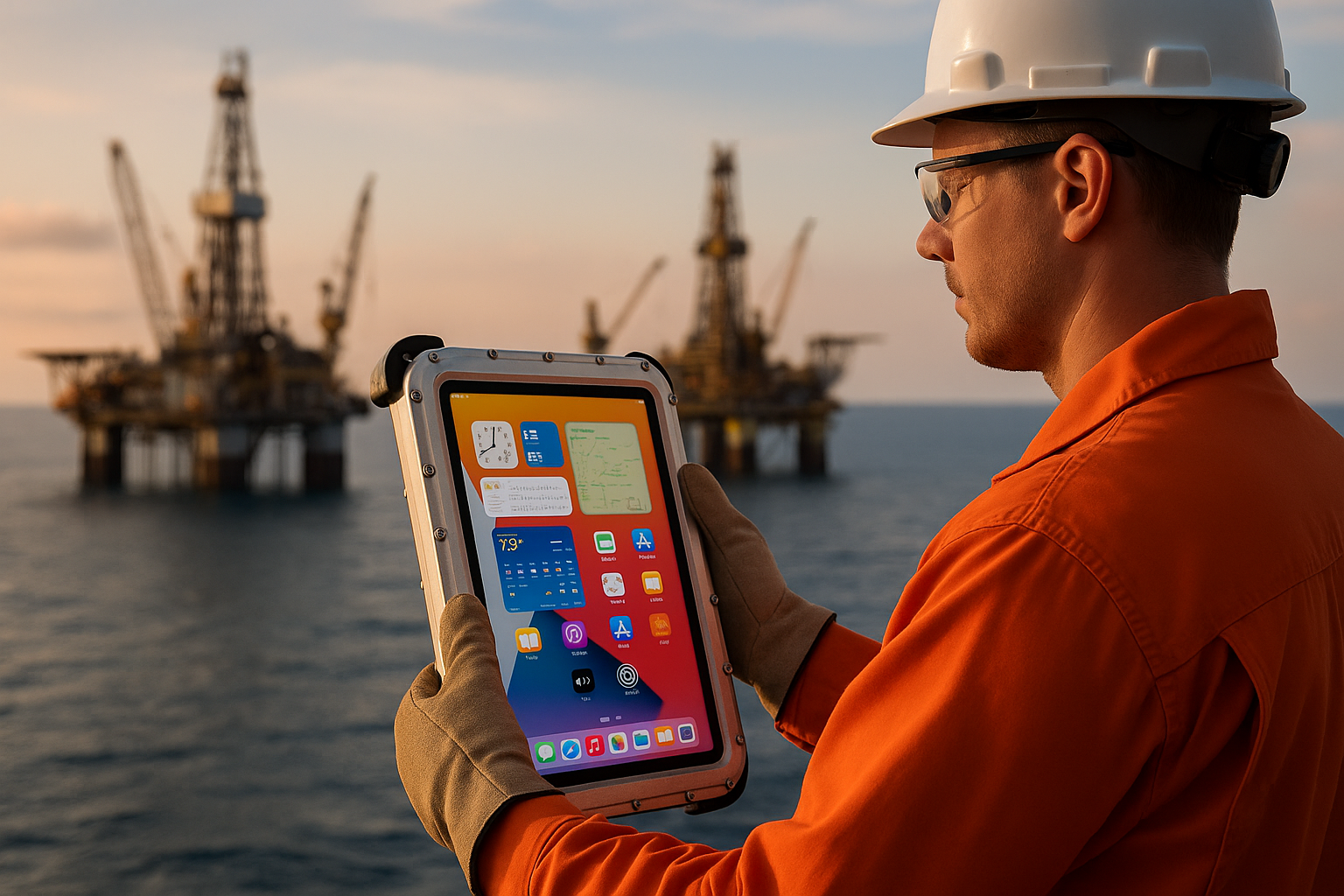
In hazardous industrial environments—such as oil refineries, chemical plants, or mining sites—safety is not just a priority; it’s a necessity. Tablets have become indispensable tools for communication, inspection, and data collection, but using them in explosive atmospheres demands specialized protection. That’s where an explosion-proof tablet case comes in.
Ready to shop instead of comparing specs? Browse our full catalog of certified, in-stock intrinsically safe tablet cases — by device, zone rating, and industry.
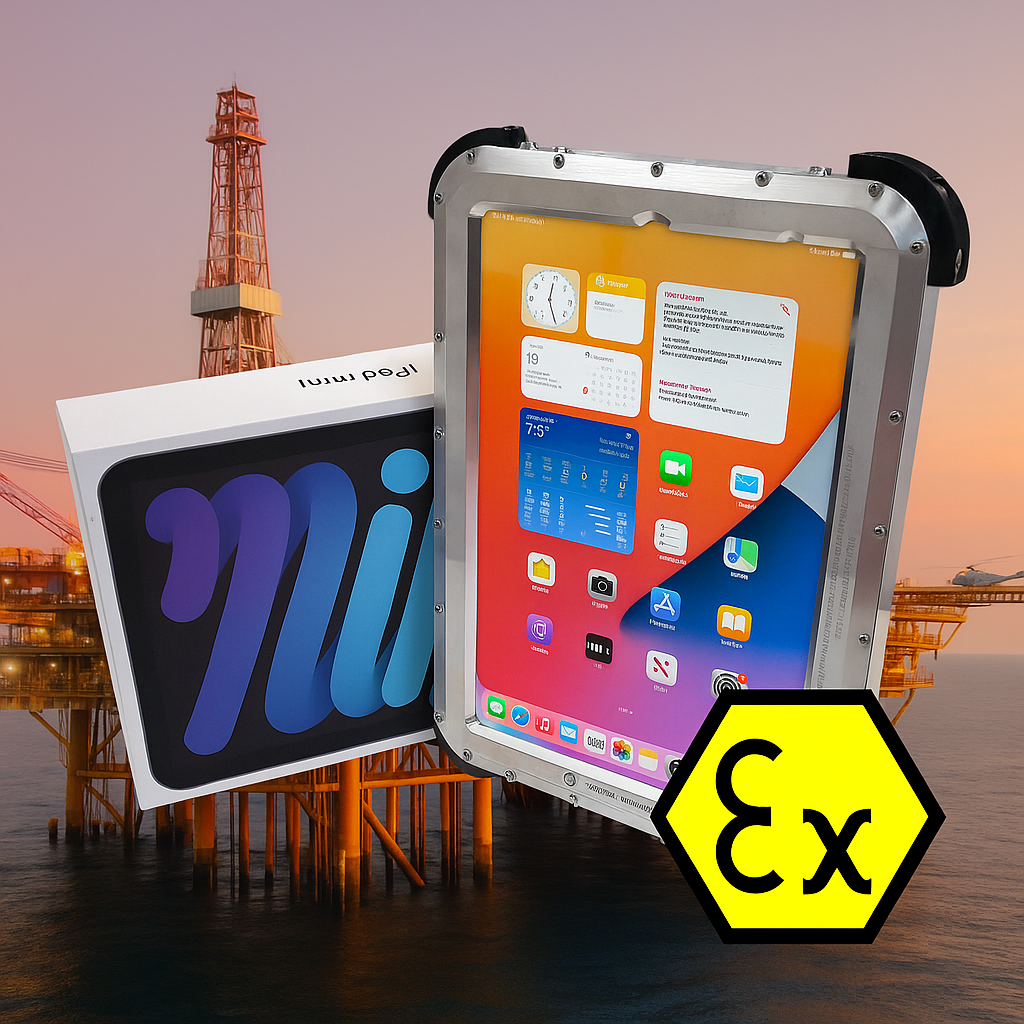
These rugged, ATEX and IECEx certified enclosures allow standard tablets like the iPad Pro, iPad Air, and iPad Mini to be safely used in Zone 1 or Zone 2 hazardous locations. This article breaks down the best models, pricing, certifications, and how to request a custom quote (RFQ) for your organization’s specific compliance needs.
What Is an Explosion-Proof Tablet Case?
An explosion-proof tablet case (also known as an intrinsically safe tablet case) is a protective housing that allows a regular tablet to operate safely in environments with flammable gases, vapors, or dust. Instead of modifying the internal electronics of the device, these cases isolate ignition sources and prevent sparks or heat from reaching the surrounding atmosphere.
Each case must meet ATEX (Europe) or IECEx (global) certification standards that define its safety level and the type of explosive environment it can withstand.
Why Are Explosion-Proof Tablet Cases Important?
Using a non-certified tablet in a hazardous area could lead to catastrophic consequences. Explosion-proof tablet cases:
-
Prevent device-generated sparks from igniting surrounding gases.
-
Allow standard consumer tablets to be safely deployed in ATEX/IECEx Zones.
-
Significantly reduce costs compared to buying custom-built intrinsically safe tablets.
-
Protect against shock, dust, and liquid ingress (typically rated IP64–IP67).
These benefits make explosion-proof tablet cases a smart and scalable solution for industrial digitalization initiatives.
Which Certifications Matter for Explosion-Proof Tablet Cases?
ATEX and IECEx Explained
| Certification | Region | Description | Common Zones |
|---|---|---|---|
| ATEX | European Union | Ensures equipment safety in explosive atmospheres | Zone 1, Zone 2 |
| IECEx | International | Equivalent to ATEX, recognized globally | Zone 1, Zone 2 |
| Class I, Division 2 (C1D2) | North America | For areas where explosive gases are present under abnormal conditions | Division 2 |
Many explosion-proof cases available at Intrinsically Safe Store are dual certified (ATEX Zone 2 and C1D2), ensuring compliance across multiple markets.
ATEX vs IECEx Explained
What is Class I, Div 1?
Intrinsically Safe vs Explosion-Proof
ATEX Zone 1 Tablets (2025)
What Are the Best Explosion-Proof Tablet Cases Available?
Below is a comparison of top-rated models available from Intrinsically Safe Store, designed for various iPad generations and use cases.
Comparison Table: Explosion-Proof iPad Cases
| Model | Compatible Tablet | Certification | Zone | Price (USD) | Case Type | Best For |
|---|---|---|---|---|---|---|
| Xciel iPad 10.9” 10th Gen Case | iPad 10.9” (10th Gen) | ATEX Zone 2, C1D2 | Zone 2 | $1,790.00 | Rugged hard case | Field technicians |
| Intrinsically Safe iPad 10.2in 9th Gen Case | iPad 10.2” (9th Gen) | ATEX Zone 2 | Zone 2 | $1,930.50 | Sealed polycarbonate | Maintenance teams |
| Xciel iPad Mini 6 Case | iPad Mini 6 | ATEX Zone 2 | Zone 2 | $1,734.50 | Lightweight, portable | Compact field data entry |
| Intrinsically Safe iPad Air 10.9” 4th Gen Case | iPad Air 10.9” | ATEX Zone 2 | Zone 2 | $1,857.46 | Heavy-duty aluminum | Supervisors and engineers |
| Intrinsically Safe iPad Pro 11in Case (2024) | iPad Pro 11” (2024) | ATEX Zone 2 | Zone 2 | $1,930.50 | Rugged enclosure | Industrial inspections |
| Atexxo Intrinsically Safe iPad Pro 11 | iPad Pro 11” | ATEX & IECEx | Zone 2 | $3,530.00 | Factory-sealed enclosure | Offshore oil, petrochemical |
| Intrinsically Safe Case for iPad Pro 11in (3rd Gen) | iPad Pro 11” (3rd Gen) | ATEX Zone 2 | Zone 2 | $1,925.00 | Sealed case | Construction & energy sectors |
Best Choice by Industry
| Industry | Recommended Case | Reason |
|---|---|---|
| Oil & Gas | Atexxo Intrinsically Safe iPad Pro 11 | Dual certification for global compliance |
| Chemical Manufacturing | Xciel iPad 10.9” Case | ATEX + C1D2 rated |
| Utilities & Energy | Intrinsically Safe iPad Air 10.9” Case | Balanced ruggedness and portability |
| Mining & Heavy Industry | Intrinsically Safe iPad Pro 11in Case | Shock and dust resistance |
| Field Service / Maintenance | Xciel iPad Mini 6 Case | Lightweight, ergonomic, easy to handle |
| Aviation & Maintenance | Atexxo iPad Mini 6 | Compact, ATEX Zone 2 rated for line maintenance checks |
What Does “Zone 2” Mean for Explosion-Proof Tablets?
Zone 2 refers to an area where explosive atmospheres are unlikely to occur during normal operations but may happen occasionally.
Explosion-proof tablet cases for ATEX Zone 2 applications are ideal for:
-
Refineries (control rooms, inspection zones)
-
Offshore drilling platforms
-
Petrochemical storage areas
-
Pharmaceutical and paint production facilities
For more severe environments, such as Zone 1, Intrinsically Safe Store also offers custom-built solutions upon RFQ.
How Do You Choose the Right Explosion-Proof Tablet Case?
Selecting the right case depends on three primary factors:
-
Tablet Model Compatibility – Each case is designed for a specific generation and screen size (e.g., iPad Pro 11”, iPad Mini 6).
-
Certification Requirements – Ensure the case meets your industry’s ATEX or IECEx standard.
-
Operational Environment – Consider temperature ranges, moisture exposure, and mounting needs (vehicle, handheld, or fixed).
If your facility spans multiple certification zones, choose a dual-rated (ATEX + C1D2) case for universal compliance.
4. Battery Life and Charging Options
Field operations often span full shifts or multiple days. Choose an intrinsically safe iPad with:
-
Extended battery life (8+ hours)
-
Certified charging stations or cable ports
-
Wireless charging (optional in Zone 2 models)
5. Operating System & App Support
iPads should support the latest iOS for security, compatibility, and app performance. Apps used in hazardous environments typically include:
-
Mobile CMMS (Computerized Maintenance Management)
-
Digital field inspection forms
-
GIS mapping
-
Real-time reporting dashboards
Verify that the enclosure or modification does not interfere with GPS, Wi-Fi, or camera functionality.
How Much Do Explosion-Proof Tablet Cases Cost?
Explosion-proof tablet cases generally range between $1,700 to $3,500 USD, depending on size, certification, and material.
| Price Range | Features | Typical Models |
|---|---|---|
| $1,700 – $1,900 | ATEX Zone 2, C1D2, rugged frame | Xciel iPad 10.9”, iPad Mini 6 |
| $1,900 – $2,000 | Polycarbonate body, tested seals | Intrinsically Safe iPad 10.2”, iPad Air |
| $3,000+ | Full metal enclosure, dual certification | Atexxo iPad Pro 11 |
Although more costly upfront, these enclosures extend tablet lifespan, reduce risk exposure, and provide compliance peace of mind for years.
What Accessories and Mounting Options Are Available?
Explosion-proof tablet cases can be paired with:
-
Shoulder straps or hand grips for portability.
-
Wall, vehicle, or desk mounts for fixed installations.
-
Docking stations for secure charging in non-hazardous areas.
Accessories are available upon Request for Quotation (RFQ) to ensure compatibility with specific safety requirements.
Checklist: Getting Purchase Approval from Procurement
Justifying the investment in certified equipment is a key part of your role. Use this checklist to build a strong case for procurement and get the approval you need:
- Confirm Required Certifications: Document the specific ATEX, IECEx, or Class/Div rating required for your operational areas.
- Provide Technical Specifications: Present datasheets for the selected case, highlighting its IP rating, drop-test certification (MIL-STD), and material composition.
- Calculate Total Cost of Ownership (TCO): Compare the cost of the certified case against the potential cost of an incident (downtime, fines, damages) and the cost of replacing non-rugged devices frequently.
- Show Proof of Compliance: Include the certification documents for the proposed product to demonstrate due diligence.
- Obtain a Formal Quote: Get a detailed quote from a reputable supplier like the Intrinsically Safe Store that includes warranty, support, and shipping details.
FAQs About Explosion-Proof Tablet Cases
Are explosion-proof cases available for Android tablets?
Currently, most models are designed for Apple iPads due to global demand. However, ATEX/IECEx-certified Android tablet solutions can be custom-developed upon request.
Can I use my tablet without removing it from the case?
Yes. Explosion-proof cases are engineered to allow full touchscreen, camera, and button functionality while maintaining certification integrity.
What’s the difference between explosion-proof and intrinsically safe?
“Explosion-proof” prevents ignition by containing potential sparks or flames, while “intrinsically safe” ensures the device itself cannot produce ignition energy. Many tablet cases combine both principles.
How long does certification last?
Certification is valid as long as the product remains unmodified and used within its specified conditions. Always verify compliance documents provided by the manufacturer.
Do explosion-proof tablet cases affect wireless connectivity?
No significant interference occurs; cases are designed with RF-transparent materials, ensuring stable Wi-Fi, LTE, and Bluetooth performance.
How to Request a Quote (RFQ) for Explosion-Proof Tablet Cases
Intrinsically Safe Store simplifies the purchasing process with personalized RFQ (Request for Quotation) support. Whether you need a single case or bulk deployment, the RFQ ensures tailored pricing, certification documentation, and shipping coordination.
To get started:
-
Visit the Intrinsically Safe Tablet Cases page.
-
Choose your compatible model.
-
Click “Request Quote” and include your operational zone and required quantity.
-
A specialist will provide a quote with lead time, documentation, and compliance options.
Chat Now & Get RFQ 💬
Compare Intrinsically Safe Tablets →
Call (832) 699-6726 📞
Conclusion: Invest in Safety and Efficiency
Explosion-proof tablet cases are more than protective covers—they are compliance tools that enable safe digital transformation in hazardous industries. From ATEX Zone 2 refineries to C1D2-certified maintenance environments, these enclosures allow modern tablets to thrive where safety regulations are most stringent.