

Intrinsically Safe News
Intrinsically Safe Portable Gas Detectors. Your first line of defense against harmful gases.
Introduction to Gas Detection in Hazardous Environments
Imagine working in an environment where the hazards are toxic and extremely flammable. What makes this even more dangerous is that the threat is often invisible and odorless. Gas leaks pose a significant risk to both personnel and infrastructure, making reliable detection not just a safety measure, but a necessity.
Gas leak detection methods became a critical concern after the effects of harmful gases on human health were discovered. Exposure through inhalation can cause severe health problems, potentially harming every major organ in the body. Therefore, monitoring air quality in hazardous locations is paramount for worker safety.
Early gas detection methods famously used canaries in cages, taken deep into coal mines to detect the presence of toxic gases like carbon monoxide. Thankfully, we’ve come a long way. Modern gas detection methods are far more precise, reliable, and humane.
Originally, detectors were produced to detect only a single gas. Today, modern units can detect several toxic or combustible gases simultaneously, or even a combination of both, providing comprehensive atmospheric monitoring.
Form Factors: Intrinsically Safe Portable and Fixed Gas Detectors
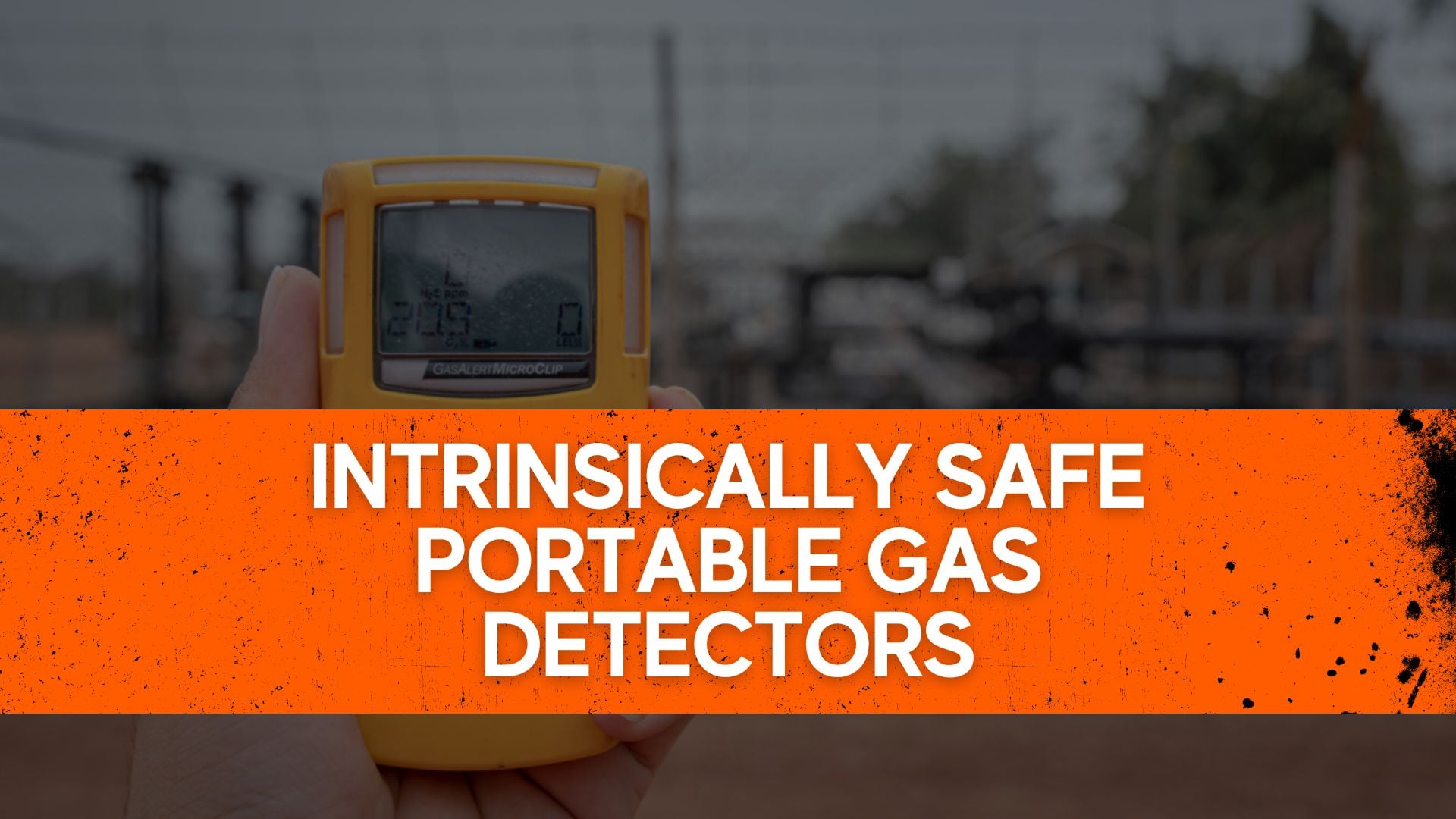
Gas detectors are available in two primary form factors: fixed and portable. While fixed gas detectors are installed permanently to monitor a specific area, our focus here is on portable detectors. Portable units are used to monitor the immediate atmosphere around personnel and are either hand-held or worn on clothing or a belt/harness. These gas detectors are usually battery-operated and transmit warnings via audible and visible signals, such as loud alarms and flashing lights, when dangerous levels of gas vapors are detected.
Key Features & Benefits of Intrinsically Safe Portable Gas Detectors
When selecting a portable gas detector for hazardous environments, intrinsic safety is a crucial feature. These devices are engineered to limit electrical and thermal energy, preventing sparks and keeping surface temperatures safely below the ignition point of hazardous atmospheres. Key features to look for include:
- Multi-Gas Detection: Real-time readings for up to four or more gases simultaneously.
- Simple Operation: One-button functionality for both operation and calibration simplifies use in the field.
- Clear Display: An easy-to-read LCD display that shows gas concentrations and battery life.
- Robust Alarms: Powerful audible, visual, and vibrating alarms to alert users in noisy environments.
- Durable Construction: A rugged and compact design built to withstand harsh industrial conditions.
- Data Logging: The ability to log data for compliance reporting and incident analysis.
The primary benefit of using these devices is enhanced worker safety. They provide immediate alerts, allowing personnel to evacuate or take corrective action before a situation becomes critical. Furthermore, using certified equipment is a critical part of achieving compliance with stringent safety standards like ATEX and IECEx regulations, helping to protect both your staff and your business by mitigating ignition risks.
The Intrinsically Safe Portable Gas Detector Line
We are proud to feature a comprehensive line of Intrinsically Safe Portable Gas Detectors. These devices are certified for use in the most demanding hazardous locations, offering reliability and peace of mind.
Find the Right Gas Detector for Your Needs
Navigating the specifications for gas detection can be complex. Ensure you have the right equipment for your specific environment and compliance needs. Our experts are here to help you select the ideal solution.
Frequently Asked Questions
What makes a gas detector “intrinsically safe”?
An intrinsically safe gas detector is designed to prevent the ignition of hazardous materials in the surrounding atmosphere. It achieves this by limiting the electrical and thermal energy of its internal circuits to a level below what is required to cause a spark or heat that could ignite flammable gases or dust. This ensures the device can be operated safely in explosive environments.
How often do portable gas detectors need to be calibrated?
Calibration frequency depends on the manufacturer’s recommendations, usage, and company policy. However, a common best practice is to perform a bump test before each day’s use to verify sensor response and alarm functionality. Full calibration is typically recommended every 3 to 6 months to ensure the device provides accurate readings.
What types of gases can these detectors identify?
Portable gas detectors can be configured to identify a wide range of gases. Single-gas detectors are calibrated for a specific gas like hydrogen sulfide (H2S) or carbon monoxide (CO). Multi-gas detectors, which are very common, can simultaneously monitor for several hazards, typically including combustible gases (LEL), oxygen (O2) deficiency, and one or two toxic gases.
Conclusion
In high-risk industries, there is no room for error. Intrinsically safe portable gas detectors are an essential component of any comprehensive safety program. By providing reliable, real-time monitoring of atmospheric hazards, these devices empower your team to work with confidence and return home safely every day. Investing in certified, high-quality detection equipment is a direct investment in the well-being of your personnel and the integrity of your operations.
Learning about a gas detector’s instrumentation can be a difficult and complex process. Rather than make the wrong decision about the type of gas detector to purchase for your facility, speak with our hazardous area specialists. By doing so, you’ll get your questions answered by an experienced and knowledgeable industry professional who can guide you to the correct solution.