Intrinsically Safe Products
Intrinsically Safe PTT Phones: 5 Top Models (2026) | ISS
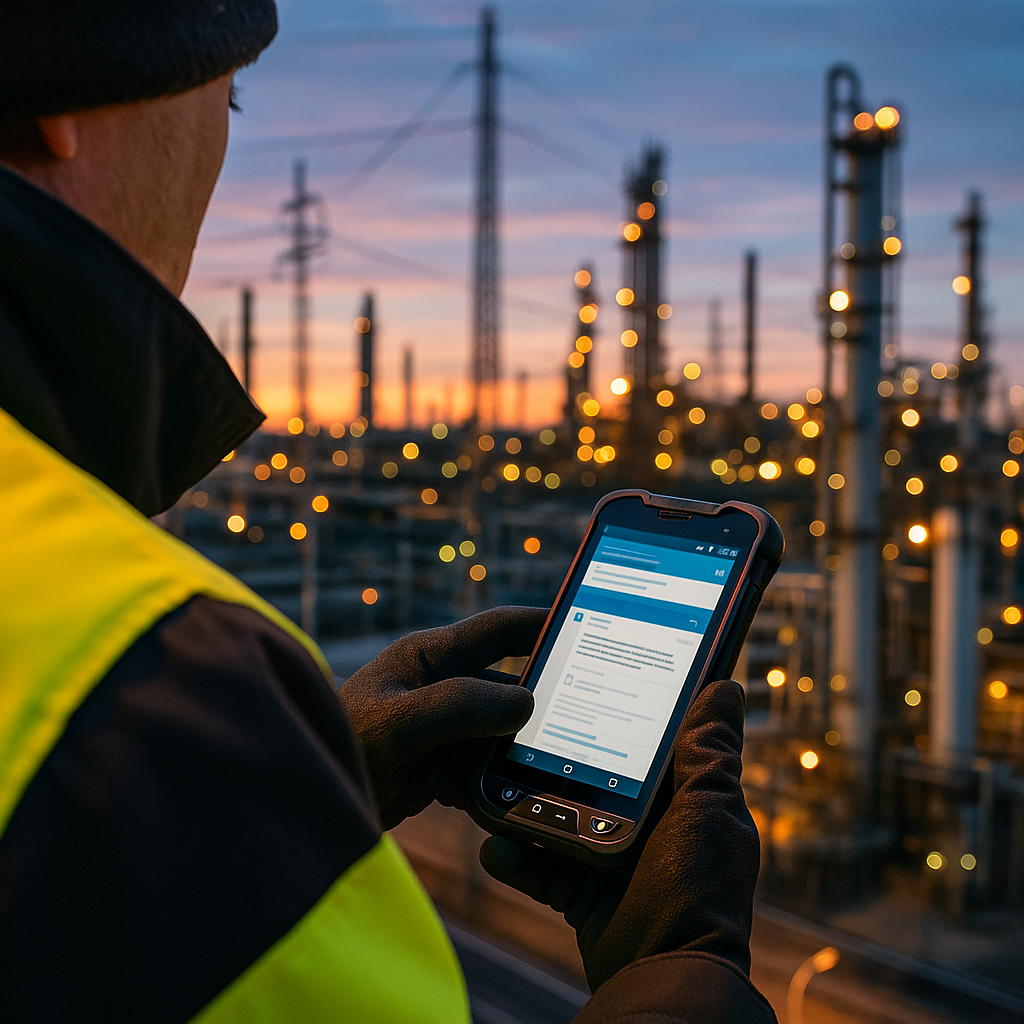
In high-risk industries like oil and gas, mining, and chemical processing, reliable communication is not just a convenience—it’s essential for safety and operational efficiency. An intrinsically safe smartphone with push-to-talk (PTT) capability bridges the gap between rugged functionality and smart communication, allowing teams to stay connected even in explosive atmospheres. In this guide, we’ll explore the top intrinsically safe smartphones with PTT features, what certifications matter, and how to choose the right device for your work environment.
What Is an Intrinsically Safe Smartphone with Push-to-Talk?
An intrinsically safe smartphone with push-to-talk is a mobile device engineered to be safely used in hazardous environments where flammable gases, vapors, or dust may be present. These phones are certified to prevent sparks or high temperatures that could cause explosions, while also offering PTT functionality—enabling users to communicate instantly at the push of a button.
This integration is crucial in time-sensitive or emergency situations, allowing for real-time voice communication across teams without the delays of traditional calling.
Need a smartphone certified for explosive atmospheres?
Discover rugged PTT phones rated for ATEX Zone 1 and Zone 2 use.
Shop Intrinsically Safe PTT Phones →
Why Is Push-to-Talk Important in Hazardous Environments?
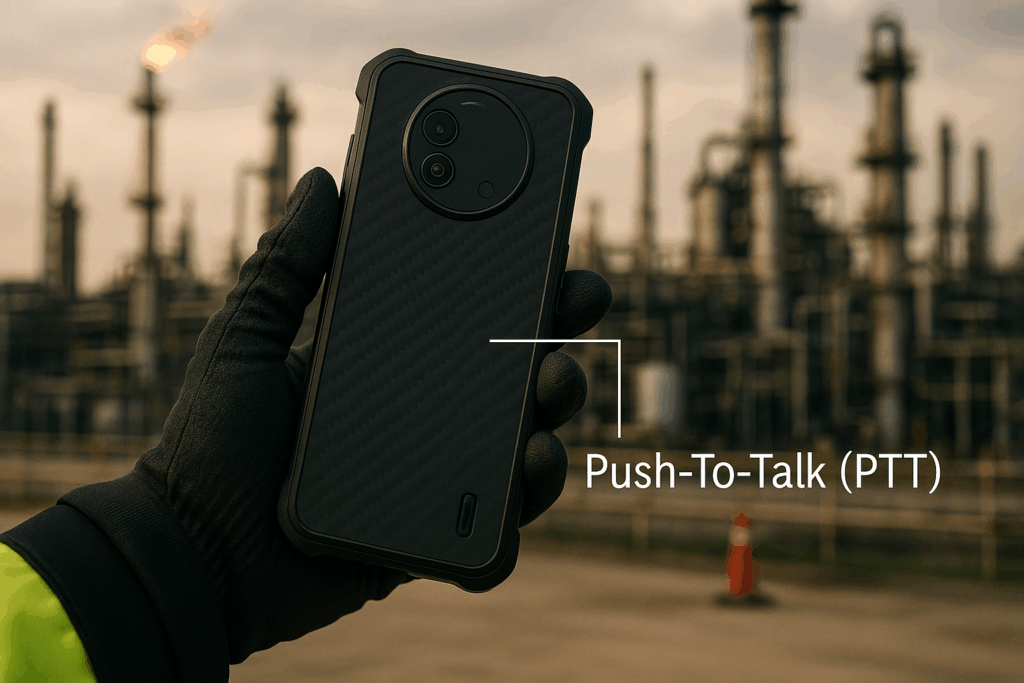
Push-to-talk is a mission-critical feature in explosive environments because it:
-
Enables instant voice communication without needing to unlock the phone or dial a number.
-
Facilitates group communication, allowing a message to reach multiple team members simultaneously.
-
Improves response times, which can be the difference between a controlled situation and an incident.
With PTT, workers can quickly report hazards, coordinate maintenance, and respond to emergencies, all while maintaining compliance with intrinsic safety regulations.
What Certifications Should These Phones Have?
When selecting a smartphone for use in a hazardous zone, certification is the first checkpoint. Look for the following:
-
ATEX (EU standard for explosive atmospheres)
-
IECEx (International certification for explosive environments)
-
UL 913 or CSA NEC500 (North American safety standards)
-
Zone Classifications:
-
Zone 1/21: Frequent presence of hazardous gases or dust
-
Zone 2/22: Occasional presence
-
Class I, Division 1 or 2 (for North American standards)
-
Always match the device certification to the level of risk in your workplace.
Learn more about ATEX and IECEx certifications → to ensure your phone meets compliance standards.
What Features Should You Look For in an Intrinsically Safe PTT Smartphone?
Here are the top features to consider:
-
Certified Intrinsic Safety: Device must be compliant with the appropriate ATEX, IECEx, or UL913 certifications for your use case.
-
Dedicated Push-to-Talk Button: Allows for instant communication without needing to navigate apps.
-
Rugged Construction: Look for IP68+ and MIL-STD-810G/H ratings for water, dust, and shock resistance.
-
Glove-Compatible Touchscreen: Essential for workers in protective gear.
-
Lone Worker Protection (LWP): Emergency alert buttons and man-down sensors improve worker safety.
-
High-Capacity Battery: Long battery life is crucial for shifts in remote areas.
-
Loud, Clear Audio: Required for use in high-noise environments.
-
Support for Major PTT Apps: Compatibility with apps like Zello, TASSTA, or Kodiak ensures communication flexibility.
Top Intrinsically Safe Smartphones with Push-to-Talk
Here’s a side-by-side comparison of leading intrinsically safe smartphones with PTT:
| Product | Certifications | Key Features | Ideal For |
|---|---|---|---|
| Sonim XP10 | IECEx Zone 2/22, MIL-STD-810G | Rugged build, dedicated PTT, glove-friendly, loud speaker | Oil & Gas, Utilities |
| Ecom Smart-Ex® 03 DZ1 | ATEX Zone 1/21, IECEx | 5G, Android 13, programmable buttons, LWP support | Mining, Petrochemical |
| i.safe MOBILE IS530.1 | ATEX Zone 1/21, CSA NEC500 | Qualcomm Snapdragon, LWP, high-resolution camera | Manufacturing, Utilities |
| Hytera PNC460U | UL913 | Push-to-video, large screen, rugged housing, Android-based | Emergency Services, Logistics |
| Uniden UR5 | IP68, MIL-STD-810H | Compact, rotary knob navigation, loud audio, Android interface | Field Services, Warehousing |
Want to compare specs or get a quote for your team?
Request Expert Help Choosing the Right Phone →
Best Choice by Industry
Oil & Gas
Best Device: Sonim XP10
Why: Extremely durable, certified for Zone 2/22 environments, and optimized for field communications in oil rigs and refineries.
Mining
Best Device: Ecom Smart-Ex® 03 DZ1
Why: Zone 1/21 rated with robust LTE/5G support for remote and underground operations.
Utilities & Manufacturing
Best Device: i.safe MOBILE IS530.1
Why: High processing power and safety features make it suitable for energy plants and industrial floors.
Emergency Services
Best Device: Hytera PNC460U
Why: Integrated video dispatch and voice PTT allow real-time incident response.
Warehousing & Logistics
Best Device: Uniden UR5
Why: Compact, rugged, and easy to operate even with gloves—great for fast-paced logistics.
Frequently Asked Questions
What does “intrinsically safe” mean?
An intrinsically safe device is one that’s designed to operate in potentially explosive environments without generating sparks or heat that could ignite gases or dust.
Can I use a regular smartphone with a PTT app in a hazardous zone?
No. Standard smartphones are not certified for hazardous areas and could pose a serious ignition risk. Only certified intrinsically safe smartphones should be used.
Are intrinsically safe smartphones compatible with apps like Zello?
Yes. Many models support Android-based PTT apps such as Zello, TASSTA, and Kodiak, giving you flexibility in choosing a communication platform.
Do these phones include other features like GPS and cameras?
Absolutely. Most intrinsically safe smartphones now include features such as GPS, high-resolution cameras, and barcode scanning—while still complying with safety standards.
How do I know which device is right for my team?
Match the device’s safety rating (e.g., ATEX Zone 1/21 or Zone 2/22) to your workplace requirements. Then, look at your communication needs (group calls, video dispatch, LWP) to determine the best fit.
Still unsure which device fits your operations?
Schedule a Call with Our Experts →
Conclusion
Choosing the right intrinsically safe smartphone with push-to-talk can significantly improve communication and safety in hazardous environments. Whether you’re in oil and gas, mining, or industrial manufacturing, the right device ensures seamless collaboration and faster incident response without compromising on safety certifications.
Ready to equip your team?
Explore our full range of intrinsically safe smartphones with push-to-talk features in our certified product catalog. Our experts can help you choose the right model based on your environment, compliance needs, and communication setup.