

Intrinsically Safe Knowledge Base
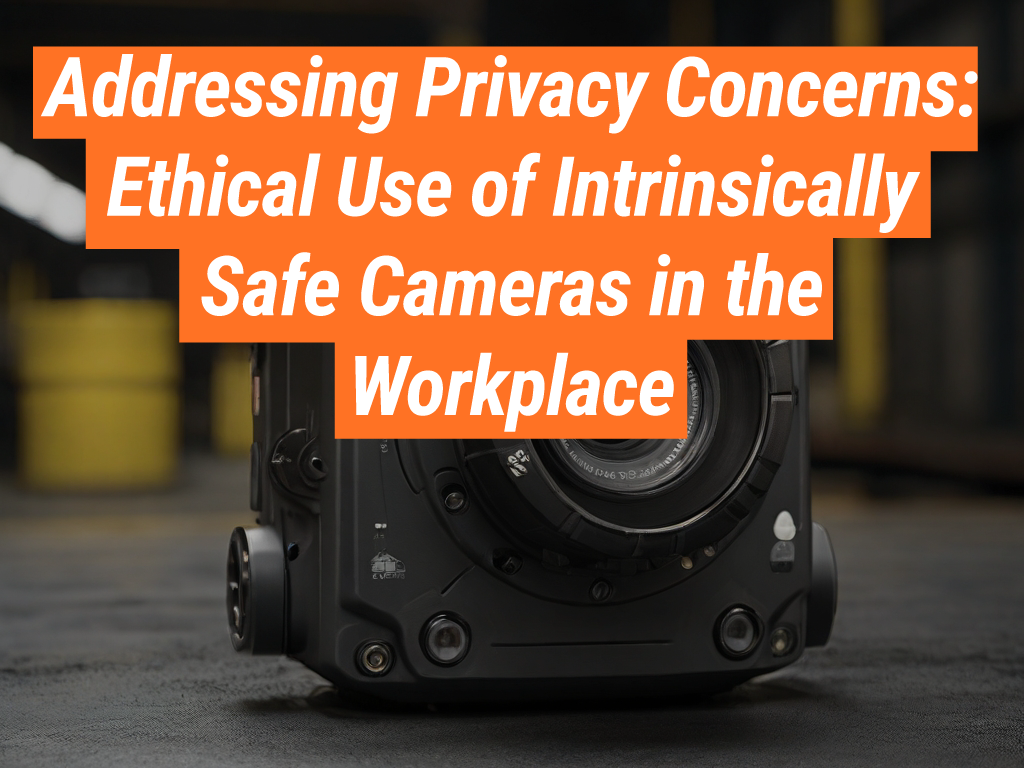
Privacy Concerns: Ethical Use of Safe Cameras in Workplaces
Introduction
Privacy concerns are at the forefront of the debate surrounding the implementation of intrinsically safe cameras in the workplace. Businesses striving to enhance security measures and monitor operations for safety must not overlook the ethical considerations and legal responsibilities associated with such surveillance technologies. This article explores how to balance the critical need for safety in hazardous environments with the fundamental right to employee privacy.
Understanding Intrinsically Safe Cameras
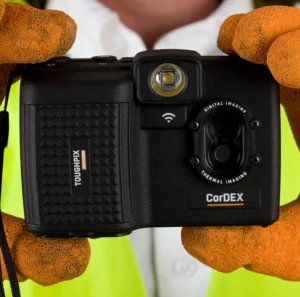
Designers engineer intrinsically safe cameras to operate safely in hazardous areas where traditional cameras may pose a risk. They specifically design these cameras to prevent the ignition of flammable gases or dust by ensuring their electrical and thermal energy remains below dangerous levels. This feature makes these cameras ideal for various industries, including oil and gas, chemical, mining, and more. However, the use of these cameras brings up significant privacy concerns that need addressing.
Key Features & Benefits of Intrinsically Safe Cameras
Beyond their primary function of preventing explosions, intrinsically safe cameras offer several advantages crucial for operations in hazardous environments:
- Spark and Heat Prevention: Their core design limits electrical energy to a level below that required to ignite flammable atmospheres, preventing sparks or hotspots from causing an ignition.
- Regulatory Compliance: These cameras are certified to global standards like ATEX and IECEx, ensuring they meet strict safety requirements for hazardous area operations. Discuss your compliance needs with one of our experts to ensure proper certification for your specific hazardous location (e.g., Zone or Class/Division).
- Enhanced Durability: In addition to their electrical safety certifications, these cameras are often built with enhanced durability to withstand harsh industrial conditions, featuring high IP ratings for dust and water ingress, and robust housings for impact resistance.
- High-Quality Imaging: Despite their robust safety features, these devices do not compromise on performance, providing high-resolution video and images for effective monitoring, process control, and diagnostics.
Privacy Concerns in the Workplace
While intrinsically safe cameras are essential for safety and security, they can also infringe on employees’ privacy if not used ethically. People are concerned about potential misuse of footage, constant surveillance, and the feeling of being watched, which can lead to decreased morale and productivity.
Case Study: Ethical Use of Surveillance Cameras
A 2018 survey by the American Management Association found that while 78% of employers use surveillance to prevent theft or productivity loss, only 7% use it to spy on employees. This highlights the importance of using surveillance ethically and transparently.
Addressing Privacy Concerns
Addressing privacy concerns involves a balance between ensuring safety and respecting employees’ privacy. Here are some strategies:
- Transparent Policies: Communicate clearly the purpose of the cameras, what areas are monitored, and how you will use the footage. This should be part of the official company policy.
- Limit Surveillance: Use cameras only in areas where safety and operational security are a primary concern. Avoid placing them in private spaces like restrooms, locker rooms, or break rooms.
- Secure Storage: Ensure you store the footage securely with encrypted and access-controlled systems, accessible only to authorized personnel for legitimate, documented purposes.
Statistics: Privacy and Surveillance
General surveys indicate that many employees accept workplace surveillance if used to enhance safety. However, surveillance in private areas makes 67% of them uncomfortable. This highlights the importance of using intrinsically safe cameras ethically.
Frequently Asked Questions
What makes a camera “intrinsically safe”?
An intrinsically safe camera is designed with circuitry that limits electrical and thermal energy to levels below what is required to ignite a specific hazardous atmospheric mixture. This prevents sparks and hotspots, making it safe for use in explosive environments like those found in the oil and gas or chemical processing industries.
Can these cameras be used in non-hazardous areas?
Yes. While specifically engineered for high-risk zones, their robust construction and high-quality imaging make them excellent for any industrial or high-security surveillance application where durability and reliability are paramount.
How can a company ensure employee privacy is respected when using workplace cameras?
The best practice is a multi-faceted approach: establish a clear and transparent surveillance policy, only install cameras in non-private, operation-critical areas, secure all footage with strict access controls, and clearly communicate the purpose of the surveillance to all employees.
Conclusion: Balancing Safety and Privacy
While intrinsically safe cameras are crucial for workplace safety, it’s equally important to respect employees’ privacy. By implementing transparent policies, limiting surveillance to necessary areas, and ensuring secure storage of footage, employers can strike a healthy and effective balance between operational safety and individual privacy.
At Intrinsically Safe Store, we are committed to providing you with the safest and most secure equipment. We understand the importance of privacy and are here to help you navigate these concerns. Talk to a hazardous-area specialist about your surveillance needs today for more information on our range of certified intrinsically safe cameras and other safety equipment.