Intrinsically Safe Knowledge Base
Top ATEX-Certified Handheld Terminals for Field Teams
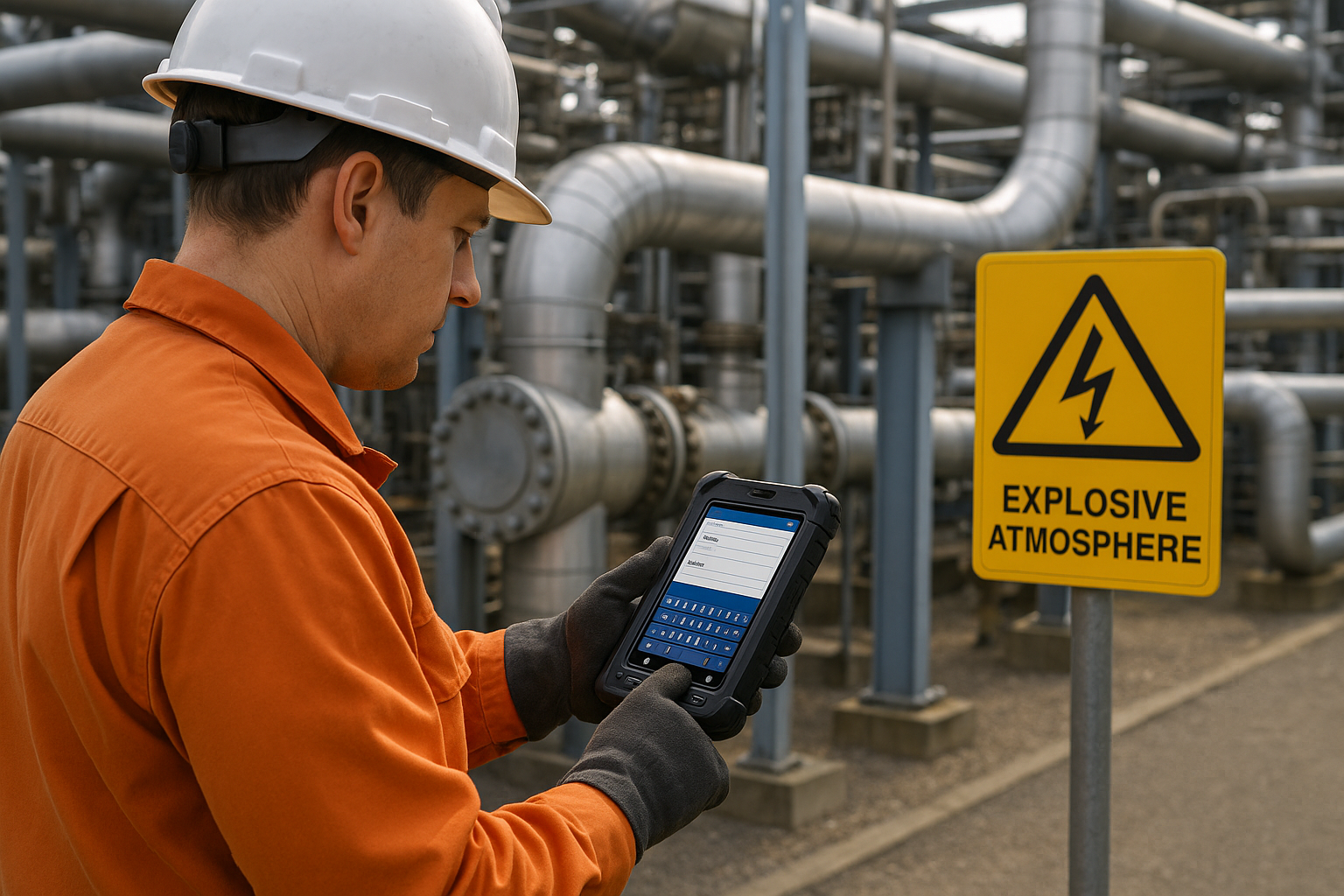
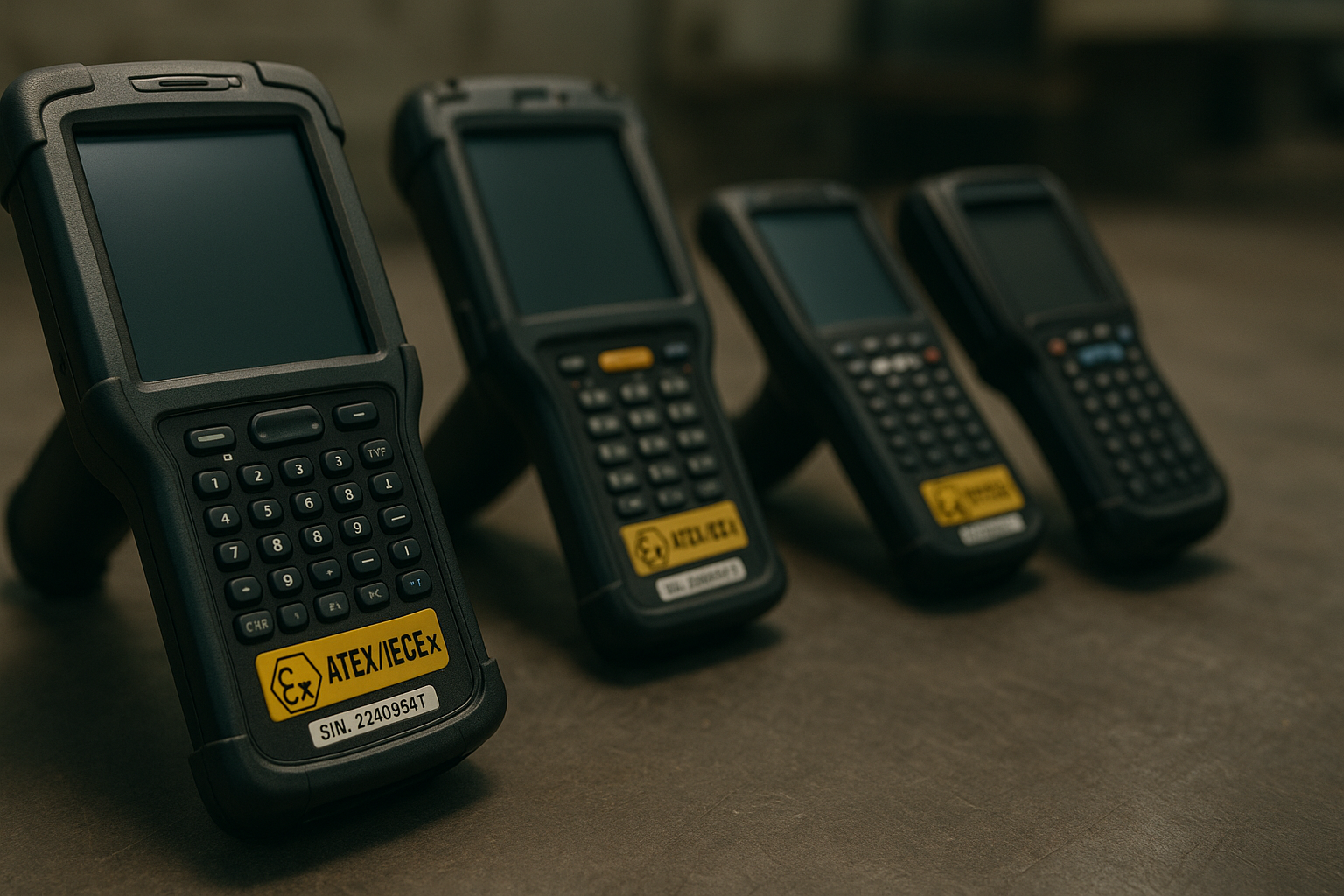
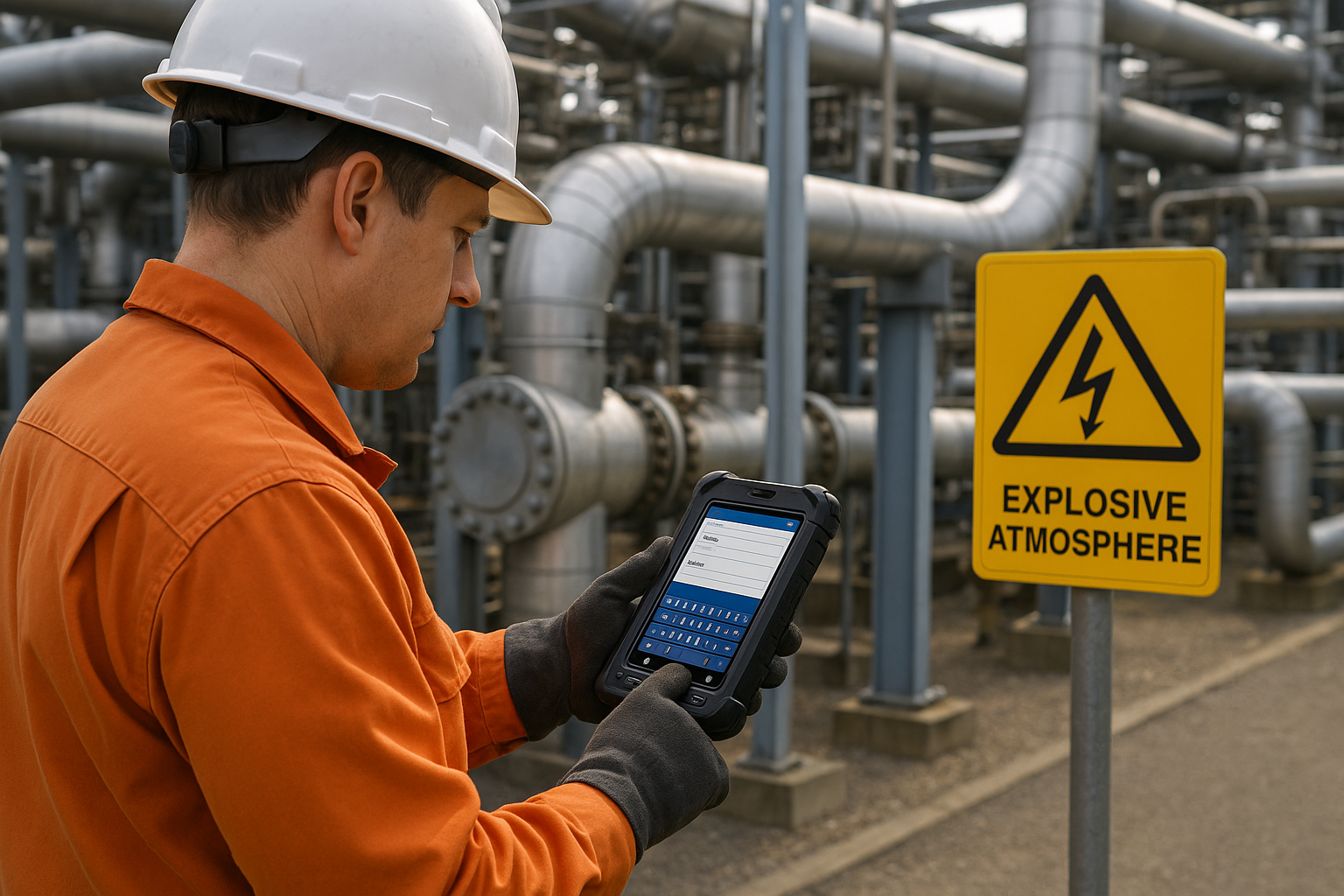
When field teams operate in oily or hydrocarbon-rich environments, choosing the right ATEX-certified handheld terminal is essential for safety and productivity. This guide outlines the key selection criteria, common trade-offs, and maintenance practices to keep terminals compliant and reliable. We include benchmarks for device durability, explosion protection levels, connectivity options, and practical deployment recommendations so maintenance supervisors and procurement teams can make informed choices.
Clarify Zone & Division Ratings
Confused by the difference between Zones and Divisions? Read our comprehensive guide to ensure your equipment is compliant with site-specific safety standards.
Why ATEX Certification Matters for Handheld Terminals
ATEX certification verifies that a handheld terminal has been designed and tested to operate safely in explosive atmospheres. In oily environments where hydrocarbon vapours may be present, a device that is not ATEX-certified can present an ignition source due to sparks, hot surfaces, or electrical faults. Beyond the certification mark, evaluate the device’s protection concept (e.g., intrinsic safety (ia/ib) vs. flameproof (d)), ingress protection rating (IP), and temperature class—these determine where devices can be used and under what operational conditions. Consider the terminal’s sealing, connectors, battery enclosure, and the availability of certified accessories like leather holsters and charging cradles that preserve the ATEX rating during routine use. Training field crews on correct handling, charging protocols, and inspection before entering classified zones is equally important to ensure ongoing compliance.
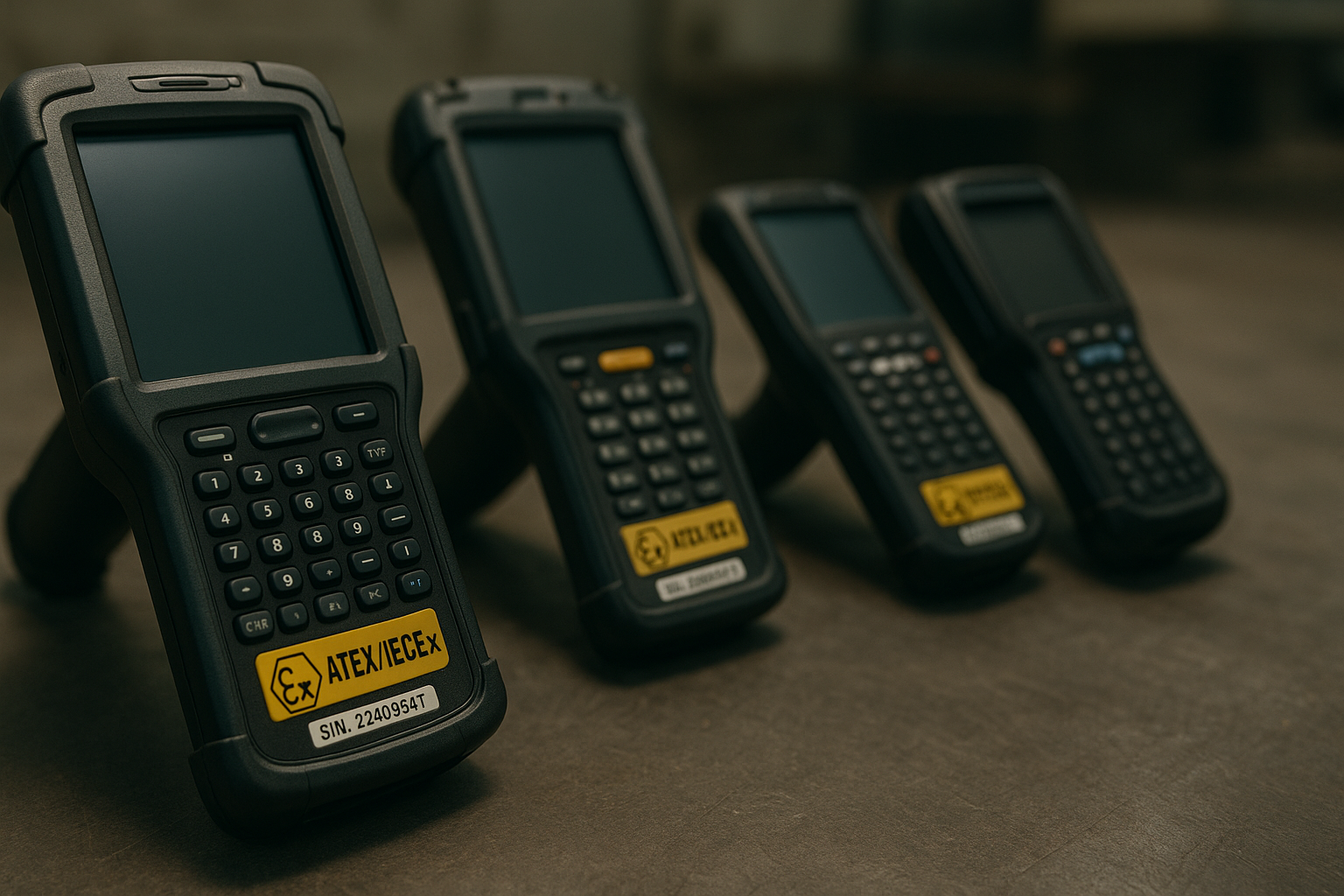
Top Handheld Computers Comparison
| Product | Price | Key Advantage | Link |
|---|---|---|---|
| Zebra MC9400 Long Range | $4,270.86 | Premium long-range scanning for large industrial facilities. | View Details |
| Janam XT3 Mobile Computer | $2,332.22 | Rugged smartphone design with high-speed processing power. | View Details |
| Bartec TC26ex-NI | $2,106.00 | Cost-effective for ATEX Zone 2 / Class I Div 2 areas only. | View Details |
Find the Right Certified Handheld for Your Site
Explore our selection of ATEX Zone 1 and Zone 2 certified handheld computers designed for maximum durability in hazardous environments.
Selecting the Right Protection Concept
When selecting a device, balance protection concept, functionality and total cost of ownership. Intrinsic safety (Ex i) is common for handhelds—designs control energy so sparks and hot spots cannot cause ignition. Flameproof enclosures (Ex d) are more common for fixed equipment and are heavier; they provide a different trade-off between durability and weight. For oily environments, a device’s IP rating should be verified to prevent liquid ingress, and its temperature class (T-rating) must align with the requirements specified in site-specific hazardous area classification documents. Evaluate certified chargers and spare batteries; uncertified charging stations can void a device’s ATEX rating and introduce risk.
Deployment Best Practices
Deploy terminals with a clear set of procedures: pre-shift visual checks, bump checks for radios and sensors (if present), designated charging areas outside classified zones, and documented repair/replacement flows. Maintain a register of serial numbers and ATEX markings to quickly verify field compliance during audits. Train supervisors to look for damaged seals, cracked housings, corrosion and tamper-evidence. Use ruggedised cases and certified straps to reduce mechanical damage. Schedule periodic audits of accessory compatibility and firmware updates to ensure cybersecurity patches do not compromise ATEX certifications—coordinate with vendors for certified field upgrades where necessary.
Connectivity and Data Integration in Hazardous Areas
An effective handheld terminal must provide reliable connectivity. Evaluate options for Wi-Fi (e.g., Wi-Fi 6 for lower latency), cellular (4G/5G for wide-area coverage), and Bluetooth for connecting to peripherals like printers and sensors. Ensure the device’s antenna performance is robust enough for industrial environments with significant metal infrastructure. Seamless integration with your enterprise systems, such as CMMS, ERP, or asset management software, is critical for real-time data capture and workflow automation. Check for vendor support for APIs, SDKs, and mobile device management (MDM) platforms to simplify deployment and security.
Evaluating Total Cost of Ownership (TCO)
The initial purchase price of an ATEX-certified terminal is only one component of its total cost. A comprehensive TCO analysis should include the cost of certified accessories (spare batteries, multi-bay chargers), extended warranties, and authorized service plans. Factor in the expected battery lifecycle and replacement costs, as using uncertified batteries will void the device’s safety rating. Additionally, consider indirect costs like user training and potential downtime if a device is not sufficiently rugged for the environment. A slightly more expensive but durable device often yields a lower TCO over its operational life. Explore our full range of intrinsically safe handheld computers to compare models.
Ergonomics and Usability in the Field
A terminal’s design directly impacts worker productivity and adoption. Key ergonomic factors include device weight and balance for extended use, screen readability in direct sunlight or low-light conditions, and the tactile feedback of physical keys. For oily environments, consider if the touchscreen is responsive to gloved hands and resistant to smudging. The performance of the integrated barcode scanner—its range, speed, and ability to read damaged labels—is also crucial for many applications. Field-testing a few models can reveal practical usability issues that are not apparent on a spec sheet. For more insights on device selection, visit our technical knowledge center.
FAQs
Can I use a non-ATEX rugged phone in Zone 2 if careful protocols are followed?
No. Only devices with the appropriate ATEX/IECEx marking and protection concept for the zone should be used. Administrative controls cannot substitute for certified protection in classified areas.
How do I verify a terminal’s ATEX marking?
Check the device label for zone rating (Zone 1/2), protection type (Ex ia/ib/ii), temperature class (T1–T6), and the notified body number. Keep scanned copies of certificates in your asset register.
Are there service considerations for ATEX terminals?
Yes—repairs should be performed by authorised technicians using certified parts. Using unapproved accessories or parts can void certification and introduce safety risks.
How should terminals be charged safely?
Charge only in certified charging stations or in designated safe areas outside classified zones with appropriate engineering controls. Follow manufacturer instructions for battery handling and replacement.
Do ATEX-certified devices require special firmware policies?
Firmware updates must be validated by the manufacturer for compatibility with the device’s certified safety functions. Maintain a firmware baseline and change control records.
Request a Quote via Chat
Call: 832-699-6726
Conclusion
Selecting ATEX-certified handheld terminals for oily environments requires careful attention to protection concept, IP and temperature ratings, certified accessories, and maintenance workflows. Prioritise devices with proven reliability, clear certification documentation, and vendor support for service and software updates. Use an asset register, training, and CMMS-driven maintenance schedules to keep devices compliant and operational. For a curated list of certified terminals and accessories, browse our products or read deeper technical guidance in the knowledge center.