Intrinsically Safe Products
Intrinsically Safe Flashlights: ATEX & Class I Div 1 (2026)
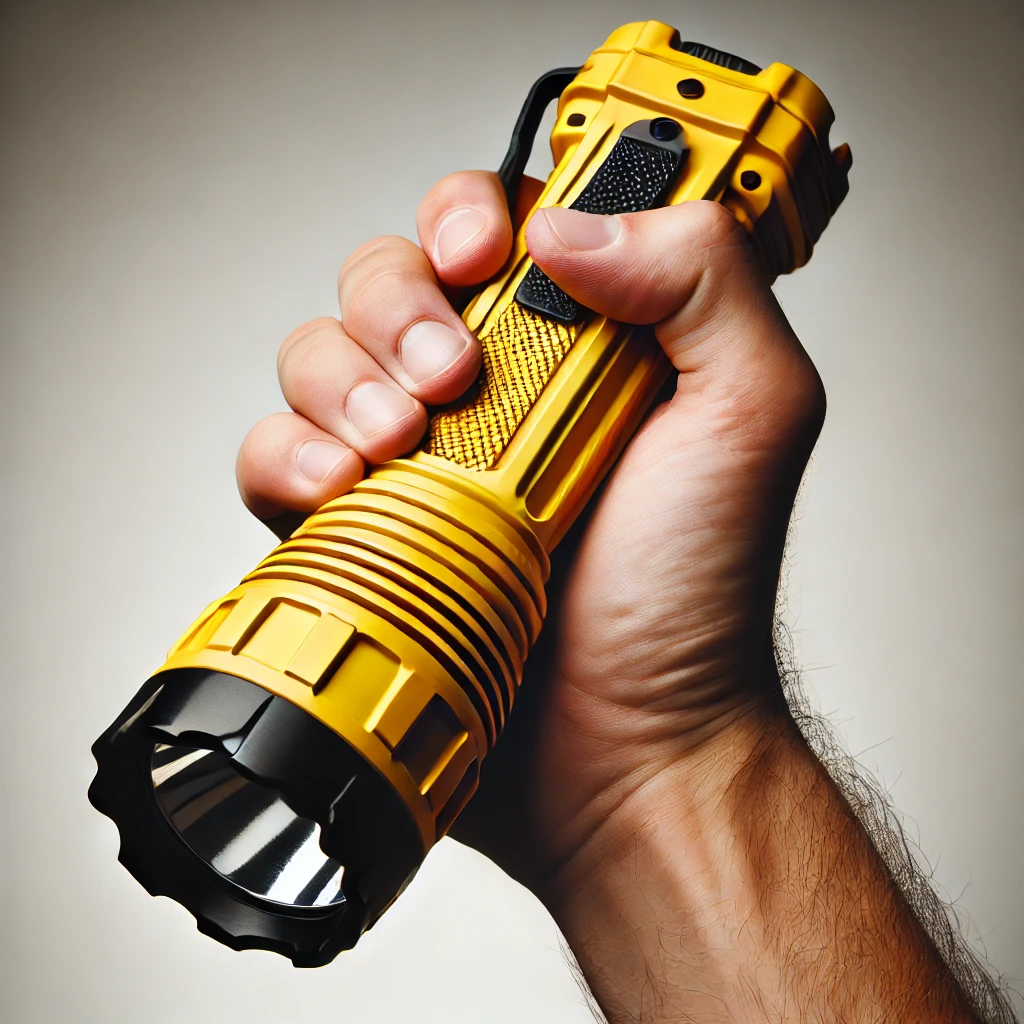
In industries such as oil and gas, mining, and chemical manufacturing, safety is paramount. One critical tool for ensuring worker protection is the intrinsically safe flashlight. These flashlights are designed to prevent ignition in environments where flammable gases, vapors, or dust may be present.
This article will cover:
- What an intrinsically safe flashlight is and why it is necessary.
- Certifications that ensure compliance with global safety standards.
- A comparison of top IS flashlights available at the Intrinsically Safe Store.
- Key features to consider when choosing a flashlight.
- Industry use cases, including oil & gas, mining, and manufacturing.
By the end, you’ll understand why IS flashlights are essential and which models best fit your needs.
Browse our collection of ATEX and IECEx-certified intrinsically safe flashlights for hazardous environments.
What Is an Intrinsically Safe Flashlight?
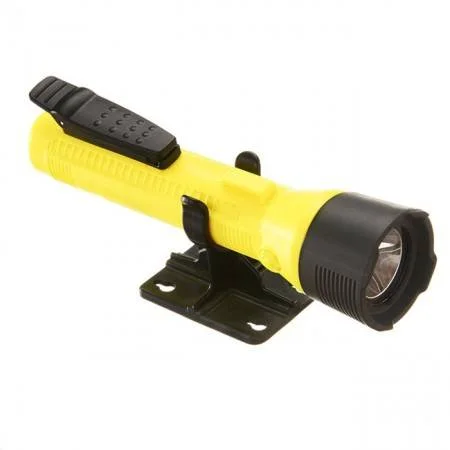
An intrinsically safe (IS) flashlight is a portable lighting device designed to operate safely in hazardous locations by preventing electrical and thermal energy from igniting flammable gases, vapors, or dust.
Why Standard Flashlights Are Unsafe in Explosive Environments
A non-IS flashlight can create a serious safety risk if it:
- Produces a spark when switched on or off.
- Generates heat that exceeds ignition temperatures of surrounding gases.
- Has a faulty battery that releases excess energy.
For these reasons, workplaces classified as hazardous locations (e.g., oil refineries, underground mines, chemical plants) require certified IS flashlights that meet strict safety standards.
Understanding Intrinsically Safe Certifications
A certified IS flashlight must meet international safety standards that regulate electrical devices used in hazardous environments. These include:
1. ATEX (Atmosphères Explosibles) – European Standard
- Required for all electrical devices used in explosive atmospheres in Europe.
- Categorizes hazardous zones as Zone 0, Zone 1, and Zone 2.
- Ensures compliance with European Directive 2014/34/EU.
2. IECEx (International Electrotechnical Commission) – Global Standard
- A globally recognized certification for equipment used in explosive atmospheres.
- Ensures compliance with IEC 60079 safety regulations.
- Accepted in multiple countries, including Australia, Canada, and Brazil.
3. Class I, Division 1 (C1D1) – North American Standard
- Specifies equipment for use in areas where ignitable concentrations of flammable gases, vapors, or liquids can exist under normal operating conditions.
- This system is defined by the National Electrical Code (NEC/NFPA 70) and is the basis for OSHA compliance requirements in the U.S.
- Covers hazardous locations classified as Class I (gases), Class II (dust), and Class III (fibers).
Using an IS flashlight with the appropriate certification ensures compliance with workplace safety regulations and minimizes risk of ignition.
What Changed: Evolving Standards and Technology
The landscape of intrinsically safe equipment is not static. Standards are periodically updated, and technology continuously improves to enhance safety and performance. Recent years have seen significant advancements in lighting technology, battery chemistry, and material science, all of which impact the design and capabilities of modern IS flashlights.
Key developments include:
- LED Technology: The universal shift to Light Emitting Diodes (LEDs) has allowed for brighter, more efficient, and longer-lasting flashlights. Modern LEDs produce less heat for their light output compared to older incandescent bulbs, a critical factor in hazardous environments.
- Battery Advancements: While alkaline batteries remain a convenient option, rechargeable Lithium-ion (Li-ion) batteries have become more common. They offer higher energy density, longer runtimes, and a lower total cost of ownership. Battery management systems within these flashlights are more sophisticated, preventing overcharging and thermal runaway.
- Material Durability: Housings are now commonly made from advanced, impact-resistant, and anti-static polymers. These materials are not only tough enough for industrial environments but also dissipate static charge, further reducing ignition risks.
Updated Comparison of Current Options
Below is an updated comparison of some of the best intrinsically safe flashlights available at the Intrinsically Safe Store. This table includes current models and highlights key specifications to help you select the right tool for your specific hazardous environment.
| Model | Certifications | Battery Type | Lumens | IP Rating | Key Features | Best For |
|---|---|---|---|---|---|---|
| Nightstick XPP-5418GX | ATEX, IECEx, cETLus | Alkaline (AA) | 200 | IP67 | Impact-resistant, chemical-resistant, waterproof | Firefighting, emergency response |
| Koehler BrightStar Razor | IECEx, ATEX, cETLus | Rechargeable Lithium-ion | 310 | IPX7 | Lightweight, durable, long battery life | Mining, confined spaces |
| Energizer Intrinsically Safe LED | ATEX, IECEx, MSHA | Alkaline (AA) | 75 | IP67 | Lightweight, waterproof, built-in carabiner | General maintenance, inspection work |
| Razor FSL Intrinsically Safe Flashlight | ATEX, IECEx, cETLus (for Class I Div 1) | 4.5V (approved batteries) | 325 | IP64 | Durable anti-static polymer housing, multiple light modes | Industrial, construction, hazardous locations |
| Pelican 3315R-RA | ATEX Zone 0, C1D1 | Rechargeable Li-ion | 132 | IP67 | Articulating right-angle head, battery level indicator | Maintenance, hands-free inspections |
Need help choosing the right C1D1 flashlight? Talk to a hazardous-area specialist today.
Key Features to Consider When Choosing an Intrinsically Safe Flashlight
When selecting an intrinsically safe flashlight, consider the following factors:
1. Certification Compliance
- Ensure the flashlight meets the necessary safety certifications (ATEX, IECEx, C1D1).
- Match certification levels with hazardous area classifications in your industry.
2. Battery Type
- Rechargeable flashlights save costs and reduce environmental impact.
- Alkaline-powered flashlights provide convenience and quick battery replacements.
3. Brightness (Lumens) and Beam Distance
- 100-200 lumens for close-range tasks.
- 300+ lumens for extended visibility in dark or confined spaces.
4. Durability and Waterproofing
- Impact-resistant and chemical-resistant materials for rugged environments.
- IP67 or IP68 ratings for protection against water and dust.
5. Size and Portability
- Compact models for easy carrying and lightweight operation.
- Larger flashlights for longer battery life and enhanced grip.
Industry Use Cases for Intrinsically Safe Flashlights
1. Oil & Gas Industry
- Pipeline inspections, offshore drilling, and refinery maintenance.
- Used in Zone 0, Zone 1, and C1D1 classified areas.
- Recommended Model: Razor FSL Intrinsically Safe Flashlight.
2. Mining & Underground Operations
- Provides safe illumination in methane and coal dust environments.
- Designed for tunnel navigation and gas detection.
- Recommended Model: Koehler BrightStar Razor.
3. Chemical & Manufacturing Plants
- Essential for hazardous material detection and machinery inspections.
- Prevents static discharge and accidental ignition.
- Recommended Model: Nightstick XPP-5418GX.
4. Firefighting & Emergency Response
- Used in hazmat operations, search-and-rescue, and fire suppression.
- High-intensity beams for visibility in smoky environments.
- Recommended Model: Nightstick XPP-5418GX.
Get a quote for your team’s flashlight needs. Contact our specialists for bulk pricing and recommendations.
Frequently Asked Questions (FAQs)
Can I use a regular flashlight in hazardous locations?
No. Standard flashlights generate sparks and heat, creating an explosion risk in flammable environments. Always use a certified IS flashlight.
How do I know if my flashlight is intrinsically safe?
Look for ATEX, IECEx, or Class I Division 1 (C1D1) certification labels. These markings confirm the flashlight meets international safety standards.
What is the best intrinsically safe flashlight for industrial work?
The Razor FSL and Nightstick XPP-5418GX are among the top choices for industrial use due to their rugged construction and reliable certification compliance.
How long do IS flashlight batteries last?
- Alkaline models: 6-12 hours, depending on brightness settings.
- Rechargeable models: Longer runtime, varying based on usage.
Are intrinsically safe flashlights waterproof?
Yes. Most IS flashlights have high IP ratings like IP67, ensuring robust water resistance for outdoor and emergency use.
How often are intrinsic safety standards updated?
Standards like ATEX and IECEx are reviewed and updated periodically, typically every few years, to incorporate new safety findings and technological advancements. It is crucial to ensure your equipment complies with the latest versions required by your industry and region.