

Intrinsically Safe Knowledge Base
Intrinsically Safe Wearables: Hazardous Areas Guide
Introduction to Wearable Technology in Hazardous Areas
As technology continues to evolve, it’s becoming increasingly integrated into our daily lives. One area where this is particularly evident is in the realm of wearable technology. From fitness trackers to smartwatches, these devices are becoming commonplace. But did you know that wearable technology is also making significant strides in hazardous areas? This is where Intrinsically Safe Store comes into play, offering a range of certified devices, from intrinsically safe wearables to explosion-proof enclosures, all designed for specific hazardous areas. These tools are critical for industries like oil and gas, chemical processing, mining, and pharmaceuticals, where operational efficiency cannot come at the expense of safety. Let’s delve deeper into this fascinating topic.
Key Features & Benefits of Wearable Technology in Hazardous Areas
Wearable technology in hazardous areas is not just a trend, but a necessity. These devices provide real-time data, enhance communication, and most importantly, improve safety. They are designed to withstand harsh conditions and are intrinsically safe, meaning they won’t ignite a spark that could lead to an explosion in a volatile environment. The core benefit lies in providing workers with hands-free connectivity and situational awareness, allowing them to perform tasks more efficiently and safely.
Real-Time Data Collection
Wearable devices can monitor environmental conditions and alert workers to potential hazards. For example, sensors can detect harmful gases or a sudden increase in temperature, allowing workers to react promptly and avoid danger. This continuous stream of data can also be used for predictive maintenance and operational analytics, helping to prevent incidents before they occur.
Enhanced Communication
Wearable technology can also facilitate communication in noisy or remote environments. Devices such as smart helmets with built-in radios and headsets allow workers to communicate effectively without removing their protective gear. This ensures clear, instant contact with control rooms and team members, which is vital during complex operations or emergency situations.
Improved Safety
Perhaps the most significant benefit of wearable technology in hazardous areas is the enhancement of worker safety. Devices can monitor vital signs, track worker location, and even detect falls, ensuring rapid response in case of an emergency. Key safety features often include:
- Man-Down and Lone Worker Alerts: Devices can automatically detect falls, impacts, or a lack of movement, sending an immediate alert to monitoring stations with the worker’s precise location.
- GPS and Geofencing: Real-time location tracking ensures workers remain within designated safe zones. Geofencing can trigger alerts if a worker enters a restricted area, preventing accidental exposure to hazards.
- Biometric Monitoring: Integrated sensors continuously track vital signs like heart rate and body temperature to prevent heat stress, dehydration, or overexertion in demanding conditions.
- Environmental Gas Detection: Many wearables feature built-in sensors that provide personal, immediate warnings for toxic or flammable gas leaks directly in the worker’s breathing zone.
Case Studies: Wearable Technology in Action
Several companies have already adopted wearable technology in their operations, demonstrating its effectiveness in enhancing safety and productivity.
BP’s Plant of the Future
BP has integrated wearable technology into its “Plant of the Future” initiative. Workers wear vests equipped with sensors that monitor heart rate and body temperature, alerting safety personnel if there are signs of heat stress or fatigue.
Shell’s Smart Helmets
Shell has introduced smart helmets for its field workers. These helmets are equipped with a visor display that provides real-time data, video conferencing capabilities, and the ability to overlay digital images onto the physical world, aiding in complex tasks.
The Role of Intrinsically Safe Store
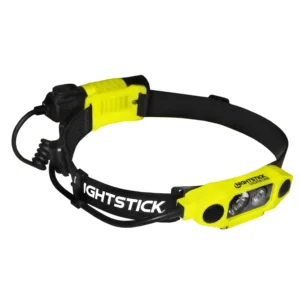
Intrinsically Safe Store is at the forefront of providing portable technology for hazardous areas. We offer a range of devices, from headlamps to headsets and smartwatches, that are designed to be intrinsically safe and explosion-proof. These devices are certified to meet rigorous global safety standards, such as ATEX and IECEx, for use in specified hazardous areas. Explore our full catalog of certified wearable technology and find the right solution for your team’s safety. For technical specifications and bulk pricing, request a personalized quote from our experts.
Frequently Asked Questions
What makes a wearable device “intrinsically safe”?
A device is intrinsically safe if its electrical and thermal energy is limited to a level below that which can cause ignition of a specific hazardous atmospheric mixture. This is achieved through careful circuit design, ensuring no sparks or hot surfaces can occur, even under fault conditions. All such devices must pass rigorous testing to receive certifications like ATEX or IECEx.
What are the most common types of intrinsically safe wearable devices?
Common devices include smartwatches, head-mounted cameras and displays (smart glasses), communication headsets, personal gas detectors, lone worker alarms, and headlamps. Each is designed for hands-free operation and durability in harsh industrial environments.
How do these wearables connect and transmit data?
Most intrinsically safe wearables use low-power wireless technologies like Bluetooth, Wi-Fi, or private LTE/5G networks to transmit data to a central control system or a worker’s certified smartphone or tablet. This allows for real-time monitoring and communication without compromising safety.
Conclusion
Wearable technology is revolutionizing safety in hazardous areas. By providing real-time data, enhancing communication, and improving safety, these devices are becoming an essential tool for workers in these environments. Intrinsically Safe Store is leading the way in providing these life-saving devices. Visit our website to explore their range of wearable technology for hazardous areas. For any queries or further information, don’t hesitate to talk to a hazardous-area specialist today.