

Uncategorized
What is an intrinsically safe antenna coupler?
Introduction to Intrinsically Safe Antenna Couplers
All devices, including antenna couplers, require proper protection when exposed to a hazardous environment where flammable gases, vapors, or dust may be present. These crucial components ensure reliable wireless communication without becoming an ignition source.
What Exactly Are Antenna Couplers?
Antenna couplers are known by many names, including antenna tuners and matching networks. This device is connected between a radio transmitter (which produces radio waves) and its antenna. Its main job is to efficiently transfer power from the transmitter to the antenna. In a hazardous location, an intrinsically safe antenna coupler performs this function while also ensuring that the electrical energy sent to the antenna is limited to a level that cannot cause a spark or generate enough heat to ignite the surrounding atmosphere.
More details regarding Antenna couplers explain their purpose. While they might seem like a minor component, their role is critical. The world is filled with various radio frequencies and wavelengths. To establish a clear and stable communication link, you need to harness the correct wavelength efficiently. Antenna couplers were created to achieve this impedance matching, ensuring the correct wavelength is used for the desired function. At the Intrinsically Safe Store, we provide certified antenna couplers designed specifically for these challenging environments.
Key Features & Benefits of Intrinsically Safe Antenna Couplers
The primary benefit of using an intrinsically safe antenna coupler is its ability to prevent explosions by limiting the electrical energy within communication circuits. This design philosophy offers several distinct advantages for operations in hazardous locations.
- Energy Limitation: The core feature is the built-in circuitry that prevents sparks and arcs. By restricting voltage and current under both normal and fault conditions, these couplers ensure the energy at the antenna is well below the ignition threshold of hazardous substances.
- Certified Safety and Compliance: We provide couplers that are ATEX and IECEx certified, which provides third-party validation that the product meets stringent global safety standards for equipment used in potentially explosive atmospheres.
- System Integrity: Features like galvanic isolation and short-circuit protection not only enhance safety but also safeguard the entire communication system from electrical faults, improving overall reliability and uptime.
- Simplified Maintenance: Unlike explosion-proof enclosures, intrinsically safe systems often allow for live maintenance (with proper authorization), reducing downtime and operational costs.
Classifications
There are many classifications that go into determining if something is intrinsically safe. On our website, we have another blog post here, which goes into detail about Class 1, Division 2 (C1 D2). The C1 D2 rating can apply to various devices, including antenna couplers, depending on the circumstances. Class 1 focuses on locations that deal with hazardous materials, such as vapors, gases, and liquids. Division 2 specifies that while these hazardous materials are present, they are typically contained within closed systems and only pose a risk in abnormal conditions, such as an accidental leak.
Looking Into an Example We Sell on Our Website
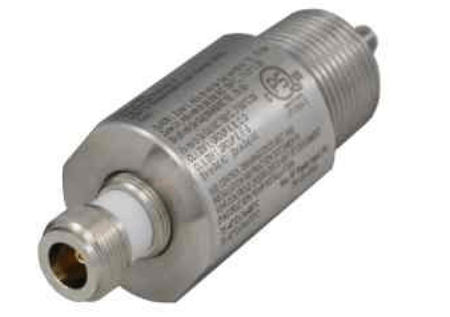
An example that we have on our website goes into depth with the reasons why an intrinsically safe antenna coupler is designed specifically for hazardous environments. This ATEX and IECEx certified coupler is designed for use in potentially explosive atmospheres.
The coupler contains certified intrinsically safe circuitry that blocks potentially dangerous electrical energy from the transmitter from reaching the antenna, ensuring the connection remains safe. Its short-circuit protection safeguards the integrity of the communication system while maintaining the safety of the hazardous location. This coupler is ATEX and IECEx certified, so this is another confirmation that this product is intrinsically safe to use. If you are interested in reading further into the specifications for this specific product, here is a link to the detail of this product’s certification. More certifications exist on the link that was mentioned at the beginning of this paragraph, reposted here for your convenience.
Need a Certified Coupler for Your Application?
Ensure your wireless communication system is safe and compliant. Our experts can help you select the right ATEX/IECEx certified antenna coupler for your specific hazardous environment.
Explosion Proof vs Intrinsically Safe
Antenna systems in hazardous areas can use other protection methods, such as placing components within an explosion-proof enclosure. This differs from an intrinsically safe coupler, which limits energy rather than containing an explosion. They differ from intrinsically safe antenna barriers because of the fundamental difference between intrinsically safe and explosion-proof design. Intrinsically safe design prevents an explosion from occurring in the first place, while explosion-proof design focuses on containing an explosion within a robust enclosure.
Frequently Asked Questions (FAQs)
What is the primary function of an intrinsically safe antenna coupler?
Its primary function is to enable safe wireless communication in hazardous areas by matching the impedance between a radio transmitter and its antenna while ensuring the electrical energy passed to the antenna is too low to cause a spark that could ignite flammable gases, vapors, or dust.
How is an intrinsically safe coupler different from an explosion-proof one?
An intrinsically safe coupler prevents explosions by limiting the electrical and thermal energy to a level below what is required to ignite a hazardous atmosphere during normal operation or fault conditions. An explosion-proof device, by contrast, is built to contain an internal explosion and prevent it from propagating to the outside environment. The core difference is prevention vs. containment.
What certifications are essential for antenna couplers in hazardous areas?
The most crucial certifications are ATEX for Europe and IECEx for international use. In North America, certifications like Class I Division 1/2 (C1/D1, C1/D2) from bodies like UL or CSA are required. These certifications guarantee the device has been tested and approved for use in specific hazardous environments.
Conclusion
Antenna couplers, while often overlooked compared to larger equipment like desktops or tablets, serve a critical purpose in any hazardous workplace that relies on wireless communication. They ensure the efficient transfer of radio waves between the transmitter and antenna. Intrinsically safe antenna couplers add a vital layer of protection, with features like energy limitation and certified safety protocols to prevent ignition in explosive atmospheres. Whether you choose an intrinsically safe or explosion-proof solution depends on your facility’s specific safety philosophy and requirements. Explore our certified antenna couplers to find the right fit for your operations.
Have Questions About Intrinsically Safe Communication?
Our team of specialists is ready to provide the expert guidance you need to ensure safety and compliance in your hazardous area operations.