

Intrinsically Safe Knowledge Base
Battery Technology: Performance Metrics and Safety
Choosing the right battery for your intrinsically safe flashlight is not just about power; it’s about maintaining safety and compliance in hazardous environments. At the Intrinsically Safe Store, we’re your one-stop-shop for safety equipment needs. This guide will walk you through the certified battery options for your intrinsically safe flashlight, ensuring reliability and adherence to strict safety standards.
Understanding Intrinsically Safe Flashlights
Intrinsically safe flashlights are designed to operate in hazardous environments where standard flashlights may cause a spark, leading to an explosion. These flashlights are essential in industries such as oil and gas, mining, and chemical processing. The type of battery used in these flashlights significantly impacts their performance and safety, as only manufacturer-approved batteries will maintain the device’s certification.
The Role of Batteries in Intrinsically Safe Flashlights
The battery is a crucial component of an intrinsically safe flashlight. It not only powers the flashlight but also contributes to its safety features. Using an uncertified battery can void the flashlight’s safety rating and introduce a significant ignition risk. Different types of approved batteries offer varying levels of performance and safety.
Alkaline Batteries
Alkaline batteries are commonly used in intrinsically safe flashlights due to their long shelf life and high energy density. They are reliable and affordable, making them a popular choice for many industries. However, they are not rechargeable, which can be a disadvantage in long-term use.
Lithium Batteries
Lithium batteries are another popular choice for intrinsically safe flashlights. They offer a higher energy density than alkaline batteries and are rechargeable. However, they are more expensive and require special handling due to their potential for thermal runaway.
Nickel-Metal Hydride (NiMH) Batteries
NiMH batteries are a rechargeable option that offers a good balance between performance and cost. They have a lower energy density than lithium batteries but are safer to handle.
Key Features & Benefits of Using Certified Batteries
Using only manufacturer-specified batteries is non-negotiable for maintaining the safety and integrity of your equipment. Here are the key benefits:
- Maintained Safety Certification: The primary benefit is that the flashlight retains its ATEX, IECEx, or Class I Division 1 rating. Any deviation voids this certification and creates a potential ignition source.
- Optimal Performance: Certified batteries are guaranteed to provide stable voltage and current, preventing flickers, premature shutdowns, or energy spikes that could damage the internal circuitry.
- Warranty Compliance: Using unapproved power sources will almost certainly void the manufacturer’s warranty, leaving you responsible for repair or replacement costs.
- Longevity and Reliability: Properly specified batteries reduce the risk of leaks or malfunctions that can damage the flashlight, ensuring your hazardous area lighting works when you need it most.
Choosing the Right Battery for Your Intrinsically Safe Flashlight
When choosing a battery for your intrinsically safe flashlight, always start with the manufacturer’s approved list. Within those options, consider the following factors:
- Energy Density: This determines how long the flashlight can operate on a single charge.
- Rechargeability: Rechargeable batteries can be more cost-effective in the long run.
- Safety: Some batteries have a higher risk of causing sparks or overheating.
- Cost: The price of the battery can significantly impact the overall cost of the flashlight.
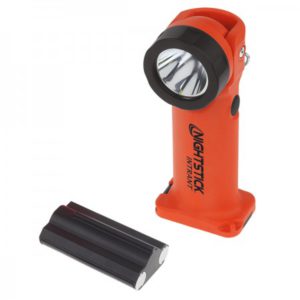
The type of battery used in an intrinsically safe flashlight plays a crucial role in its performance and safety. Alkaline, lithium, and NiMH batteries each have their advantages and disadvantages. By consulting the device manual and considering factors such as energy density, rechargeability, safety, and cost, you can choose the right certified battery for your needs.
Frequently Asked Questions
Can I use any brand of battery in my intrinsically safe flashlight?
No. You must only use the specific battery brands and models listed by the flashlight’s manufacturer in the user manual or on the device itself. Using any other battery will void its intrinsically safe certification and create a serious explosion hazard.
What happens if I use a non-approved battery?
Using a non-approved battery immediately compromises the safety of the device. It creates a risk of sparks, overheating, or electrical discharge that could ignite flammable gases, dust, or fibers in a hazardous environment. It will also void the product’s warranty.
Are rechargeable batteries better for intrinsically safe flashlights?
It depends on the application and the specific flashlight model. Rechargeable batteries are more cost-effective for frequent, heavy use but require strict adherence to certified charging procedures. Disposable alkaline batteries offer convenience and a long shelf life, making them ideal for infrequent or emergency use.
At the Intrinsically Safe Store, we offer a wide range of certified intrinsically safe flashlights and the correct battery options to suit your needs. Visit our website to explore our products or talk to a hazardous area specialist for expert guidance.