Intrinsically Safe Knowledge Base
Intrinsic Safety Guide | ATEX/IECEx/Class I Div | ISS
- Intrinsic safety is a protection technique that prevents electrical equipment from causing explosions in hazardous environments.
- It limits electrical and thermal energy to prevent ignition of flammable gases, vapors, or dust.
- Used in industries such as oil & gas, mining, pharmaceuticals, and chemical processing.
- Requires certifications like ATEX, IECEx, and UL to comply with safety standards.
What is Intrinsically Safe?
Intrinsic safety is an explosion protection method that prevents electrical circuits from releasing enough energy to ignite a hazardous atmosphere. This concept is widely used in environments where flammable gases, dust, or fibers are present, allowing electrical devices to be operated safely.
How Does Intrinsic Safety Work?
Intrinsic safety works by restricting voltage and current to levels below what is needed to ignite an explosive atmosphere. This is done through energy-limiting barriers that control the flow of electricity and prevent sparks, overheating, or other potential ignition sources.
Core Components of an Intrinsically Safe System
An intrinsically safe system is more than just a single device; it’s a carefully designed assembly of components working together. A typical system includes:
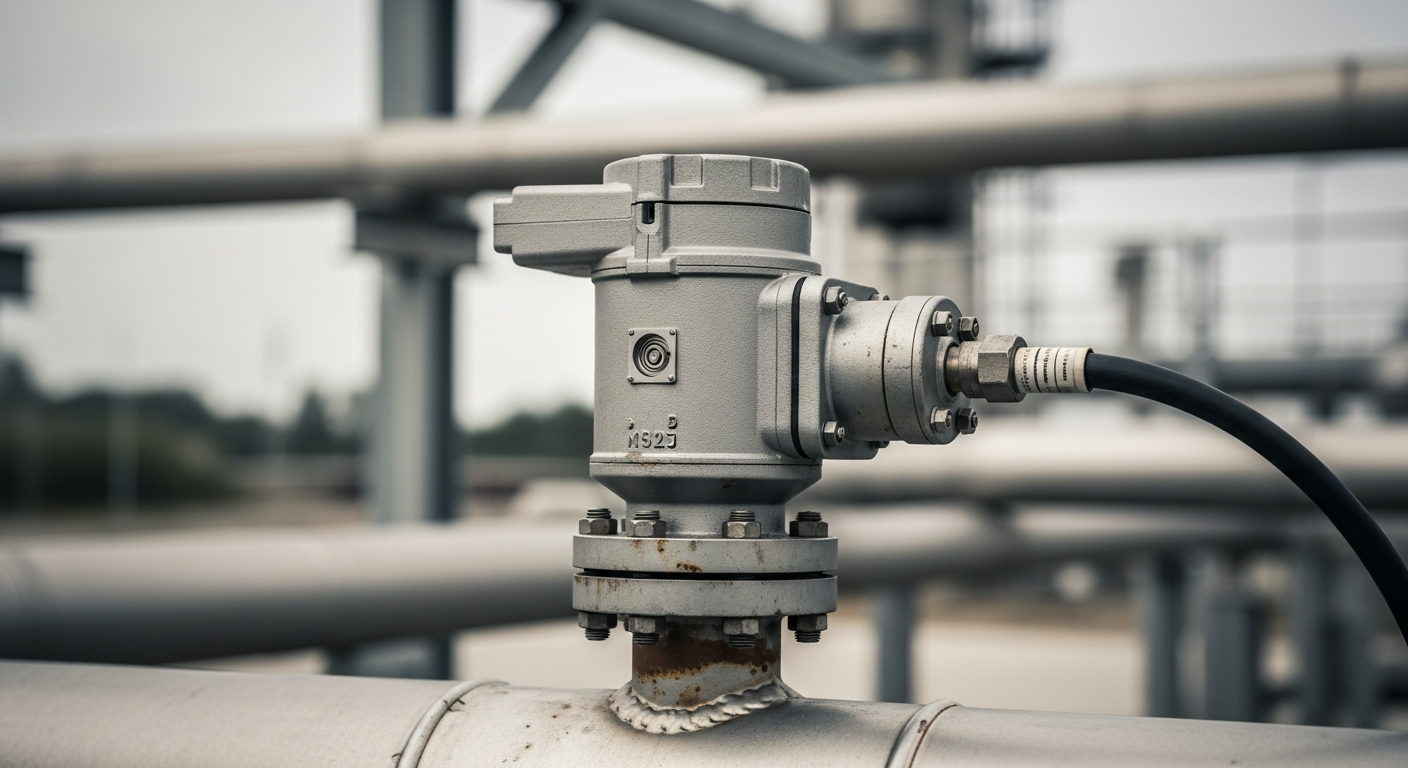
- Intrinsically Safe Apparatus: This is the device located in the hazardous area (e.g., a sensor, switch, or transmitter). It is designed to operate on very low power and not store significant energy.
- Associated Apparatus: This component, often an intrinsic safety barrier or isolator, is located in the safe area. It limits the voltage and current supplied to the hazardous area, ensuring that even under fault conditions, the energy level remains too low to cause ignition.
- Interconnecting Cables: The cables connecting the safe and hazardous area devices are also part of the system. Their capacitance and inductance must be considered to ensure the total system energy remains within safe limits.
Why is Intrinsic Safety Important?
Intrinsic safety is crucial in industries where explosive atmospheres are common. Without proper protection, electrical devices can generate sparks or heat, leading to catastrophic explosions.
Industries That Require Intrinsic Safety
- Oil & Gas – Used for gas detectors, communication devices, and control systems.
- Mining – Prevents ignition in methane- and coal-dust-rich environments.
- Chemical Processing – Ensures safe operation of sensors, controllers, and monitoring equipment.
- Pharmaceuticals – Used in manufacturing processes where volatile substances are handled.
- Manufacturing & Warehousing – Protects against combustible dust explosions.
Intrinsic Safety vs. Explosion Proof: What’s the Difference?
| Feature | Intrinsically Safe | Explosion Proof |
|---|---|---|
| Protection Method | Limits energy to prevent ignition | Contains internal explosion to prevent external ignition |
| Weight & Size | Lightweight, portable | Heavy, bulky enclosures |
| Cost | Generally lower | Higher due to robust materials |
| Application | Best for low-power devices | Used for larger, high-power equipment |
Which One Should You Choose?
- If your work involves portable, low-power devices, intrinsic safety is the better option.
- If you need heavy-duty protection for fixed installations, explosion-proof equipment may be more suitable.
Certifications & Compliance for Intrinsically Safe Equipment
For a device to be classified as intrinsically safe, it must meet international safety standards.
Common Intrinsic Safety Certifications
- ATEX (Europe) – Required for hazardous locations in the EU.
- IECEx (International) – An international certification scheme that provides a globally recognized way of demonstrating compliance with IEC standards for equipment used in explosive atmospheres.
- UL (North America) – A Nationally Recognized Testing Laboratory (NRTL) that provides certification for products used in hazardous locations, confirming they meet specific U.S. and Canadian standards (e.g., NEC Class/Division requirements).
Decoding Intrinsically Safe Markings
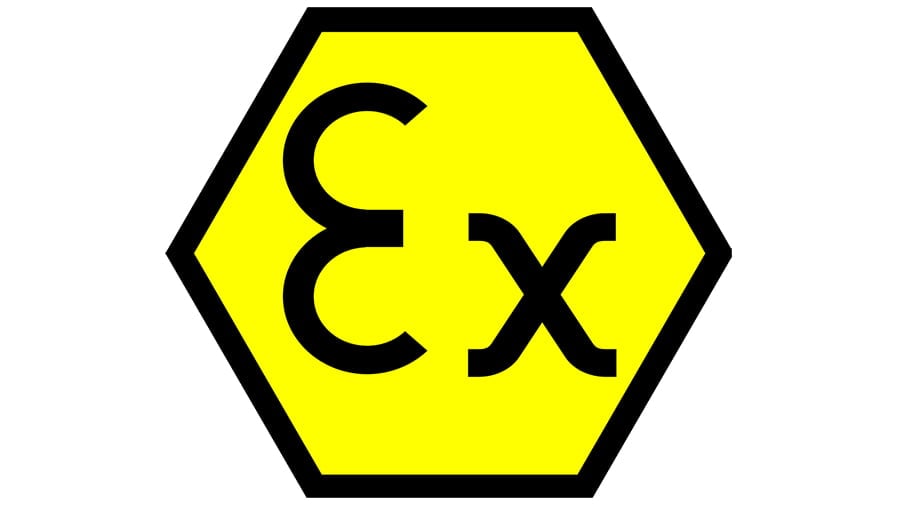
Understanding the markings on certified equipment is essential for correct implementation. For example, a marking like Ex ia IIC T4 Ga provides critical information:
- Ex: Indicates the equipment is explosion-protected.
- ia: The protection concept (Intrinsic Safety, safe with two faults).
- IIC: The gas group (suitable for IIC, IIB, and IIA environments).
- T4: The temperature class (maximum surface temperature of 135°C).
- Ga: The Equipment Protection Level (EPL), suitable for Zone 0.
When purchasing intrinsically safe equipment, always check for certified markings to ensure compliance with safety regulations.
Need Certified Intrinsically Safe Equipment?
Protecting your team in hazardous areas requires certified equipment you can trust. Our specialists can help you navigate ATEX, IECEx, and UL standards to find the right solution for your application. Talk to a hazardous-area specialist today to help you select the right certified equipment for your compliance needs.
How to Implement Intrinsic Safety in Your Workplace
- Identify Hazardous Areas – Determine zones where explosive gases or dust are present.
- Select Certified Equipment – Ensure all devices are ATEX, IECEx, or UL certified.
- Use Energy-Limiting Barriers – Install barriers that restrict current and voltage.
- Train Employees – Educate workers on safe handling of intrinsically safe equipment.
- Conduct Regular Inspections – Ensure all devices maintain compliance over time.
FAQs About Intrinsic Safety
1. What does “intrinsically safe” mean?
It refers to equipment designed to limit electrical energy to prevent ignition in hazardous environments.
2. Is intrinsically safe equipment required by law?
Yes, regulations require that equipment used in hazardous areas is appropriately certified. In the EU, the ATEX directive is law. In North America, OSHA regulations mandate compliance with standards like the NEC. Certifications from bodies like UL or acceptance of an IECEx certificate are ways to demonstrate this compliance.
3. Can any device be made intrinsically safe?
No, devices must be specifically designed and tested to meet intrinsic safety standards.
4. How do I know if my equipment is intrinsically safe?
Look for certification marks such as ATEX, IECEx, or UL on the product label.
5. What is the difference between “intrinsically safe” and “non-incendive”?
Intrinsically Safe (IS) equipment is designed to be safe even under fault conditions (one or two faults, depending on ‘ib’ or ‘ia’ level), making it suitable for Zone 0, 1, or 2. Non-incendive (Ex nA) equipment is safe only under normal operating conditions and is restricted to Zone 2 / Division 2 areas.