

Intrinsically Safe Knowledge Base
Scientific Principles Behind Intrinsically Safe Flashlights
When it comes to safety in hazardous environments, every detail matters. This includes the seemingly simple tools like flashlights. At Intrinsically Safe Store, we understand the importance of safety and the science behind it. In this article, we delve into the scientific principles behind intrinsically safe flashlight certification. We invite you to explore our website to learn more about our commitment to safety.
Introduction to Intrinsically Safe Lighting
In environments such as oil refineries, chemical plants, mining operations, and grain elevators, the presence of flammable gases, vapors, or combustible dust creates a constant risk of explosion. A single spark from standard electronic equipment can lead to a catastrophic event. This is why specialized equipment, designed under the principle of intrinsic safety, is not just recommended—it is a regulatory requirement. Intrinsically safe flashlights are a critical component of personal protective equipment (PPE) in these settings, providing essential illumination without becoming an ignition source.
What is an Intrinsically Safe Flashlight?
Designers create an intrinsically safe flashlight to operate safely in hazardous environments where flammable gases, vapors, or dust may be present. They engineer these flashlights to prevent the ignition of these substances, thus reducing the risk of explosions.
Key Features & Benefits
Beyond the primary function of preventing explosions, certified intrinsically safe flashlights offer several features and benefits tailored for hazardous-area professionals:
- Spark Prevention: The core design limits electrical current and voltage, designed to prevent the generation of sparks capable of causing ignition, even in fault conditions.
- Low Thermal Output: Surfaces are designed to remain below the auto-ignition temperature of specific hazardous materials present in the environment.
- Robust Construction: Built with durable, anti-static materials, these flashlights are often sealed to be waterproof (IP-rated) and resistant to drops and impacts, ensuring reliability in harsh conditions.
- Certified Compliance: Each flashlight is rigorously tested and certified by bodies like UL, ATEX, and IECEx, providing verified proof of its safety for specific hazardous zones or divisions. Consulting with an expert can ensure you meet all safety requirements. Contact our team for guidance.
Scientific Principles Behind Intrinsically Safe Flashlight Certification
Understanding the Concept of Intrinsic Safety
Intrinsic safety is a protection technique for safe operation of electrical equipment in hazardous areas. This concept is based on the principle of restricting the electrical and thermal energy to levels below those required to ignite a specific hazardous atmospheric mixture.
Energy Limitation
The primary scientific principle behind intrinsically safe flashlight certification is energy limitation. This involves designing the flashlight in such a way that it cannot release sufficient energy, either electrical or thermal, to ignite a hazardous atmosphere.
Temperature Regulation
Another crucial principle is temperature regulation. Intrinsically safe flashlights are designed to operate at temperatures that are safe and will not ignite the surrounding atmosphere. This is achieved through careful material selection and design.
Standards for Intrinsically Safe Flashlight Certification
There are several standards that a flashlight must meet to be certified as intrinsically safe. These include:
- ANSI/UL 913: This standard covers intrinsically safe apparatus and associated apparatus for use in Class I, II, III, Division 1, Hazardous (Classified) Locations.
- ATEX Directive 2014/34/EU: This is a European Union directive that covers equipment and protective systems intended for use in potentially explosive atmospheres.
- IECEx System: This is an international standard for the certification of equipment for use in explosive atmospheres.
Overview of the Certification Process
The certification process involves rigorous testing to ensure that the flashlight meets the required safety standards. This includes tests for impact resistance, temperature regulation, and energy limitation. Only after passing these tests can a flashlight be certified as intrinsically safe.
Frequently Asked Questions (FAQs)
What is the main difference between an intrinsically safe flashlight and a regular one?
The primary difference is the design. An intrinsically safe flashlight limits electrical and thermal energy to prevent sparks or hot surfaces that could ignite flammable materials in a hazardous environment. A regular flashlight is not designed with this protection and can be an ignition source.
How can I verify that a flashlight is genuinely certified?
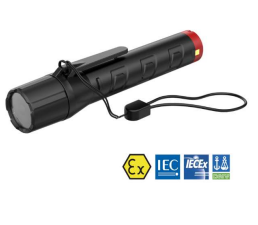
Genuine intrinsically safe flashlights have certification marks clearly printed on the device body. These marks include UL, ATEX, or IECEx logos, along with specific classification codes for the zones or divisions they are approved for. Always check for this official labeling.
Can I change the batteries in an intrinsically safe flashlight?
Yes, but you must follow the manufacturer’s specific instructions. Often, batteries must be changed in a designated safe area, not within the hazardous zone itself. Using unauthorized or incorrect battery types can void the certification and compromise safety.
Scientific Principles of Intrinsically Safe Flashlight Certification
Understanding the scientific principles behind intrinsically safe flashlight certification is crucial for ensuring safety in hazardous environments. These principles, which include energy limitation and temperature regulation, are the foundation of the design and operation of intrinsically safe flashlights. By adhering to strict safety standards, these flashlights can operate safely in potentially explosive atmospheres, reducing the risk of accidents and protecting lives.
At the Intrinsically Safe Store, we are committed to providing products that meet the highest safety standards. We invite you to explore our range of intrinsically safe flashlights and other safety equipment. For expert assistance in selecting the correct certified flashlight for your application, talk to a hazardous-area specialist today.