Intrinsically Safe Products
Explosion Proof Headlamps: Class I Div 1 Rated | ISS
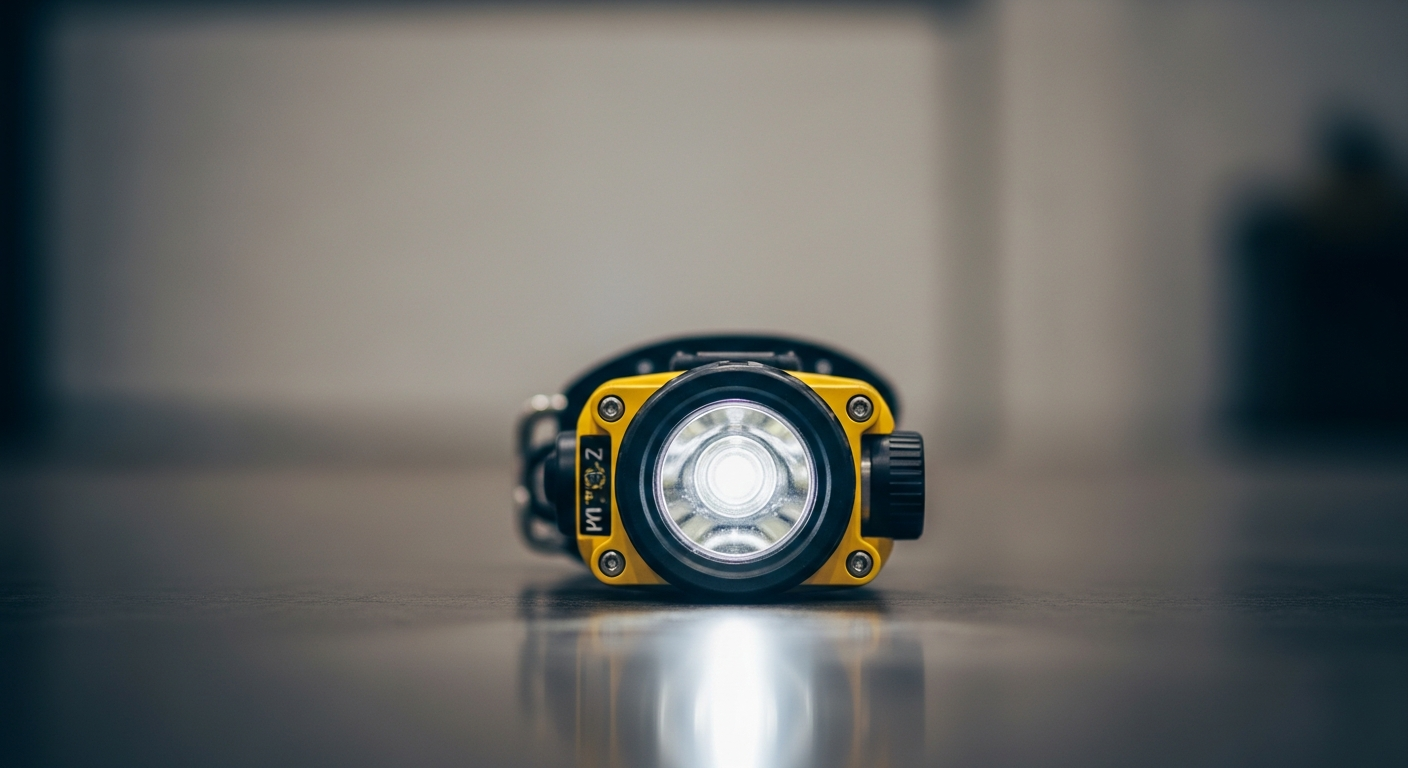
Choosing the right personal lighting for underground mining operations is a critical safety decision. The presence of flammable gases like methane or combustible dust from coal requires equipment that won’t become an ignition source. This is why selecting the best explosion proof headlamp for mining isn’t about brightness alone; it’s about certified safety, durability, and compliance. An MSHA-approved headlamp ensures that any sparks from the battery, switch, or bulb are contained, preventing explosions in these volatile atmospheres. These devices are built to withstand the harsh conditions of mining, including impacts, water ingress, and constant use, providing reliable illumination without compromising crew safety. For any mine operator or safety manager, sourcing certified headlamps is fundamental to operational safety and worker protection.
Your Complete Guide to Intrinsically Safe Headlamps
Beyond mining, many hazardous locations require certified lighting. Our guide covers the top models and certifications for all industries.
Understanding Headlamp Certifications for Mining Safety
In the United States, equipment intended for use in underground mines must meet strict standards set by the Mine Safety and Health Administration (MSHA). This certification is critical because it confirms a device is permissible and will not trigger an explosion in gaseous environments. Beyond MSHA, global standards like ATEX (for Europe) and IECEx provide similar assurances for hazardous locations. When evaluating the best explosion proof headlamp for mining, the primary factor is its certification marking. These markings indicate the specific hazardous environments the headlamp is approved for. For example, a Class I rating signifies protection against flammable gases or vapors, while a Class II rating is for combustible dusts. Adherence to safety protocols, such as those in OSHA 29 CFR 1926, mandates the use of properly rated equipment in potentially explosive atmospheres, making certified headlamps a fundamental part of compliance and worker safety.
Key Features of a High-Performance Mining Headlamp
Beyond the safety certifications, several features define a quality explosion-proof headlamp for the demanding mining environment. Durability, beam quality, and battery life are critical for safety and productivity during long shifts underground. When selecting equipment, consider these features:
- Impact and Ingress Protection (IP Rating): A high IP rating, such as IP67, ensures the headlamp is dust-tight and can withstand temporary water immersion. This is crucial in the wet and dirty conditions found in mines.
- Lumen Output and Beam Distance: While high lumens are important for brightness, the quality of the beam, whether a focused spotlight or a wide floodlight, is equally important for navigating dark tunnels and inspecting equipment.
- Battery Life and Type: Long-lasting battery performance is essential to cover a full work shift. Many modern headlamps use rechargeable Lithium-Ion batteries, while others rely on disposable alkaline batteries that can be easily swapped out.
- Ergonomics and Weight: A headlamp must be comfortable enough to wear for 8-12 hours. Look for models with adjustable, non-slip straps and a balanced weight distribution to prevent neck strain and ensure it stays securely on a hard hat.
Comparing Headlamp Technologies: LED vs. Older Bulbs
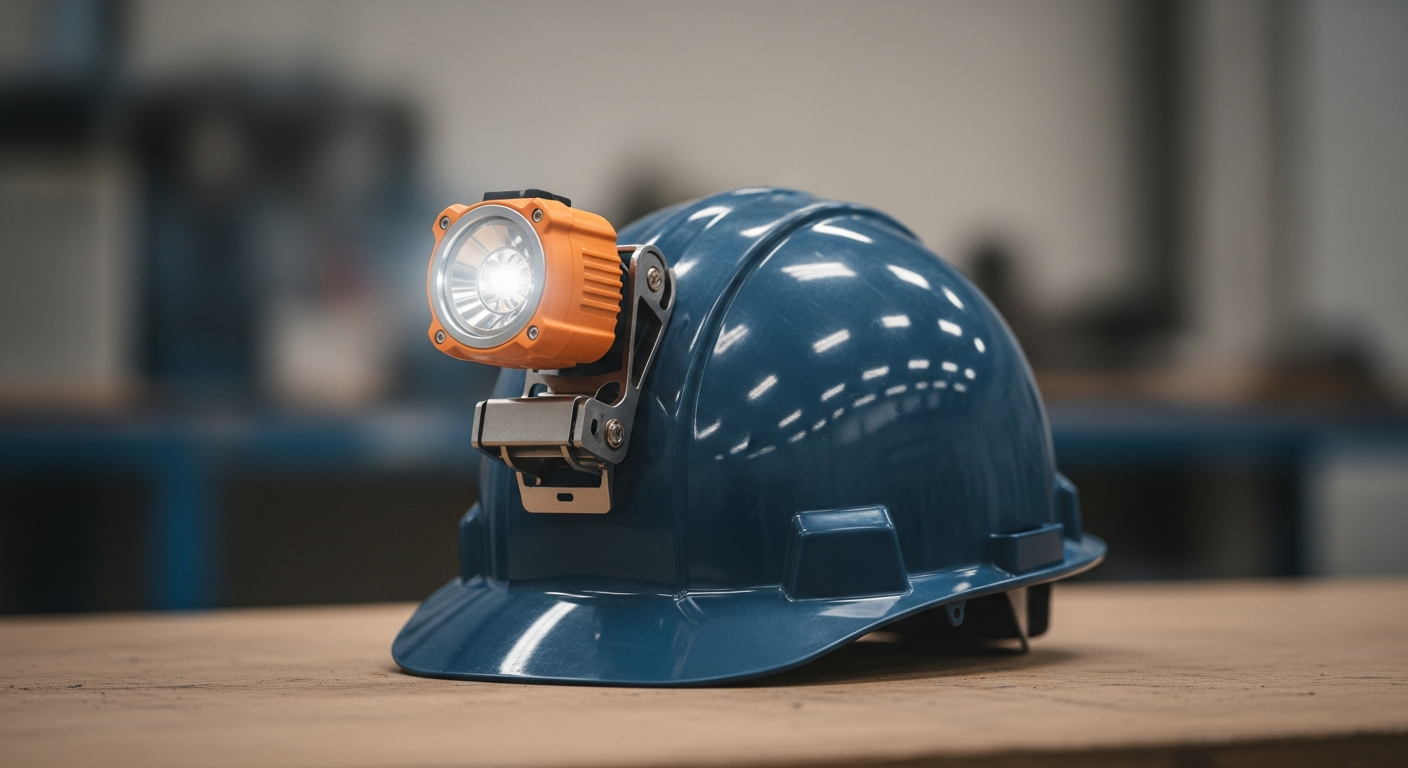
The evolution of lighting technology has significantly impacted the design and performance of mining headlamps. Modern units now almost exclusively use Light Emitting Diodes (LEDs) over older incandescent or halogen technologies, and for good reason. Understanding these differences is key to choosing the best equipment.
- Efficiency and Heat: LEDs are far more energy-efficient, converting a higher percentage of electricity into light rather than heat. This extends battery life and, crucially, reduces the surface temperature of the lamp, a key safety factor in explosive atmospheres.
- Durability and Lifespan: Unlike the fragile filaments in older bulbs, LEDs are solid-state devices that are highly resistant to shock and vibration, both common in a mining environment. Their operational lifespan can exceed 50,000 hours, minimizing maintenance and replacement costs.
- Light Quality: LEDs can be engineered to produce a clean, white light that more closely resembles natural daylight, reducing eye strain and improving visibility of details and potential hazards underground.
- Compact Form Factor: The small size of LEDs allows for more compact, lightweight, and ergonomic headlamp designs, improving user comfort without sacrificing brightness or durability.
Recommended Products for Explosion Proof Mining Headlamps
The following products from our catalog are certified for use in hazardous areas and directly relevant to this guide:
| Product Category | Rating / Certification | Link |
|---|---|---|
| Intrinsically Safe Headlamps | Class I, Div 1 / ATEX Zone 0 / MSHA | Shop Now |
| Rechargeable Cap Lamps | MSHA / Class I, Div 1 | Shop Now |
Shop Certified Intrinsically Safe Headlamps
Ensure your team is equipped with MSHA and Class I, Division 1 certified headlamps designed for the toughest mining environments.
Frequently Asked Questions
What does MSHA approved mean for a headlamp?
MSHA approval means the headlamp has been tested and certified by the Mine Safety and Health Administration as permissible for use in underground mines with explosive gas or dust. It confirms the device’s design prevents it from being an ignition source.
Can I use a regular headlamp in a mine?
No. You must never use a regular, uncertified headlamp in a potentially explosive mining atmosphere. Only MSHA-approved or similarly certified explosion-proof headlamps are permitted to ensure they cannot ignite flammable gases or dust.
How many lumens do I need for a mining headlamp?
For mining, a headlamp with 100 to 300 lumens is generally sufficient. More important than maximum brightness is the beam quality, reliability, and a long battery life to last through an entire shift without failure.
What is the difference between explosion proof and intrinsically safe?
Explosion-proof equipment contains an explosion within its housing, while intrinsically safe equipment operates on such low energy that it cannot create a spark powerful enough to cause an explosion. Both are approved for hazardous areas, but the method of protection differs.
How often should mining headlamps be inspected?
Mining headlamps should be inspected before every shift for any signs of damage, such as cracks in the housing or lens, and to ensure the battery compartment is securely sealed. Regular function tests are also essential for maintaining safety standards.
Choosing the correct headlamp for mining is a decision with significant safety implications. The first priority must always be proper certification, specifically MSHA approval, to guarantee the device is safe for explosive atmospheres. Next, features like a high IP rating for dust and water protection, long battery life, and tough construction are essential for the rigors of underground work. Finally, modern LED technology provides better efficiency, a longer lifespan, and higher quality light than older bulb types. By focusing on these three areas of certification, durability, and technology, safety managers can equip their teams with the best explosion proof headlamp for mining, ensuring both compliance and worker protection.