

Intrinsically Safe Knowledge Base
Workers Lighting Impact in Hazardous Environments
Introduction
Lighting plays a crucial role in the workplace, particularly in hazardous environments. It not only affects the physical safety of workers but also has a profound impact on their psychological well-being. This article, brought to you by Intrinsically Safe Store, delves into the psychological implications of lighting in high-risk work settings. We invite you to explore our website for a range of intrinsically safe products designed to enhance safety and productivity in hazardous work environments.
The Importance of Lighting in Hazardous Work Environments
Lighting is a critical factor in hazardous work environments such as mines, oil rigs, chemical plants, and construction sites. It directly influences visibility, accident prevention, and task performance. However, beyond these physical aspects, lighting also significantly impacts workers’ psychological health.
Impact on Mood and Emotion
Research has shown that lighting can affect mood and emotions. For instance, dim lighting can cause feelings of depression and negativity, while bright lighting can induce a more positive mood. In hazardous environments, maintaining a positive mood can be crucial for workers’ mental health.
Effect on Stress and Fatigue
Improper lighting can lead to increased stress and fatigue. Workers in poorly lit environments often strain their eyes, leading to headaches and fatigue. Over time, this can result in chronic stress, negatively affecting their overall well-being and productivity.
Influence on Sleep Patterns
Lighting can also affect workers’ sleep patterns. Exposure to bright light in the evening can disrupt the body’s circadian rhythm, leading to sleep disorders. In hazardous environments, where shift work is common, this can be a significant issue.
Case Studies and Statistics
A study by the American Society of Interior Designers found that 68% of employees complain about the lighting situation in their offices. While this statistic is not specific to hazardous environments, it underscores the widespread issue of inadequate workplace lighting.
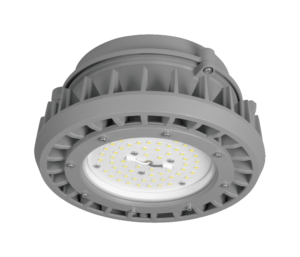
For example, studies in industrial environments like mining have shown that improved lighting systems can significantly reduce accident rates, enhancing physical safety and decreasing worker stress.
Key Features & Benefits of Hazardous Area Lighting
Beyond meeting basic illumination requirements, specialized lighting solutions for hazardous areas offer specific features that directly contribute to worker well-being and operational safety. These systems are engineered not just to light up a space, but to do so reliably and safely under the most demanding conditions.
- Enhanced Durability and Reliability: Certified hazardous area lights are built to withstand harsh conditions, including impacts, vibrations, and extreme temperatures. This reliability reduces the risk of sudden blackouts, which can cause panic and increase accident rates.
- Optimal Color Rendering: High-quality LED lighting provides a high Color Rendering Index (CRI), meaning colors appear more natural. This is critical for tasks requiring accurate color identification, such as reading wire labels or safety warnings, thereby reducing mental strain and errors.
- Reduced Glare and Flicker: Modern hazardous area lighting is designed to minimize glare and eliminate flicker. This reduces eye strain, headaches, and fatigue, allowing workers to maintain focus and comfort throughout their shifts.
- Energy Efficiency: LED technology is highly efficient, lowering operational costs and reducing the maintenance footprint. Fewer replacements mean less time for technicians spent in potentially dangerous areas.
Lighting Solutions from Intrinsically Safe Store
Intrinsically Safe Store offers a range of lighting solutions designed for hazardous environments. Our products are designed to enhance visibility, safety, and productivity while also considering the psychological well-being of workers. We understand the unique challenges of these environments and strive to provide solutions that address both physical and psychological needs.
Frequently Asked Questions
What exactly is intrinsically safe lighting?
Intrinsically safe lighting refers to lighting equipment specifically designed for hazardous areas with flammable gases, vapors, or dust. Its core design principle is to limit electrical and thermal energy to a level below what could cause ignition, thereby preventing explosions in volatile atmospheres.
How does better lighting directly impact worker psychology?
Proper lighting improves worker psychology by enhancing mood, increasing alertness, and reducing stress and eye strain. It helps regulate the body’s natural circadian rhythms, which can lead to better sleep quality and less fatigue, contributing significantly to mental well-being and safety in high-risk jobs.
Are there specific certifications for hazardous environment lighting?
Yes, lighting for hazardous environments must meet strict standards and certifications. Key standards include ATEX for Europe, IECEx for international use, and the Class/Division system under the NEC in North America. These certifications ensure the equipment is verified as safe for specific hazardous zones.
Conclusion
Lighting in hazardous work environments plays a vital role in not only ensuring physical safety but also in promoting the psychological well-being of workers. It affects mood, stress levels, fatigue, and sleep patterns, all of which can significantly impact productivity and overall mental health. By investing in proper lighting solutions, such as those offered by the Intrinsically Safe Store, businesses can create a safer and more positive work environment. For more information on our range of certified products, talk to a hazardous-area lighting specialist today.