

Intrinsically Safe Knowledge Base
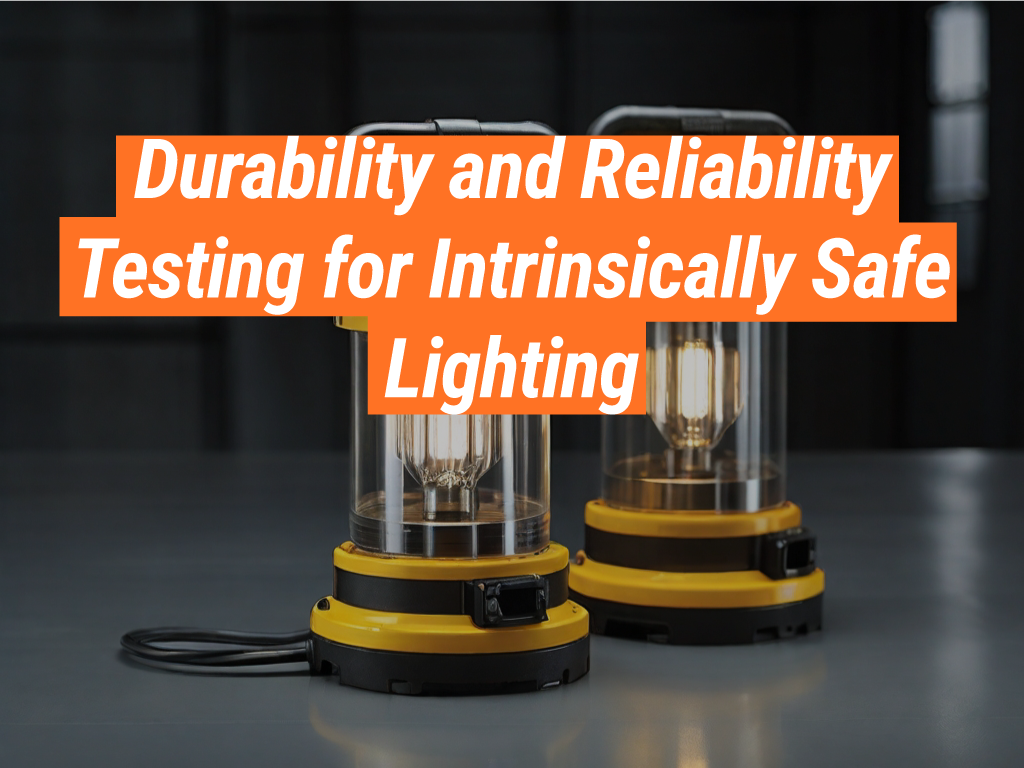
Testing Intrinsically Safe Lighting’s Durability and Reliability
Introduction to Durable and Reliable Intrinsically Safe Lighting
In hazardous work environments, durability and reliability are essential factors for ensuring the effectiveness of safety measures. Intrinsically safe lighting stands out as a beacon of reliability and durability, offering dependable illumination while mitigating risks. At Intrinsically Safe Store, we understand the importance of this and are committed to providing the highest quality intrinsically safe lighting solutions. We invite you to explore our range of products and services to find the perfect solution for your needs.
Understanding Intrinsically Safe Lighting
Intrinsically safe lighting is designed to operate in potentially explosive atmospheres without causing ignition. By limiting the electrical and thermal energy to a level below that which can ignite a specific hazardous atmospheric mixture, these devices prevent explosions at the source. These lighting solutions are essential in industries such as oil and gas, mining, and chemical processing, where the risk of explosion is high.
Key Features & Benefits of Durable Intrinsically Safe Lighting
When selecting intrinsically safe lighting, durability and reliability are paramount. These products are built with specific features designed to withstand the toughest industrial conditions. Key features often include impact-resistant casings made from anti-static polymers or durable metals, shatterproof polycarbonate lenses, and high Ingress Protection (IP) ratings, such as IP67, which signifies the device is tested to be dust-tight and resistant to water immersion. This robust construction ensures the light’s internal safety mechanisms are never compromised.
The benefits of investing in high-quality, durable intrinsically safe lighting extend beyond basic compliance. They include:
- Enhanced Worker Safety: The primary benefit is the prevention of ignition in volatile atmospheres, directly protecting personnel and assets from catastrophic events.
- Reduced Operational Downtime: Reliable lighting solutions fail less often, meaning fewer work stoppages for maintenance and replacements, leading to greater productivity.
- Lower Total Cost of Ownership: While the initial investment may be higher, durable lights with long-life LED technology require less frequent replacement and maintenance, saving money over the product’s lifespan.
- Aids in Regulatory Compliance: Using correctly specified, certified lighting is a critical step in meeting stringent safety standards like ATEX, IECEx, and NEC/UL. This helps facilities prepare for safety audits and avoid non-compliance issues.
The Importance of Durability and Reliability Testing
Given the critical role of intrinsically safe lighting, it’s vital that these products undergo rigorous durability and reliability testing. This ensures they can withstand harsh conditions and continue to function effectively over time.
- Durability Testing: This involves subjecting the lighting to extreme conditions such as high temperatures, humidity, and physical stress to assess its ability to maintain functionality.
- Reliability Testing: This tests the lighting’s performance over time, under normal operating conditions. It helps identify any potential failures or weaknesses that could compromise safety.
Case Study: Rigorous Testing in Action
The certified products we carry at the Intrinsically Safe Store undergo rigorous testing by manufacturers and third-party labs to achieve their ratings. This process often includes drop tests, water immersion (IP) tests, and extreme temperature cycling to ensure they can withstand the harshest conditions and maintain their safety certifications.
Statistics Highlighting the Importance of Testing
Citing recent industry safety reports, equipment malfunction remains a leading cause of industrial incidents, underscoring the need for reliable, certified components in hazardous areas.
Choosing the Right Intrinsically Safe Lighting
When you select intrinsically safe lighting, you must consider the specific needs of your environment. Factors such as the hazard classification (Zone or Division), required brightness (lumens), and battery life are all critical. We at the Intrinsically Safe Store offer a wide range of lighting solutions, each undergoing rigorous durability and reliability testing. Our team of experts stands ready to help you choose the right product for your needs.
Frequently Asked Questions
What certifications are crucial for intrinsically safe lighting?
Look for certifications like ATEX for Europe, IECEx for international standards, and UL for North America. These certifications ensure the product has been tested for use in specific hazardous locations. The required certification depends on your region and standards, such as the ATEX/IECEx Zone system (e.g., Zone 0, 1, 2) or the North American Class/Division system (e.g., Class I, Division 1).
How does the durability of an intrinsically safe light compare to a standard industrial light?
Intrinsically safe lights undergo far more rigorous testing. This includes impact tests, thermal shock tests, ingress protection (IP) testing against dust and water, and specific tests to ensure they cannot create a spark or hot surface that could ignite a flammable atmosphere.
What does an IP rating mean for a flashlight?
The IP (Ingress Protection) rating indicates the level of protection against solids and liquids. For example, an IP67 rating means the device is completely dust-tight and can be submerged in water up to 1 meter for 30 minutes, making it highly durable for wet or dusty environments.
Conclusion
In conclusion, durability and reliability testing are critical in ensuring the safety and effectiveness of intrinsically safe lighting. By choosing products that have undergone rigorous testing, you can have peace of mind knowing that your lighting solution is designed to withstand even the harshest conditions.
At Intrinsically Safe Store, we are committed to providing the highest quality intrinsically safe lighting solutions. We invite you to talk to a hazardous-area specialist to learn more about our products and how we can help meet your lighting needs.