Intrinsically Safe Products
Data Centers & Safety: Intrinsically Safe Edge Devices in 2025
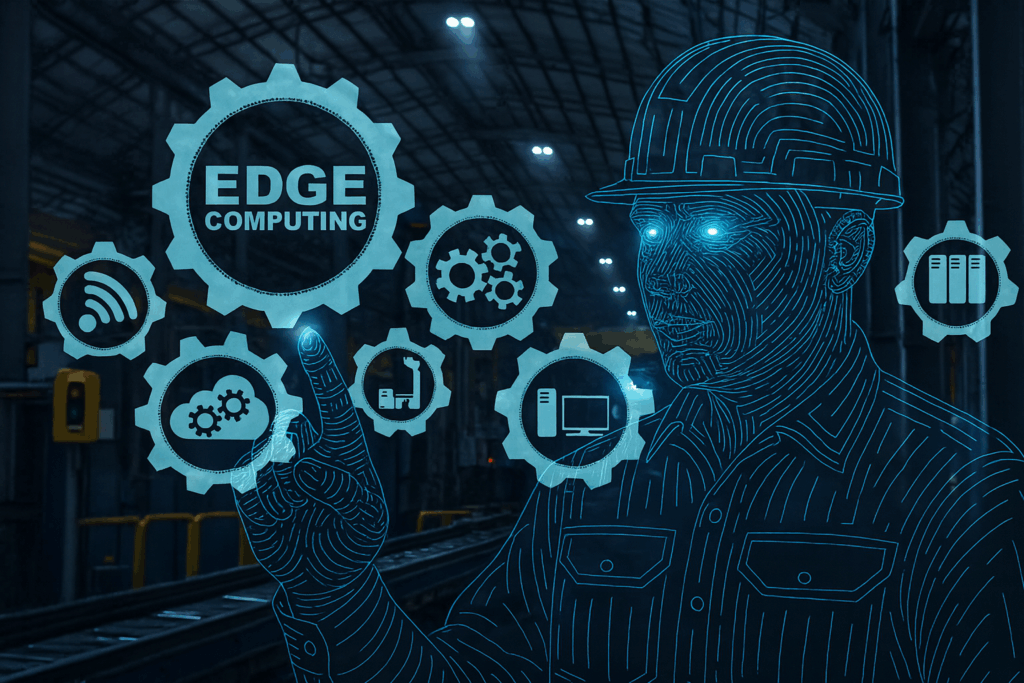
The world of data centers is evolving—driven by rapid data growth, the rise of 5G, and the proliferation of edge computing. In 2025, organizations are no longer relying solely on centralized servers; instead, they’re deploying compact edge data centers closer to end-users to reduce latency and improve performance. But what happens when those edge deployments exist in potentially explosive or hazardous environments?
This is where edge computing intrinsically safe devices step in. These specially certified tools bring real-time processing power to explosive-risk zones—like oil & gas rigs, chemical plants, and mining sites—without compromising safety. In this article, we’ll define what intrinsically safe edge computing means, explore why these devices are vital for modern data center strategies, review key benchmarks and certifications, compare notable products, and answer FAQs.
Discover our full range of certified intrinsically safe equipment designed to maximize safety and efficiency in your critical operations.
What does “edge computing intrinsically safe” mean?
Edge computing intrinsically safe refers to devices engineered for local data processing (“edge”) that meet intrinsic safety standards—meaning their electrical and thermal energy is limited to a level below that required to ignite a specific hazardous atmosphere, even under fault conditions.
Intrinsic safety limits the energy output—voltage, current, and heat—of a device so it cannot ignite flammable gas or dust, even if damaged. Coupling this safety with edge computing’s localized processing allows these devices to deliver real-time responsiveness in hazardous locations without compromising worker safety.
Why are intrinsically safe edge devices important in data centers?
They enable real-time data processing at hazardous sites without risking ignition, ensuring safety and uptime even in volatile conditions.
Modern edge data centers are thriving due to 5G, IoT, and the growing need for low latency. In hazardous industries such as oil & gas or chemical manufacturing, traditional electronics can be dangerous. Intrinsically safe edge devices prevent ignition risk, allowing safe data capture, local automation, and reduced network load—all while complying with strict safety standards.
For a deeper dive, review our complete guide to intrinsically safe devices to better understand the technology and its applications in hazardous areas.
What certifications should you look for?
Certifications prove a device is tested and approved for hazardous environments. Depending on your location and hazard zone, you should look for:
-
ATEX (EU) – Certification for hazardous atmospheres, covering gas (Zone 0, 1, 2) and dust (Zone 20, 21, 22) environments.
-
IECEx (Global) – Various gas and dust environments
-
NEC Class I, Division 1/2 (North America)
Each classification corresponds to the severity and likelihood of hazardous exposure. Selecting a device with the correct rating ensures you meet legal safety requirements and pass compliance inspections without issues.
How do intrinsically safe edge devices impact 2025 data center benchmarks?
In 2025, Gartner predicts 75% of enterprise data will be processed at the edge, compared to just 10% in 2018. This shift is largely driven by the need for ultra-low latency in critical operations.
Intrinsically safe devices make this possible in hazardous sites, but they do come with constraints—such as power and heat output limits that can slightly reduce computational power. However, advances in low-power chipsets and passive cooling mean today’s intrinsically safe devices are closing the gap with standard edge hardware while still meeting strict safety criteria.
What’s New: Trends in Intrinsically Safe Edge Computing for 2025
The landscape for intrinsically safe devices is continually advancing. As we move through 2025, several key developments are enhancing their capabilities without compromising safety standards:
- More Efficient Chipsets: The adoption of powerful yet low-energy ARM-based processors allows modern devices to handle complex AI and machine learning tasks at the edge while staying within strict thermal and electrical limits.
- Enhanced Connectivity with 5G: The rollout of private 5G networks in industrial settings enables intrinsically safe edge devices to transmit large volumes of data with minimal latency. This is crucial for applications like real-time video analytics and remote-controlled machinery in hazardous locations.
- Improved Battery Technology: Advances in battery chemistry and power management systems allow devices to operate for longer shifts, increasing productivity while adhering to intrinsic safety principles that limit energy storage capacity.
- Focus on Cybersecurity: With increased connectivity comes greater risk. Device manufacturers are now integrating more robust security features, including hardware-level encryption and secure boot processes, to protect critical infrastructure from cyber threats.
Which intrinsically safe edge computing products are available in 2025?
| Product | Certifications | Compute Features | Use Case | Product Type |
|---|---|---|---|---|
| Janam XT3 | Class I Division 2 | Octa-Core, LTE, Android | Field data collection | Handheld computer |
| Janam XT2 | Class I Division 2 | Quad-Core, Android/Win | Inspections & tracking | Lightweight handheld |
| Bartec TC26ex-NI | ATEX Zone 2/22, Class I/II/III Div 2 | Compact Android | Offshore/mining fieldwork | Rugged one-hand device |
Best Choices by Industry
-
Oil & Gas: Janam XT3 – rugged, high-performance device with LTE.
-
Budget-Friendly: Janam XT2 – lightweight yet capable.
-
Confined Spaces: Bartec TC26ex-NI – compact and ergonomic for small areas.
(Each product is available from the Intrinsically Safe Store shop with full technical specifications.)
A Deeper Look: Comparing Leading IS Edge Devices
While the table above provides a quick overview, a deeper comparison reveals how each device suits specific operational contexts. Here’s a more detailed breakdown:
Janam XT3: The High-Performance Workhorse
The Janam XT3 stands out for its processing power, featuring an octa-core processor that can handle demanding applications. Its Class I, Division 2 rating makes it ideal for North American markets in oil & gas and petrochemicals. With reliable LTE connectivity and the Android OS, it’s designed for field workers who need desktop-like performance in a rugged handheld form factor for tasks like asset management and digital work instructions.
Janam XT2: Balanced and Cost-Effective
The Janam XT2 offers an excellent balance of performance and value. Its quad-core processor is more than capable for standard tasks like inspections, data entry, and inventory tracking. Being lighter than the XT3, it reduces user fatigue during long shifts. Its support for both Android and Windows Embedded Handheld 8.1 offers IT teams flexibility in deployment.
Bartec TC26ex-NI: Compact and Globally Certified
The Bartec TC26ex-NI is built for global operations, carrying both ATEX Zone 2/22 and Class I/II/III Div 2 certifications. Its compact, ergonomic design is perfect for one-handed use in confined spaces, such as in specific, risk-assessed Zone 2 areas of a mining operation or complex chemical plants. It runs on Android, providing access to a vast ecosystem of industrial applications, and its rugged construction ensures reliability in the harshest conditions.
How to choose the right intrinsically safe edge device
Selecting the best intrinsically safe edge device comes down to matching hazard zone requirements, computing needs, and the environment where the device will operate.
-
Certifications: Ensure compliance with your hazard zone (e.g., ATEX Zone 1 vs. Class I Div 2).
-
Performance: Balance processing power with safety constraints.
-
Form Factor: Choose between handheld, wearable, or fixed units.
-
Connectivity: Look for LTE, 5G, and IoT protocol support.
-
Durability: Consider temperature range, dustproofing, and water resistance.
Need help choosing? Talk to a hazardous-area specialist to find the perfect intrinsically safe device for your operational needs.
FAQs About Edge Computing Intrinsically Safe Devices in 2025
What is an intrinsically safe edge device?
A computing unit—handheld, gateway, or embedded—that processes data locally and is certified safe for explosive-risk environments.
How does edge computing improve safety in hazardous areas?
By processing data locally, the device can trigger safety alerts instantly without relying on distant cloud servers, reducing reaction times in emergencies.
Do these devices support 5G and IoT?
Yes. Many 2025 intrinsically safe edge devices come with built-in 5G and IoT compatibility for low-latency communication.
Are they more expensive?
Typically, yes—certification, rugged materials, and safety engineering increase costs. However, they also reduce downtime, improve safety, and meet compliance requirements.
Which industries benefit most?
Oil & gas, mining, chemical processing, utilities, and pharmaceuticals are the biggest adopters, as they often combine hazardous environments with high real-time data demands.
Can these devices be customized for specific industrial applications?
Yes, many devices support custom software loads and can be integrated with various peripherals like barcode scanners or RFID readers. The Android OS, common on many models, offers significant flexibility for developing bespoke applications to meet specific workflow requirements.
What is the typical lifecycle of an intrinsically safe edge device?
These devices are built for durability and typically have a lifecycle of 3-5 years, often longer than consumer-grade electronics. Manufacturers provide extended support and service plans to maximize their operational life in demanding industrial environments.
Conclusion
The combination of edge computing intrinsically safe technology is reshaping how data centers operate in hazardous industries. Certified devices like the Janam XT3, Janam XT2, and Bartec TC26ex-NI bring real-time processing power to areas where standard hardware can’t operate safely. While the upfront investment is higher, the long-term benefits of safety, compliance, and uptime make these devices essential in 2025.