


Intrinsically Safe Knowledge Base
Class 1 Div 2 Requirements (2026 Guide) | ISS
In industrial settings, where the potential for hazardous conditions exists, ensuring the safety of personnel and equipment is paramount. Class 1 Division 2 (C1D2) electrical requirements and best practices play a crucial role in achieving this goal. Here, we delve into Class 1 Division 2 hazardous locations electrical requirements, its significance and applicable guidelines.
Understanding Class 1 Division 2 Electrical Requirements.
Class 1 Division 2 classification defines hazardous locations where flammable gases, vapors, or liquids may be present. This can happen intermittently or under abnormal conditions. These environments require specialized electrical systems and equipment to prevent ignition sources and mitigate potential hazards.
In the context of electrical safety, the 2011 National Electrical Code (NEC) in chapter 5 focuses on hazardous electrical environments. Chapter 5 contains 28 articles, all which provide guidelines for these areas which are hazardous in varying proportions. Presence of hazardous risks necessitate specialized wiring techniques.
Want to reduce risks and protect your crew?
Download our free Hazardous Area Safety Checklist and make sure your team is always compliant with ATEX & IECEx standards.
For instance, a facility handling flammable liquids or gases, volatile fuels can potentially mix with air at a critical ratio. A minor spark from an electrical device experiencing arcing or an overheated surface can instantly set off a catastrophic fireball. This scenario can result in significant loss of life and property.
NEC Guidance on Electrical Requirements for Class 1 Division 2.
In Class I, Division 2 locations, the potential hazard, although still significant, is not as immediate. These areas may involve the handling, production, or use of volatile flammable gases or vapors from flammable or combustible liquids. However, these substances are typically contained within closed systems or containers.
Accidental ruptures, equipment malfunctions, or breakdowns in containment systems typically lead to the release of these substances. Division 2 scenarios may also arise when efficient ventilation prevents the presence of flammable gas or vapor concentrations. If this ventilation is compromised or not functioning properly, it can render the environment hazardous. Either way, it is essential to prepare for these eventualities and adopt the use of intrinsically safe equipment.
The National Electrical Code (NEC) provides comprehensive guidance on electrical requirements for Class 1 Division 2 (C1D2) locations. The guidance revolves around material groups, surface temperature and protection techniques against any risks.
Material Groups to meet Electrical Requirements for Class 1 Division 2.
Article 500 of the National Electrical Code (NEC) categorizes Class 1 Division 2 (C1D2) materials into groups. This allows identification of all the types of substances that may be present. These group classifications are pivotal in determining the suitable electrical equipment and installation methods required to maintain safety in such environments.
- Group A: This pertains to atmospheres containing acetylene, a highly flammable gas.
- Group B: It encompasses atmospheres containing flammable gases or vapors, such as hydrogen. Group B excludes acetylene (Group A) or other specific materials (Groups C and D).
- Group C: This category include atmospheres containing flammable gases or vapors, such as ethylene, butadiene distinct from those in group A and B.
- Group D: This include atmospheres that contain flammable gases such as methane, ethane and gasoline.
Each material group signifies particular hazardous materials. It is imperative that electrical equipment employed in C1D2 locations be approved and appropriate for the group classification associated with the specific hazardous atmosphere present. Accurate classification ensures that the equipment is designed to prevent ignition and mitigate the potential for explosions in these potentially dangerous environments.
Surface Temperature Requirements.
One issue with dust is its tendency to accumulate on surfaces that can become hot, such as motor housings. When subjected to frequent heat exposure, this dust can undergo partial carbonization, resulting in a reduced ignition temperature.
The National Electrical Code (NEC) addresses surface temperature requirements for electrical equipment in Class I, Division 2 (C1D2) locations within Article 500.8 of the NEC. These requirements are essential to ensure that electrical equipment used in hazardous locations does not generate temperatures that could ignite flammable gases, vapors, or dust present in the environment. Here are some key points regarding surface temperature requirements in C1D2 locations according to the NEC:
- Temperature Classification: Electrical equipment installed in C1D2 locations should have a temperature classification that indicates the maximum surface temperature of the equipment during normal operation. Common temperature classifications include T1 through T6, with T1 representing the lowest maximum surface temperature and T6 the highest.
- Maximum Surface Temperature: The maximum surface temperature of electrical equipment should not exceed 165°C (329°F). The type and characteristics of the hazardous material determine the specific temperature limits.
- Temperature Rise: Only use electrical equipment that prevent excessive temperature rise during operation. This is to ensure that the equipment remains within the defined temperature classification limits.
Protection Techniques.
Protection techniques for electrical Class 1 Division 2 (C1D2) hazardous locations are crucial to ensure safety and compliance in areas where flammable gases, vapors, or liquids may be present intermittently or under abnormal conditions. Here are some key protection techniques and strategies for C1D2 hazardous locations:
- Explosion-Proof Enclosures: Use explosion-proof enclosures to house electrical components. Designers have crafted these enclosures to withstand and contain explosions within them, thereby preventing the ignition of flammable substances in the surrounding atmosphere.
- Sealing and Gasketing: Properly seal and gasket all electrical enclosures and penetrations to prevent the ingress of flammable gases or vapors and maintain the integrity of the enclosure.
- Intrinsically Safe Equipment: Employ intrinsically safe equipment when possible. Designers have created this equipment—such as intrinsically safe cell phones— to operate in hazardous locations without producing sparks, arcs, or temperatures capable of igniting flammable materials.
- Purging and Pressurization: Implement purging and pressurization systems to create a protective barrier within enclosures. This method helps maintain a safe atmosphere inside electrical enclosures by replacing it with clean, dry air or inert gas to prevent the entry of hazardous substances.
Recommended certified equipment for Class 1 Division 2
When working in C1D2 areas, these two categories are commonly used to support safe operations, inspections, and compliant work practices.
- Proper Grounding and Bonding: Establish effective grounding and bonding systems to minimize the risk of static electricity discharge, which can ignite flammable materials.
- Temperature Ratings: Ensure that electrical equipment has appropriate temperature ratings compatible with the hazardous atmosphere to prevent overheating or ignition.
- Ingress Protection (IP) Ratings: Select electrical equipment with suitable IP ratings to protect against the entry of dust, moisture, or other potentially harmful contaminants that could compromise safety.
- Emergency Shutdown Systems: Install emergency shutdown systems that can quickly de-energize equipment or halt processes in case of a hazardous event or malfunction.
- Regular Maintenance: Implement a rigorous maintenance schedule to inspect, test, and maintain electrical equipment in C1D2 locations to ensure proper functionality and safety.
- Equipment Labeling: Clearly label all electrical equipment and enclosures with appropriate hazard classifications, temperature ratings, and operational guidelines for personnel and maintenance staff.
- Compliance with Codes and Standards: Adhere to relevant codes and standards, including the National Electrical Code (NEC) and any local regulations, to ensure compliance and safety in C1D2 hazardous locations.
Wiring Methods for Class 1 Division 2 Classification.
Section 501.10(A) of National Electrical Code describes the types of wiring methods allowed for use in a Class I Division 1 hazardous location. These methods also find approval for use in a less restrictive Class I Division 2 location. These two methods include threaded rigid metal conduit (RMC) and threaded steel intermediate metal conduit (IMC).
The 2017 NEC contains amendments in 501.10(B) regarding class 1 division 2 locations to also include RMC and IMC with specified threadless fittings. Many threadless cable fittings are now permissible for use in class 2 division 2 locations.
Another change involved permitting Cablebus as one of the wiring methods in a Class I Division 2 location. Cablebus resembles cable tray, with spacers positioned between the conductors.
Keep Safe with Intrinsically Safe Equipment.
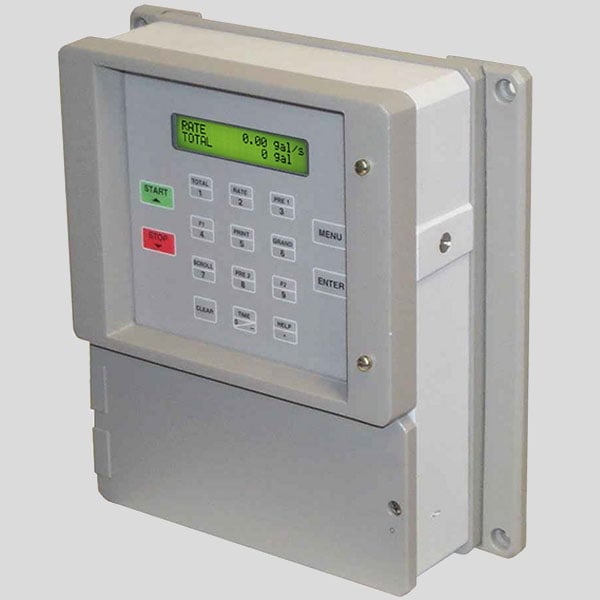
Understanding the electrical requirements for different classification is one thing. Keeping your personnel safe is another thing entirely. The only way to mitigate risks and have your personnel return back to their families is by armoring your location with intrinsically safe equipment. For accurate and safe operations in Class 1 Division 2 environments, explore our full selection of intrinsically safe measurement and calibration tools designed to meet the highest compliance standards.
A good start will be conducting an assessment of the equipment you need while adhering to the guidelines to keep your location safe. If you are not sure of the equipment you will need, be sure to talk to an expert through the chat button at our website intrinsicallysafestore.com.