Intrinsically Safe Products
Intrinsically Safe Barcode Scanner: A Buyer’s Guide
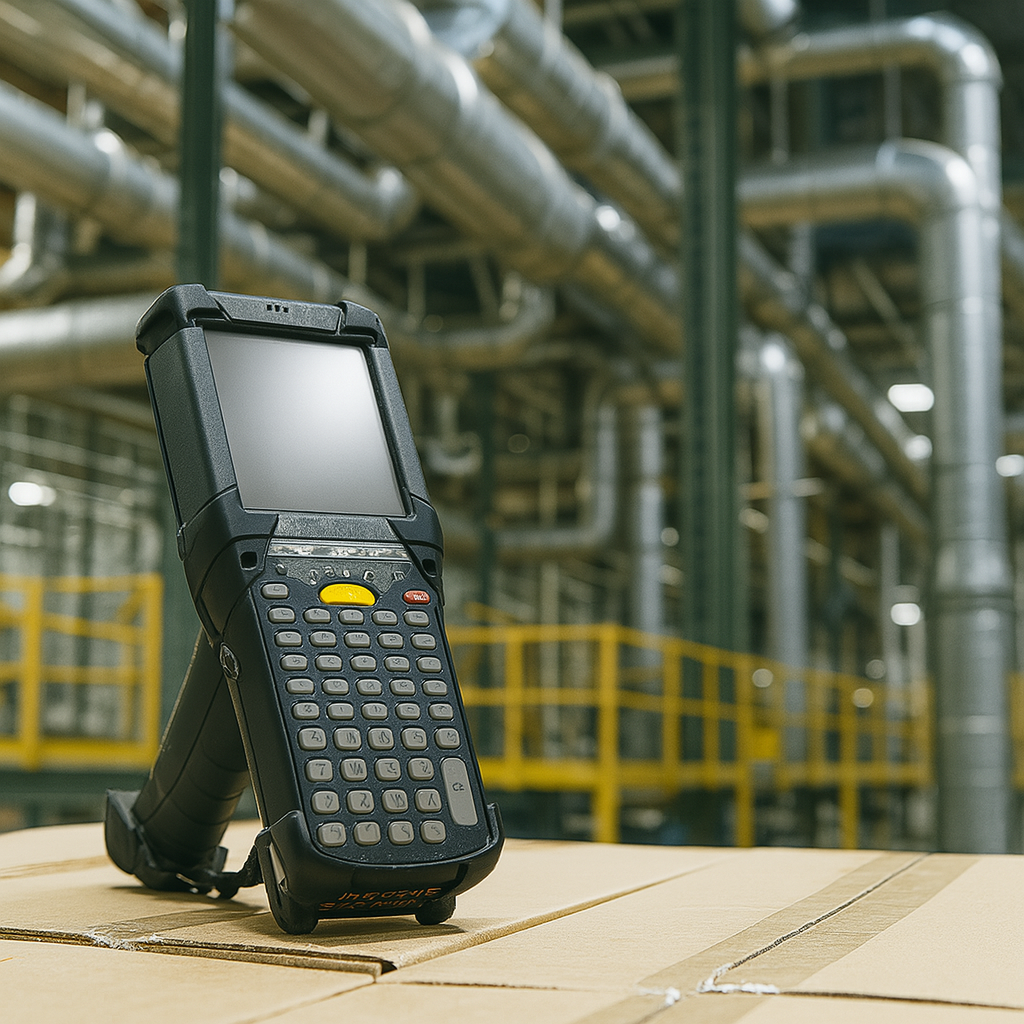
In high-risk industries like oil and gas, chemical processing, or pharmaceuticals, collecting data safely and efficiently is a non-negotiable requirement. Regular barcode scanners are not built for explosive or flammable atmospheres—using one in a hazardous zone could be catastrophic. That’s why companies turn to intrinsically safe barcode scanners.
Designed to eliminate the risk of ignition, these rugged devices allow workers to track inventory, manage assets, and maintain compliance without sacrificing safety. But with multiple models, certifications, and features on the market, how do you choose the right one?
This guide will walk you through everything you need to know about intrinsically safe barcode scanners—from certification types to product comparisons and best-use recommendations.
Not sure which scanner is right for your job site? Talk to our experts for tailored recommendations.
What Is an Intrinsically Safe Barcode Scanner?
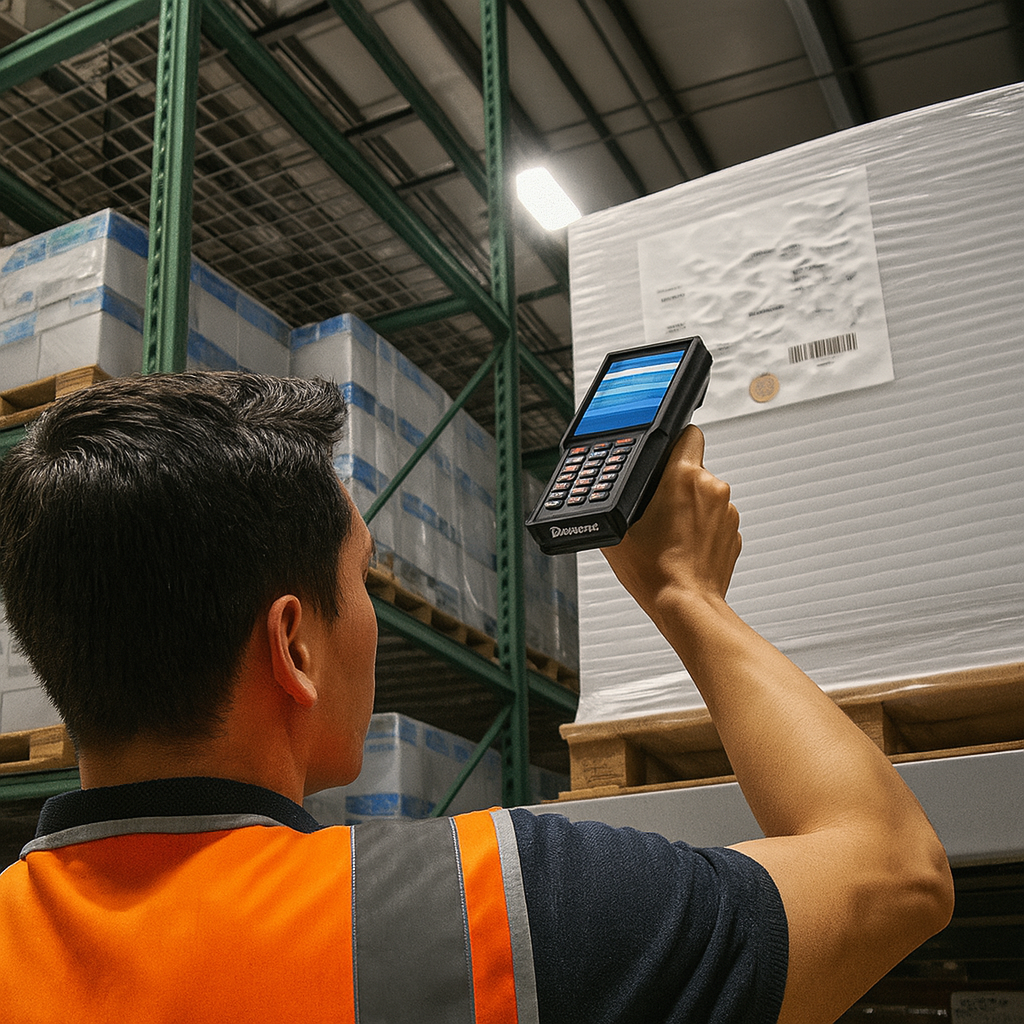
An intrinsically safe barcode scanner is a rugged handheld device designed for use in explosive or flammable environments. It is engineered to prevent sparks, high heat, or electrical arcs—eliminating potential ignition sources in hazardous areas.
These devices are typically certified for:
-
ATEX Zone 1/2 (Europe)
-
IECEx (International)
-
Class I, II, III Division 1/2 (U.S. and Canada)
They are ideal for industries where hazardous gases, vapors, or combustible dust may be present during normal operations.
Why Do Hazardous Areas Require Intrinsically Safe Devices?
Using non-rated electronic devices in explosive environments puts lives, equipment, and facilities at risk. A single spark or surge from an uncertified scanner could ignite a flammable atmosphere, leading to fires or explosions.
Intrinsically safe barcode scanners prevent this by:
-
Controlling voltage and current levels
-
Encasing components in explosion-proof housings
-
Eliminating open circuit exposure
-
Passing third-party compliance testing
Their use is not just smart—it’s often legally required under OSHA, NFPA, IECEx, and ATEX regulations.
Where Are Intrinsically Safe Barcode Scanners Used?
These scanners are essential across any environment where flammable gases, liquids, or dust are regularly present.
Common Industries and Use Cases
In these environments, barcode scanning must be instant, reliable, and safe—even in wet, dusty, or gas-exposed conditions.
What Certifications Should You Look For?
Certification ensures that your intrinsically safe device is legally compliant and operationally safe in the conditions it’s exposed to.
Common Certifications
| Certification | Applicable Regions | Hazard Type |
|---|---|---|
| ATEX Zone 1 or 2 | EU | Explosive atmospheres (gases or dusts) |
| IECEx | Global | International electrical safety |
| Class I Division 1 | US/Canada | Gases and vapors |
| Class II Division 1 | US/Canada | Combustible dust |
| Class III | US/Canada | Ignitable fibers or flyings |
Before purchasing, verify that the barcode scanner matches your site’s certification requirement.
Features to Consider When Choosing an Intrinsically Safe Barcode Scanner
Not all scanners are created equal. Key features vary depending on your application, mobility needs, and data management setup.
Must-Have Features:
-
Certifications (ATEX, IECEx, UL/CSA)
-
Connectivity (Bluetooth, Wi-Fi, USB)
-
Operating System (Android, Windows CE, proprietary)
-
Scan Engine (1D, 2D, long-range)
-
Drop Resistance & IP Rating
-
Data Collection Software Compatibility
-
Battery Life for Long Shifts
Optional features include RFID reading, hot-swappable batteries, glove-friendly buttons, and backlit displays for low-light environments.
Top Intrinsically Safe Barcode Scanners Compared
Here is a breakdown of the top-selling scanners from Intrinsically Safe Store:
Product Comparison Table
| Product | Certifications | Scan Engine | OS | Key Features | Price |
|---|---|---|---|---|---|
| Bartec BCS3600ex-IS Intrinsically Safe Handheld Barcode Scanner |
ATEX Zone 1, IECEx | 1D/2D Long-Range | Proprietary | Intrinsically safe, cordless, ultra-rugged, long-range scanning | $4,068.90 |
| Ecom Ident-Ex 01 Barcode Scanner/RFID Reader |
ATEX, IECEx | RFID + 1D/2D | N/A | RFID and barcode scanning in one device, lightweight and durable | $2,083.69 |
| Bartec MC92-IS Mobile Computer |
Class I, II, III Div 1 | 1D Laser | Windows Embedded CE | Full keyboard, high-safety zone certified, rugged for extreme industrial use | $6,434.61 |
| Bartec MC92-NI Mobile Computer |
Class I Div 2 (Non-Incendive) | 1D/2D | Windows Mobile | Approved for Division 2 areas, ergonomic, legacy application support | $0.00 (Call for Quote) |
| Rugged Windows Tablet 6″ with Long Range Scanner |
Class I Div 2 (varies) | 1D/2D Long-Range | Windows 10 | Touchscreen tablet with integrated scanner, mobile data collection | $2,427.00 |
| Bartec Handheld Barcode Scanner BCS 3600 | ATEX, IECEx (non-IS) | 1D/2D | Proprietary | Durable, high-performance scanning (non-IS version of 3600 series) | $2,325.00 |
See all intrinsically safe scanners in one place: Browse full collection
Best Intrinsically Safe Barcode Scanner by Application
| Use Case | Recommended Model | Why |
|---|---|---|
| Zone 1 Hazardous Areas | Bartec BCS3600ex-IS | Fully certified intrinsically safe, ultra-rugged, long-range performance |
| RFID + Barcode Tagging | Ecom Ident-Ex 01 | Combines dual scanning in ATEX-certified compact form |
| Heavy Industrial Inventory in Class I Div 1 | Bartec MC92-IS | Full keypad + laser scanning for glove use and large datasets |
| Zone 2/Div 2 Operations | Bartec MC92-NI | Cost-effective for lower-risk hazardous areas |
| Field Mobility + Data Entry | Rugged Windows Tablet 6″ | All-in-one Windows 10 tablet with scanning capability |
| General Industrial Scanning (Non-IS) | Bartec BCS 3600 | Durable and high-speed scanning in less volatile zones |
Need help choosing the right model for your zone? Schedule a quick consultation or use the live chat below.
FAQs About Intrinsically Safe Barcode Scanners
What is the difference between “intrinsically safe” and “non-incendive”?
Intrinsically safe devices are safe for use in explosive atmospheres under all conditions, including faults. Non-incendivedevices are safe only under normal operating conditions and are often limited to Zone 2 or Class I Div 2 environments.
Can I use a regular scanner with a rugged case instead?
No. A rugged case may protect against physical damage but offers no protection against sparks, arcs, or internal faults. Only certified intrinsically safe devices should be used in hazardous zones.
How long do intrinsically safe scanners last?
With proper care, most IS barcode scanners last 5–7 years in industrial environments. Battery life ranges from 8 to 16 hours, depending on the model.
What types of barcodes can these devices read?
Most models support 1D and 2D barcodes, including QR, PDF417, and DataMatrix. Advanced models like the Bartec BCS3600ex-IS also support long-range scanning for items at a distance.
Do I need software to use these scanners?
Yes. While the scanners collect data, integration with a mobile device management (MDM) or warehouse management system (WMS) is required to store and analyze data effectively.
Pricing Breakdown
Here’s a quick look at what to expect when budgeting for intrinsically safe barcode scanning:
| Price Range | Model Examples | Use Case |
|---|---|---|
| $2,000 – $3,000 | Bartec BCS 3600, Ecom Ident-Ex 01 | Mid-range Zone 2 scanning |
| $3,000 – $5,000 | Bartec BCS3600ex-IS | High-certification Zone 1/Div 1 |
| $5,000 – $6,500+ | Bartec MC92-IS | Full keypad models for enterprise use |
| $2,000 – $2,500 | Rugged Tablet w/Scanner | Mobile computing plus scanning |
| Quote-Based | Bartec MC92-NI | Customized for lower-risk sites |
Buying the right scanner upfront is far cheaper than dealing with a safety incident or failing compliance audits later on.
Conclusion
Choosing an intrinsically safe barcode scanner is more than just a tech decision—it’s a safety imperative. In hazardous industries, the wrong device can cause catastrophic damage, injury, or even death.
From rugged handheld scanners like the Bartec BCS3600ex-IS, to RFID-enabled models like the Ecom Ident-Ex 01, Intrinsically Safe Store carries certified devices built to keep your operations safe and compliant.
Be sure to match the scanner’s certification to your work zone, assess the form factor, and consider your data needs. And if you’re unsure which scanner is right for your industry, our team of experts is ready to help.