Intrinsically Safe Products
Intrinsically Safe Drone Inspection Services: Are They Worth It?
How do facility managers inspect volatile storage tanks, complex pipeline networks, or flare stacks without initiating costly shutdowns or exposing personnel to hazardous environments? The solution often involves advanced robotics. Specifically, intrinsically safe drone inspection services are changing how industries like oil and gas, chemical processing, and mining handle asset management and regulatory compliance. These services use specialized unmanned aerial vehicles (UAVs) designed to operate safely in atmospheres where flammable gases, vapors, or dusts are present. By providing high-resolution visual and thermal data from inaccessible or dangerous locations, these drones offer a clear return on investment through improved safety, reduced downtime, and more accurate data collection, which significantly lowers the risk profile for critical infrastructure maintenance.

Explore Certified Imaging Technology
Drones are part of a larger ecosystem of certified cameras for hazardous areas. Understand the options available for safe industrial imaging.
Understanding the Technology Behind Intrinsically Safe Drones
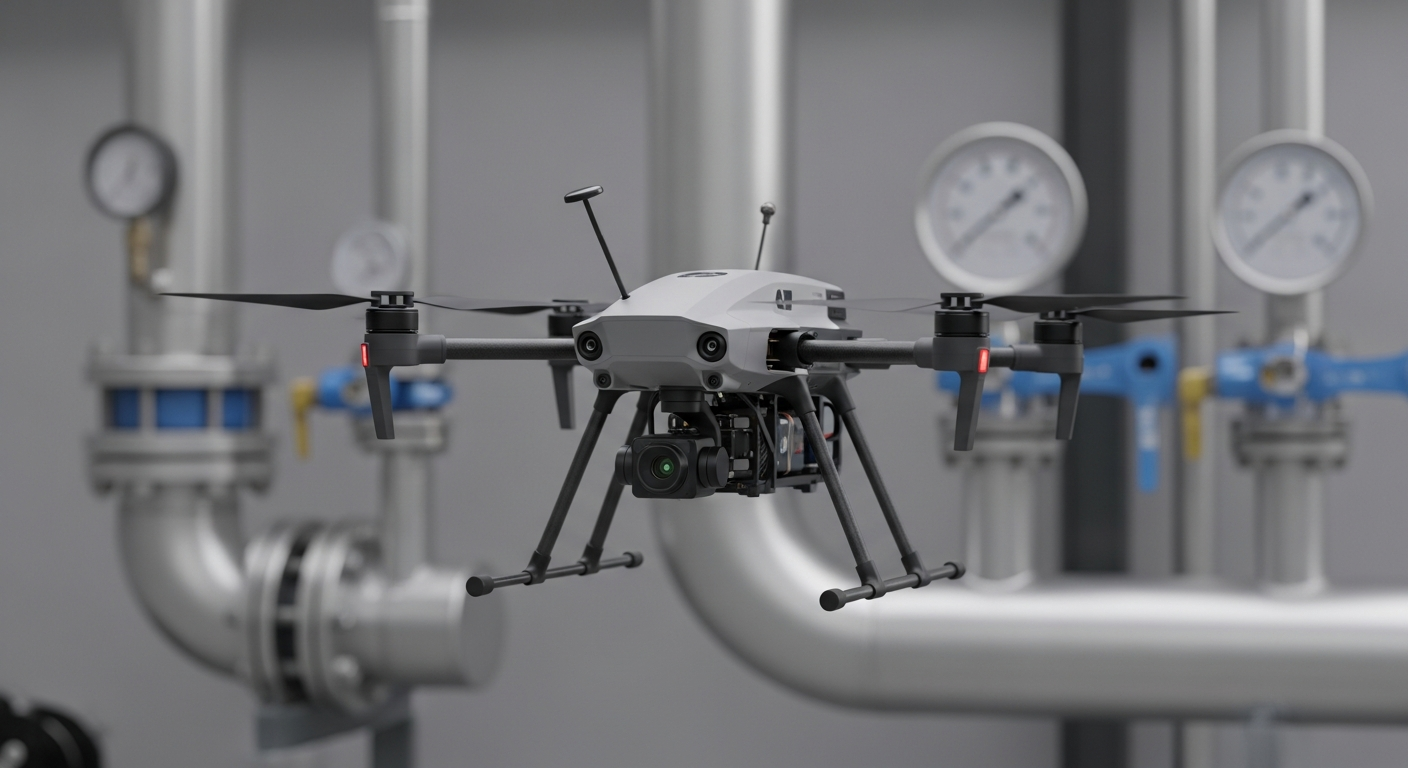
An intrinsically safe drone is not a standard commercial drone painted with warning colors. It is an engineered system where every component, from motors and batteries to sensors and wiring, is designed to prevent the generation of sparks or heat that could ignite a hazardous atmosphere. This design philosophy is based on limiting the electrical and thermal energy of all circuits to a level below that which can cause ignition. This is a fundamental requirement outlined in standards such as NFPA 70 Article 500, which classifies hazardous locations. The drone’s electronics are housed in specialized enclosures, and all internal circuitry is designed with redundant safety measures. This includes using low-power components, current-limiting resistors, and safety barriers that ensure even in a fault condition, such as a short circuit or component failure, the energy released is insufficient to trigger an explosion. This meticulous engineering is what allows these devices to be certified for use in environments classified as Class I, Division 1 or ATEX Zone 0/1, where flammable concentrations of gases are likely to exist under normal operating conditions. The result is a tool that can fly directly into the most sensitive areas of a plant for close visual inspection without becoming an ignition source itself.
Key Benefits of Deploying Drones in Hazardous Locations
Using intrinsically safe drones for inspections has several key advantages over traditional methods, which often involve scaffolding, rope access teams, or complete shutdowns. These benefits translate directly into improved safety metrics, operational efficiency, and financial savings.
- Enhanced Worker Safety:
By using drones, companies eliminate the need to send human inspectors into confined spaces, to work at heights, or to operate within potentially explosive atmospheres. This dramatically reduces the risk of falls, exposure to toxic substances, and other life-threatening accidents.
- Reduced Operational Downtime:
Traditional inspections often require a unit or an entire facility to be shut down to ensure a safe environment for workers. Drones can perform inspections while the plant is fully operational, saving millions of dollars in lost production revenue.
- Superior Data Quality and Accuracy:
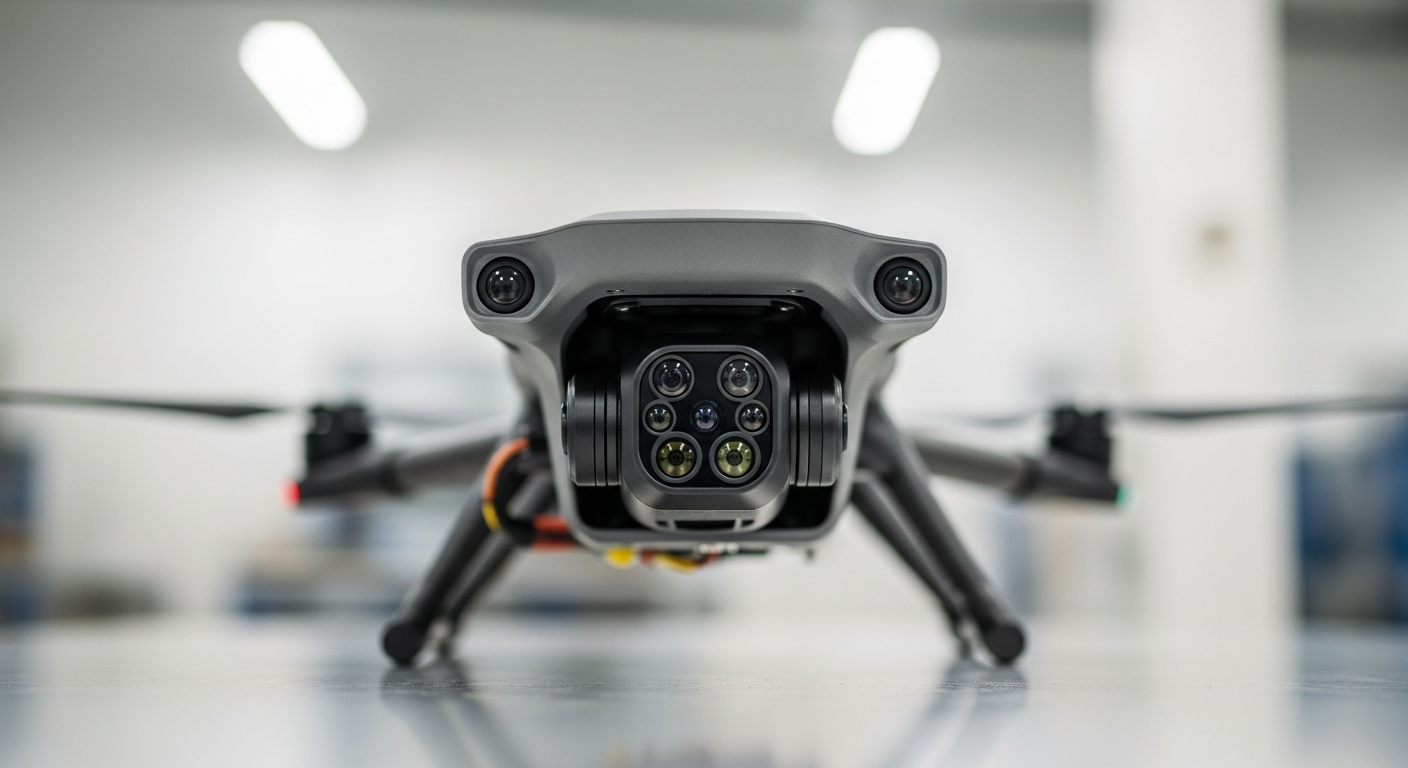
Equipped with high-resolution 4K cameras, thermal imagers, and gas detectors, drones capture detailed and repeatable data. This allows for more precise identification of leaks, corrosion, hotspots, and structural defects than the human eye can often detect, enabling predictive maintenance.
- Increased Inspection Speed and Frequency:
A drone can inspect a large and complex asset like a storage tank or distillation column in a matter of hours, a task that might take a human team days. This speed allows for more frequent inspections, leading to earlier detection of potential issues before they become critical failures.
Calculating the ROI of Drone Inspection Services
While intrinsically safe drones represent a significant upfront investment, their return on investment (ROI) is often realized quickly. Facility managers can justify the expenditure by quantifying savings across several key areas. A thorough ROI calculation should consider both direct cost savings and indirect value generated through risk mitigation and improved data.
- Cost of Traditional Inspection vs. Drone Inspection:
Calculate the total cost of a manual inspection, including scaffolding rental, specialized labor (rope access technicians), safety personnel, and insurance premiums. Compare this to the all-in cost of a drone inspection service. The difference often represents a direct saving of 50-70% per inspection.
- Value of Averted Downtime:
Quantify the revenue generated by the asset or unit per day. If a drone inspection avoids a two-day shutdown that a manual inspection would have required, that revenue is a direct component of the ROI. For critical production units, this figure can be substantial.
- Financial Impact of Early Fault Detection:
Analyze historical data on equipment failures. Estimate the cost of an unexpected failure (repairs, lost production, potential fines). By enabling predictive maintenance through more frequent and detailed data collection, drones help avert these costly events, adding significant value.
- Reduction in Insurance Premiums:
Demonstrating a proactive and safer inspection program by using certified technology can lead to lower liability insurance premiums. This recurring saving contributes to the long-term ROI of adopting drone technology.
Recommended Products for Drone Inspection Programs
The following products from our catalog are certified for use in hazardous areas and are essential components of an effective inspection and communication strategy.
| Product Category | Rating / Certification | Link |
|---|---|---|
| Intrinsically Safe Drones | ATEX Zone 1 / Class I Div 1 | Shop Now |
Shop Certified Intrinsically Safe Drones
Ensure compliance and safety with our range of certified drones designed for reliable inspections in the most demanding hazardous environments.
Frequently Asked Questions
What makes a drone intrinsically safe?
A drone is intrinsically safe because its electrical and thermal energy is limited to a level that cannot ignite flammable gases or dust. This is achieved through low-power design, specialized components, and protective circuitry, ensuring it won’t create a spark or hot surface even if a fault occurs.
Which industries benefit most from IS drone inspections?
The oil and gas (upstream, midstream, and downstream), chemical manufacturing, pharmaceuticals, mining, and wastewater treatment industries benefit most. Any industry with classified hazardous locations where inspections are difficult or dangerous is a prime candidate for this technology.
Are drone inspections more accurate than manual inspections?
In many cases, yes. Drones can get closer to assets and use sensors like thermal imagers to detect issues invisible to the human eye. The data is digital, geo-tagged, and repeatable, allowing for precise trend analysis over time that is difficult to achieve with manual reports.
How do regulations like NFPA 70 apply to drone use?
Regulations like NFPA 70 (the National Electrical Code) define the classifications for hazardous locations (e.g., Class I, Div 1). For a drone to be used in these areas, it must be certified to meet the intrinsic safety standards required for that specific classification, ensuring it doesn’t introduce an ignition source.
What is the typical cost of an intrinsically safe drone inspection service?
Costs vary widely based on the scope of the inspection, location, and data requirements. While the initial investment is higher than for standard drones, the overall project cost is often significantly lower than traditional methods when factoring in savings from avoided shutdowns and reduced labor.
Investing in intrinsically safe drones is a practical decision rooted in risk management and operational efficiency. The technology shifts inspections from a reactive, high-risk necessity to a proactive, data-driven program. By removing the need for human entry into hazardous areas, preventing expensive shutdowns, and supplying superior data for predictive maintenance, these drones provide a clear return on investment. For organizations operating in hazardous environments, adopting intrinsically safe drone inspection services is a direct path to improving safety and asset integrity.