

Intrinsically Safe Knowledge Base
Intrinsically Safe Equipment: Enhancing Safety in Hazardous Areas
Introduction
When it comes to hazardous environments, safety is paramount. This is where Intrinsically Safe Store, a leading provider of safety equipment, comes into play. We offer a wide range of intrinsically safe equipment designed to ensure safety in Class 1 Division 2 enclosures. Explore our extensive product range of certified C1D2 equipment to explore our extensive product range.
Understanding Intrinsically Safe Equipment
Designers create intrinsically safe devices to prevent the ignition of potentially explosive atmospheres. They achieve this by limiting the available energy, both electrical and thermal, for ignition. In essence, these devices are incapable of igniting an explosive atmosphere under normal or fault conditions.
Class 1 Division 2 Enclosures
Class 1 Division 2 (C1D2) enclosures are areas where flammable gases, vapors, or liquids may exist under abnormal conditions. These enclosures require special equipment designed to operate safely even in the presence of these hazardous substances.
The Role of Intrinsically Safe Devices in C1D2 Enclosures
Intrinsically safe equipment plays a crucial role in maintaining safety in C1D2 enclosures. Here are some key points to consider:
- Prevention of Ignition: The primary function of intrinsically safe devices is to prevent the ignition of flammable substances. This is achieved by limiting the energy available for ignition.
- Safe Operation: These devices are designed to operate safely even in the presence of flammable substances. This ensures the safety of personnel and equipment in C1D2 enclosures.
- Compliance with Safety Standards: Intrinsically safe devices complies with stringent safety standards, ensuring their reliability and effectiveness.
Key Features & Benefits of C1D2 Equipment
Choosing the right equipment for Class 1 Division 2 environments goes beyond simple compliance. Intrinsically safe devices offer distinct advantages that enhance both safety and operational efficiency. Understanding these benefits is key to optimizing your facility’s safety protocols.
Enhanced Safety by Design
The core benefit is the inherent safety mechanism. Unlike explosion-proof methods that contain an explosion, intrinsically safe technology prevents the explosion from ever occurring. By limiting electrical and thermal energy to levels below what is required to ignite a specific hazardous atmosphere, these devices provide a proactive layer of protection for your personnel and assets.
Cost-Effective Installation and Maintenance
Intrinsically safe systems are generally easier and less expensive to install and maintain compared to explosion-proof enclosures. They do not require heavy, rigid conduits for wiring. Instead, standard cabling practices can often be used, significantly reducing material and labor costs. Maintenance is also simplified, as devices can be calibrated and serviced without shutting down the entire process, minimizing costly downtime.
Greater Flexibility and Versatility
The low-power nature and simplified wiring of intrinsically safe devices allow for greater flexibility in system design and instrument placement. These devices are often more compact and lightweight than their explosion-proof counterparts, making them ideal for applications with space constraints or where portability is a necessity, such as with intrinsically safe tablets and mobile devices.
Case Study: The Effectiveness of Intrinsically Safe Devices
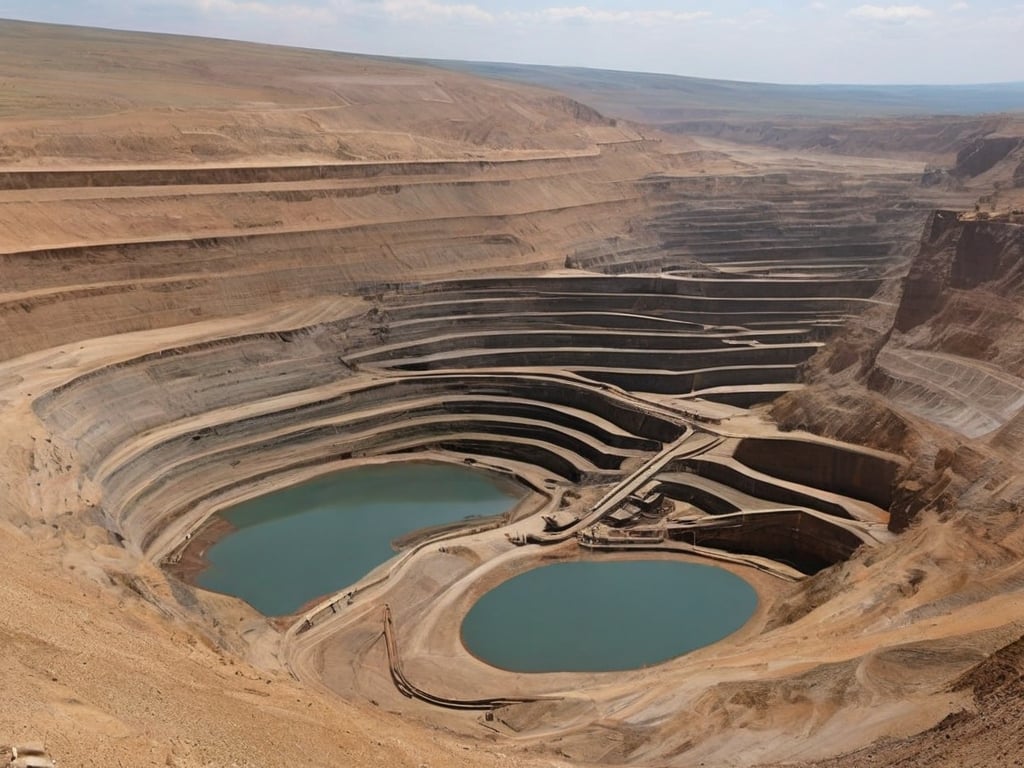
A study conducted by the National Institute for Occupational Safety and Health (NIOSH) demonstrated the effectiveness of intrinsically safe equipment. The study involved a coal mine where methane gas, a highly flammable substance, was present. The intrinsically safe devices used in the mine prevented any ignition of the methane gas, ensuring the safety of the miners and the mine itself.
Frequently Asked Questions (FAQs)
What is the main difference between Class 1 Division 1 and Class 1 Division 2?
The primary difference lies in the likelihood of a hazardous atmosphere being present. In a Class 1 Division 1 area, flammable gases or vapors can exist under normal operating conditions. In a Class 1 Division 2 area, these substances are present only under abnormal conditions, such as a container failure or system leak.
Can I use a Division 2 certified device in a Division 1 area?
No, you cannot. Equipment must be certified specifically for the hazard level of the area. A device rated for the less stringent conditions of Division 2 is not designed to operate safely in a Division 1 area where explosive atmospheres are expected to be present during normal operations.
How does Intrinsically Safe (IS) equipment differ from Explosion-Proof (XP) enclosures?
Intrinsically Safe equipment prevents ignition by limiting the electrical and thermal energy to a level below that which can ignite a hazardous atmosphere. It’s a method of prevention. In contrast, Explosion-Proof enclosures are designed to contain an internal explosion and cool the escaping gases to prevent them from igniting the surrounding atmosphere. It’s a method of containment.
Conclusion: Ensuring Safety in C1D2 Enclosures
Intrinsically safe equipment is an essential component in maintaining safety in Class 1 Division 2 enclosures. Their ability to prevent ignition of flammable substances, operate safely in hazardous environments, and comply with stringent safety standards makes them an invaluable asset in these enclosures. The case study from NIOSH further underscores their effectiveness and reliability.
At Intrinsically Safe Store, we understand the importance of safety in hazardous environments. We offer a wide range of intrinsically safe devices designed to ensure safety in C1D2 enclosures. Talk to a hazardous-area specialist about your C1D2 needs today to learn more about our products and how they can enhance safety in your operations.