

Intrinsically Safe Knowledge Base
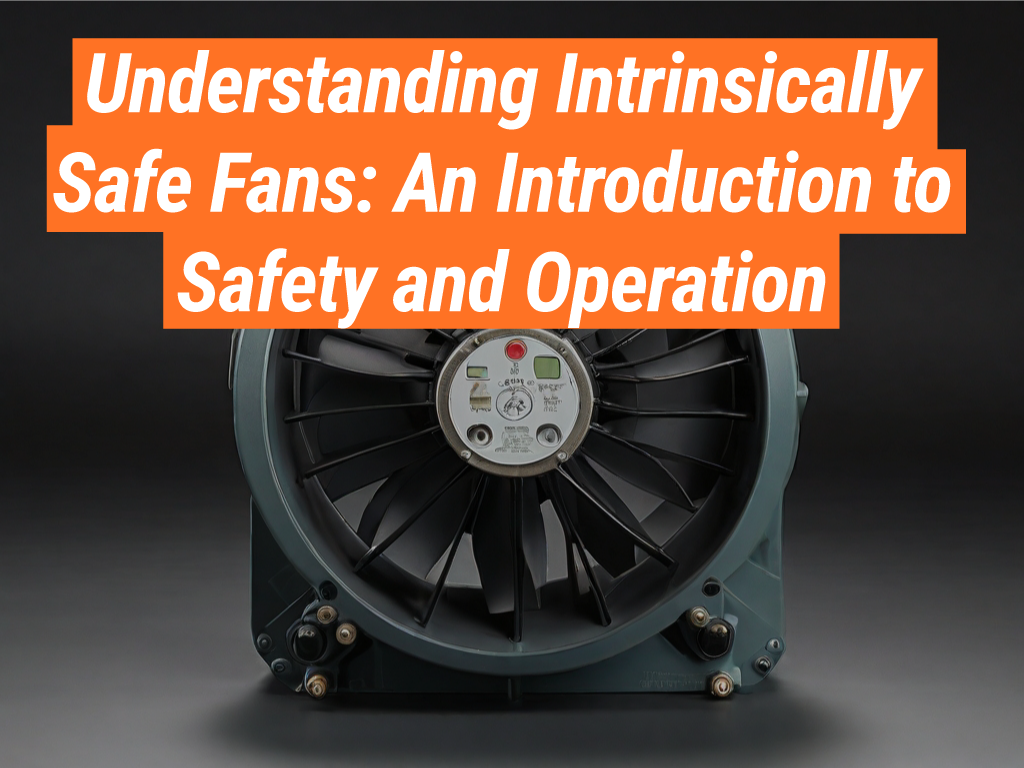
Safe Operation of Intrinsically Safe Fans: An Introduction
When it comes to safety in hazardous environments, proper ventilation is non-negotiable. However, standard fans introduce ignition risks from sparks or heat. This is where the Hazardous Area Fan becomes a critical piece of equipment. This article, brought to you by the experts at Intrinsically Safe Store, provides a comprehensive introduction to these fans, clarifying that various protection methods exist and exploring how to select the right model for your specific hazardous location requirements. We invite you to explore our website for more information on a full range of intrinsically safe products.
What are Hazardous Area Fans?
Designers engineer Hazardous Area fans to operate safely in hazardous environments where flammable gases, vapors, or dust may be present. They design them to prevent ignition of these substances, thereby reducing the risk of explosions or fires.
How do Hazardous Area Fans Work?
The safety of these fans is achieved through specific, certified protection methods. For an Explosion-Proof (Ex d) fan motor, the enclosure is built to contain an internal explosion and prevent it from propagating to the outside. For an Increased Safety (Ex e) motor, it is designed to prevent sparks and arcs in normal operation. These methods are often combined with non-sparking mechanical construction.
Key Features & Benefits of Hazardous Area Fans
The design philosophy behind hazardous area fans centers on preventing ignition at the source. This is achieved through a combination of specific design features that deliver significant operational benefits in hazardous locations.
Core Design Features
- Non-Sparking Materials: Key components, especially the fan blades and housing, are constructed from materials like aluminum or spark-resistant polymers to prevent mechanical sparks from friction or impact.
- Thermal Protection: Built-in temperature control mechanisms and sensors prevent the fan’s surface temperature from reaching unsafe levels that could become an ignition source.
- Sealed Components: All electrical components are securely sealed to prevent contact with the surrounding hazardous atmosphere.
Primary Benefits
- Enhanced Worker Safety: The primary benefit is the drastic reduction in the risk of explosions and fires, safeguarding personnel and assets.
- Regulatory Compliance: Using certified equipment ensures you meet stringent safety standards like ATEX and IECEx, avoiding costly fines and operational shutdowns.
- Operational Reliability: These fans are built to high standards for demanding industrial environments, ensuring reliable performance and longevity.
Importance of Hazardous Area Fans
These fans play a crucial role in maintaining safety in industries such as oil and gas, mining, chemical processing, and more. They help to:
- Prevent the ignition of flammable substances
- Control the temperature in hazardous environments
- Improve air circulation, reducing the concentration of hazardous substances
Standards and Certifications for Hazardous Area Fans
For a fan to be used in a hazardous area, it must meet specific standards and certifications like the ATEX Directive, the IECEx Scheme, or NEC requirements. The certification will specify the protection method used (e.g., Ex d, Ex e) and the environment it is safe for (e.g., Class I Div 1, Zone 1).
Choosing the Right Hazardous Area Fan
When selecting a hazardous area fan, consider factors such as the type of hazardous environment, the required airflow, and the fan’s certification. It’s also essential to choose a reliable supplier, such as Intrinsically Safe Store, which offers a wide range of certified hazardous area products.
Frequently Asked Questions
What are the main differences between protection methods for hazardous area fans, like Explosion-Proof (Ex d) and Increased Safety (Ex e)?
The safety principles are fundamentally different. An explosion-proof (Ex d) fan‘s motor enclosure is built to contain an internal explosion and prevent it from propagating to the outside environment. An Increased Safety (Ex e) motor is designed to prevent sparks and high temperatures in normal operation. It’s important to note that while the fan motor itself is not intrinsically safe, its control circuits could be protected by Intrinsic Safety (Ex i).
Can I use any standard fan in a potentially hazardous area?
Absolutely not. A standard fan’s motor, wiring, and materials can easily create sparks or high temperatures, acting as a direct ignition source in an environment with flammable gases, vapors, or dust. Only certified equipment should be used.
How often do hazardous area fans require maintenance?
Maintenance schedules depend on the manufacturer’s recommendations and the specific operating environment. However, regular inspections are crucial to check for debris, component wear, and to ensure all safety features are functioning correctly. Always follow the guidelines provided in the product manual.
Hazardous area fans are an essential piece of equipment for maintaining safety in hazardous environments. They operate using certified protection methods like explosion-proof enclosures or increased safety designs to prevent the ignition of flammable substances. When choosing a hazardous area fan, it’s crucial to consider the type of hazardous environment, the required airflow, and the fan’s certification. For a wide range of certified hazardous area products, visit Intrinsically Safe Store.
If you have any questions or need further assistance in selecting the right hazardous area fan for your needs, don’t hesitate to talk to a hazardous area specialist today.