

Intrinsically Safe Knowledge Base
A Complete Guide to Intrinsically Safe Forklifts: Enhancing Safety in Hazardous Environments
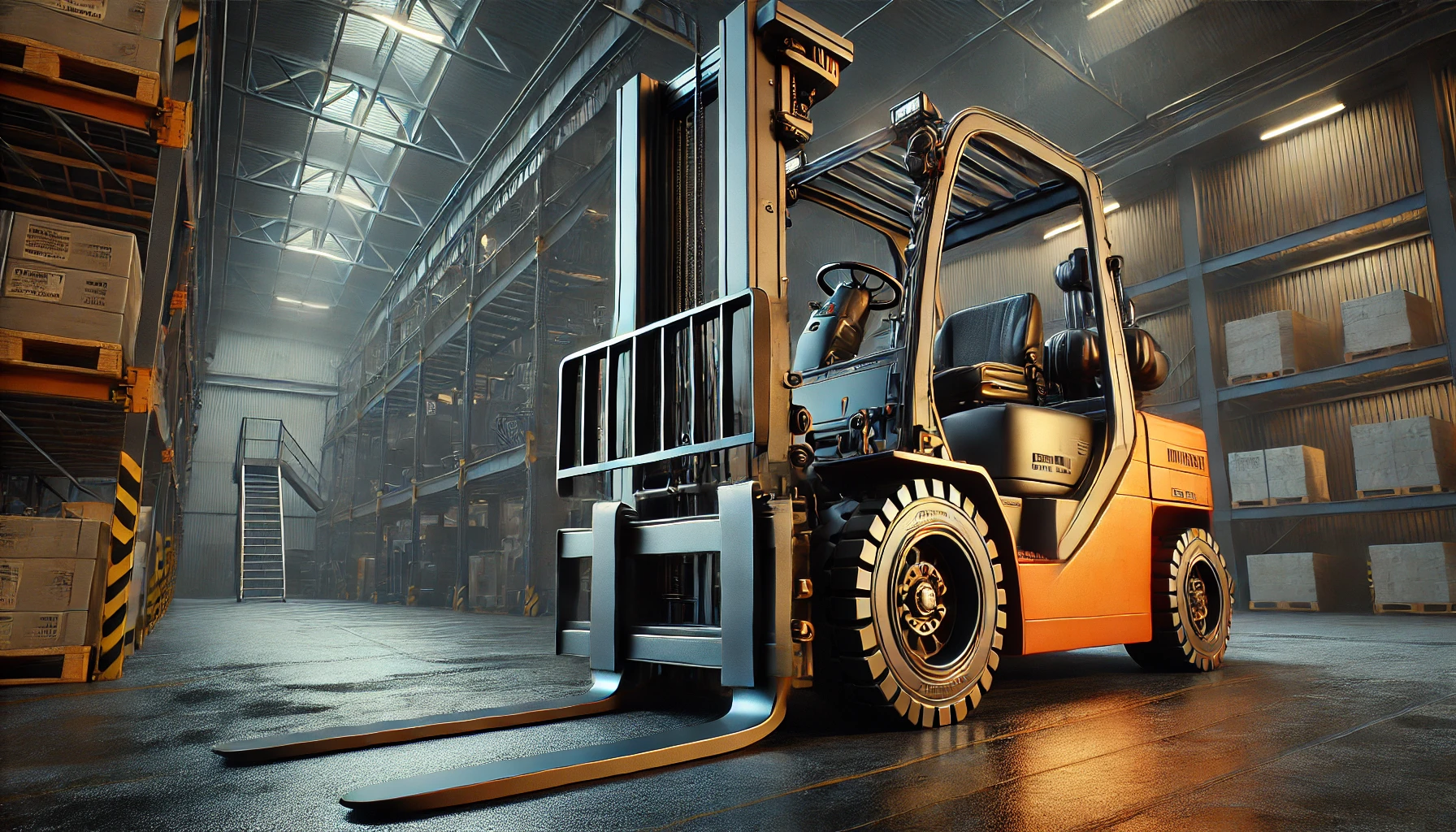
Forklifts are essential in industrial operations, but when used in hazardous environments, ensuring they do not become ignition sources is critical. For Safety Managers and Operations Leaders responsible for compliance, selecting the right material handling equipment is a decision that carries significant weight. This is where explosion-proof (EX) and intrinsically safe forklifts come into play. Designed to minimize risks in explosive atmospheres, these specialized forklifts comply with stringent safety standards, protecting both personnel and assets.
In this guide, we provide an authoritative overview of explosion-proof forklifts, their safety certifications, key features, and critical applications to help you make a safe, informed decision for your facility.
What is an Explosion-Proof (EX) Forklift?
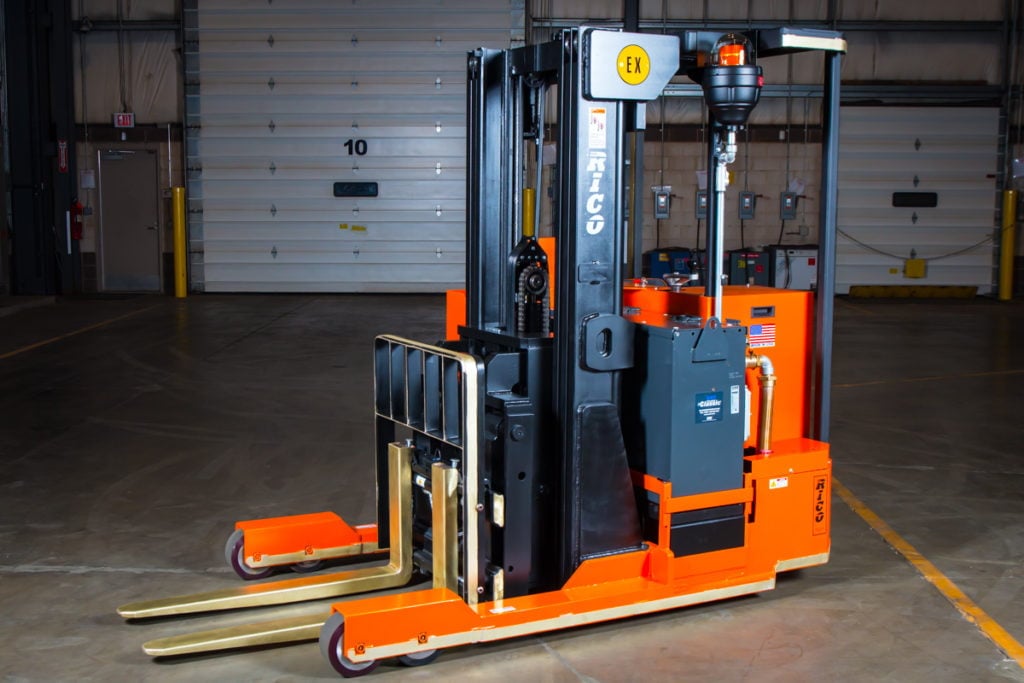
An explosion-proof (EX) forklift is a material handling vehicle meticulously engineered to operate safely in environments containing flammable gases, vapors, liquids, or combustible dusts. Unlike standard forklifts, every component of an EX forklift—from its electrical systems to its mechanical parts—is designed to prevent the generation of a spark or heat that could ignite the surrounding hazardous atmosphere.
How EX Forklifts Prevent Ignition in Hazardous Areas
EX forklifts achieve safety through several protection methods. The primary method is containment. Electrical components are housed in robust, sealed enclosures that can withstand an internal explosion without allowing flames or hot gases to escape and ignite the external environment. Other critical safety measures include:
- Spark-Resistant Materials: Forks and other moving parts are often made from or coated with non-sparking materials like bronze alloys.
- Temperature Control: Surfaces are designed to remain below the auto-ignition temperature of the specific hazardous substances present in the area.
- Static Electricity Prevention: Conductive tires and grounding straps are used to dissipate static charge safely.
Explosion-Proof vs. Intrinsically Safe: Understanding the Difference
While often used interchangeably, “explosion-proof” and “intrinsically safe” refer to two distinct methods of protection. Understanding this difference is crucial for selecting the correct equipment for your specific hazardous area classification.
- Explosion-Proof (Containment): This approach allows a spark or explosion to occur within a specially designed enclosure, but contains it to prevent it from igniting the wider environment. This method is common for high-power equipment like motors and switches on an EX forklift.
- Intrinsically Safe (Prevention): This method limits the electrical and thermal energy of a circuit to a level so low that it cannot generate a spark or heat sufficient to cause an ignition. This is a preventative measure, ideal for lower-power instrumentation and control circuits. An intrinsically safe forklift relies heavily on this principle for its control systems.
In essence, an explosion-proof system contains an ignition event, while an intrinsically safe system prevents it from ever happening. Many certified forklifts utilize a combination of both protection methods.
Hazardous Area Classifications for Forklifts: ATEX, IECEx, and NEC Explained
To ensure safety, regulatory bodies worldwide have established classification systems for hazardous locations. A forklift must be certified for the specific zone or division where it will operate. The primary standards are NEC for North America and ATEX/IECEx for Europe and international markets.
North American Standards: Class I, Division 1 & 2
The National Electrical Code (NEC) defines hazardous areas by Class (type of substance), and Division (likelihood of substance presence):
- Class I: Flammable gases or vapors are present.
- Division 1: Ignitable concentrations exist under normal operating conditions. A forklift operating here must be rated for Division 1.
- Division 2: Ignitable concentrations are present only under abnormal conditions (e.g., container failure or system breakdown).
European & International Standards: ATEX & IECEx Zone 1 & 2
The ATEX directive (for the EU) and the IECEx scheme (global) use a Zone system based on the frequency and duration of the presence of an explosive atmosphere:
- Zone 1 / 21: An area where an explosive atmosphere (gas/vapor for Zone 1, dust for Zone 21) is likely to occur in normal operation occasionally.
- Zone 2 / 22: An area where an explosive atmosphere (gas/vapor for Zone 2, dust for Zone 22) is not likely to occur in normal operation but, if it does, will persist for only a short period.
| Certification | Region | Description |
|---|---|---|
| ATEX | European Union | Ensures equipment is safe for explosive atmospheres, categorized by risk zones. |
| IECEx | International | Global standard verifying equipment’s safety in explosive environments. |
| NEC | North America | Defines hazardous location classifications for industrial equipment. |
Learn more about ATEX certification requirements and how they ensure safety in explosive environments.
Key Industries That Require Explosion-Proof Forklifts
Intrinsically safe and explosion-proof forklifts are essential across various industries where explosive risks are prevalent:
- Oil and Gas Facilities: Used in upstream, midstream, and downstream operations where flammable vapors and gases are constantly present.
- Chemical Plants: Critical for the safe handling of volatile chemicals, solvents, and other hazardous materials.
- Pharmaceutical Manufacturing: Ensures safe transportation of active ingredients and compounds, particularly those involving flammable alcohol-based solvents.
- Food Processing Plants: Mitigates the risk of dust explosions from fine particles like sugar, flour, grain, or spice dust in silos and processing areas.
- Mining Operations: Used in underground and surface areas where methane gas or combustible coal dust create high-risk environments.
- Aerospace and Defense: Required in facilities handling rocket propellants, jet fuel, and other highly volatile substances.
Critical Safety Features of a Certified Hazardous Area Forklift
Beyond the core protection methods, certified forklifts incorporate numerous specific safety features:
- Energy Limitation: Intrinsically safe circuits control electrical and thermal outputs to prevent any possibility of ignition under fault conditions.
- Enclosed Electrical Components: All motors, switches, and connectors are sealed in explosion-proof enclosures to contain any potential arcs or sparks.
- Temperature Control: The entire forklift, including the engine, motor, and hydraulic systems, is designed to operate below the auto-ignition temperature of the hazardous materials present.
- Robust Construction: Built with durable, corrosion-resistant materials to withstand harsh industrial environments and maintain the integrity of safety features over time.
- Static Dissipation: Includes conductive tires, grounding straps, and non-sparking materials on forks and chassis to prevent static electricity buildup and discharge.
Sourcing EX Forklifts: New Purchase vs. Certified Conversion
When acquiring an EX forklift, Safety Managers have two main options: purchasing a new, purpose-built unit or converting a standard forklift through a certified third-party specialist.
- New Purchase: Buying a forklift designed and manufactured from the ground up for hazardous area use ensures that all components are integrated and certified by the Original Equipment Manufacturer (OEM). This is often the safest and most reliable long-term solution.
- Certified Conversion: This involves taking a standard forklift and retrofitting it with explosion-proof enclosures, intrinsically safe wiring, and other necessary modifications. This process must be performed by a Nationally Recognized Testing Laboratory (NRTL) or similarly accredited body to be compliant. While potentially more cost-effective upfront, it requires rigorous verification of the conversion quality and certification.
How to Select the Right Intrinsically Safe Forklift
As a manager responsible for safety and compliance, your selection process must be meticulous. Following these steps will help you choose the correct equipment.
- Assess the Hazardous Area Classification: The first and most critical step is to correctly identify your facility’s hazardous area classification (e.g., Class I, Division 1; or Zone 1). This dictates the required certification level.
- Check Certification Requirements: Ensure the forklift holds a valid certification (e.g., ATEX, IECEx, or UL) that matches your site’s classification. Always request and verify the documentation from the supplier.
- Consider Operational Needs: Evaluate load capacity, lift height, maneuverability, and battery life to ensure the forklift can perform its intended tasks efficiently without compromising safety.
- Review Maintenance Protocols: A certified forklift is only safe if it is properly maintained. Ensure the equipment is designed for easy inspection and that your maintenance team is trained on the specific protocols for EX equipment.
Discover how to choose the right intrinsically safe equipment for all your operational needs.
Your Next Steps for Ensuring Forklift Safety and Compliance
Making the right choice is a multi-step process. As a responsible leader, your action plan should include:
- Conduct a Formal Risk Assessment: Work with safety professionals to document your hazardous area classifications and specific ignition risks.
- Engage with Certified Suppliers: Only work with reputable vendors who can provide full certification documentation and technical support for their EX forklifts.
- Develop a Training Program: Ensure operators and maintenance staff receive specialized training on the unique operational and service requirements of explosion-proof equipment.
- Implement a Strict Maintenance Schedule: Adhere to the manufacturer’s recommended inspection and maintenance intervals to ensure the forklift’s safety features remain intact throughout its lifecycle.
Benchmarking Forklift Safety: Key Statistics
| Safety Parameter | Standard Threshold | Intrinsically Safe Forklifts |
|---|---|---|
| Maximum Surface Temperature | <135°C | ≤120°C |
| Ignition Source Control | Zero tolerance | Achieved via energy limitation |
| Certification Requirements | ATEX, IECEx, NEC | Fully compliant |
| Maintenance Inspection Frequency | Every 6 months | Every 3-6 months |
Maintenance Tips for Intrinsically Safe Forklifts
- Regular Inspections: Check for wear, damage, or corrosion on enclosures, wiring, and grounding straps that could compromise safety.
- Battery Care: Ensure proper charging and maintenance in a designated safe area to avoid electrical faults or sparks.
- Component Verification: Only replace worn-out parts with certified components from the original manufacturer to maintain the unit’s safety rating.
- Record Keeping: Maintain detailed logs of all inspections, maintenance activities, and component replacements for compliance audits and safety verification.
Frequently Asked Questions (FAQs)
What differentiates intrinsically safe forklifts from explosion-proof forklifts?
Intrinsically safe forklifts limit energy to prevent ignition at the source (prevention), while explosion-proof forklifts are designed to contain and isolate a potential internal explosion to stop it from igniting the surrounding atmosphere (containment).
Can intrinsically safe forklifts be used outdoors?
Yes, as long as they are rated for the specific hazardous zone and environmental conditions, including temperature, moisture, and corrosive elements.
How often should intrinsically safe forklifts be inspected?
Regular inspections should be conducted based on manufacturer recommendations, regulatory requirements, and operational risk assessments. A common frequency is quarterly, with daily checks by the operator.
What certifications should I look for in a safe forklift?
Ensure compliance with ATEX for Europe, IECEx for international standards, or NEC/UL ratings for North America, based on your operational region.
Are intrinsically safe forklifts more expensive?
They have a higher initial acquisition cost due to their specialized engineering, testing, and construction. However, they provide critical long-term value by preventing catastrophic accidents, ensuring regulatory compliance, and reducing insurance liability.
Conclusion
Choosing the right intrinsically safe or explosion-proof forklift is a critical responsibility for ensuring safety and compliance in hazardous industrial environments. These specialized vehicles are not just equipment; they are a fundamental component of your facility’s process safety management system.
By thoroughly understanding the certifications, assessing your specific risks, selecting the appropriate equipment, and maintaining it effectively, you can safeguard your workforce, protect your assets, and ensure seamless, productive operations.
Talk to a Hazardous Area Specialist
Ensure your operations meet the highest safety standards with a certified explosion-proof forklift. Contact the Intrinsically Safe Store to speak with an expert and explore compliant solutions tailored to your specific hazardous area requirements.