

Intrinsically Safe Knowledge Base
Intrinsically Safe Devices: Safe Tech for Hazardous Environments
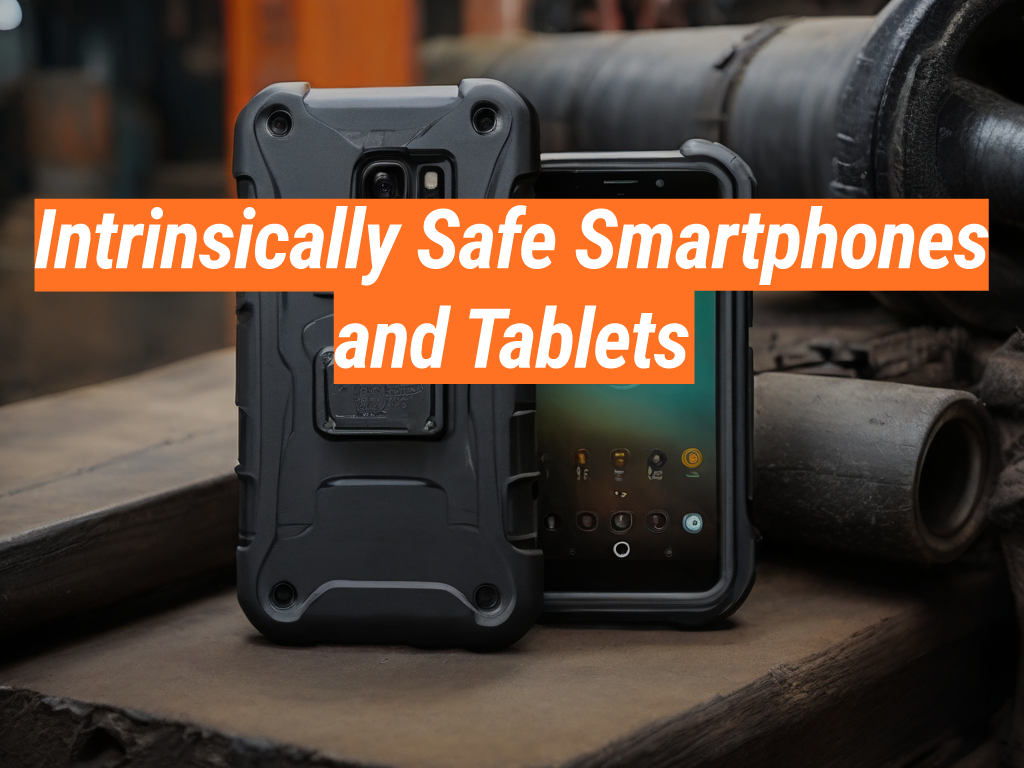
As technology continues to evolve, it’s becoming increasingly integrated into every aspect of our lives, including our workplaces. One area where this is particularly evident is in the use of smartphones and tablets in hazardous environments. This is where Intrinsically Safe Store comes into play, offering a wide range of intrinsically safe (IS) devices designed to ensure safety in potentially explosive environments. These advancements allow for real-time communication and data management, bringing the efficiency of modern digital tools to industries where safety is paramount. Let’s delve deeper into the world of IS smartphones and tablets.
Understanding Intrinsically Safe Devices
Intrinsically safe devices are designed to limit the electrical and thermal energy available for ignition. This means they can be safely used in hazardous areas where flammable gases, vapors, or dust are present. These devices are not just limited to smartphones and tablets, but also include cameras, flashlights, and other handheld devices.
The Importance of Intrinsically Safe Smartphones and Tablets
IS smartphones and tablets are crucial in industries such as oil and gas, chemical, pharmaceutical, and mining. They allow workers to communicate, capture data, and perform other tasks without risking an explosion. Here are some reasons why these devices are essential:
- Enhanced Safety: IS devices reduce the risk of ignition in hazardous areas, ensuring the safety of workers and the environment.
- Improved Efficiency: With IS smartphones and tablets, workers can perform tasks on-site without needing to leave the hazardous area, improving operational efficiency.
- Cost-Effective: While IS devices may have a higher upfront cost, they can save businesses money in the long run by preventing costly accidents and downtime.
Key Features & Benefits
Modern intrinsically safe smartphones and tablets offer more than just safety. They are powerful tools designed for productivity in harsh conditions. Key features often include:
- Rugged Construction: Built to withstand drops, shocks, and vibrations, many devices are MIL-STD-810G certified. They also feature high IP ratings (e.g., IP67, IP68) for dust and water resistance.
- Long Battery Life: Equipped with high-capacity batteries to last through long shifts without needing a recharge in a safe area.
- Advanced Connectivity: Reliable Wi-Fi, Bluetooth, 4G/5G, and Push-to-Talk (PTT) capabilities ensure seamless communication across large facilities.
- High-Quality Data Capture: Integrated high-resolution cameras, barcode scanners, and RFID readers allow for efficient data collection and documentation directly on-site.
- Global Certifications: Certified for use in hazardous locations worldwide, with ratings such as ATEX (Europe), IECEx (International), and Class/Division (North America).
Case Study: The Impact of IS Devices in the Oil and Gas Industry
For example, many facilities report improved safety compliance and operational efficiency after deploying a certified IS mobile device strategy, as it eliminates the need for personnel to enter and exit hazardous areas for simple data lookups or communication.
Choosing the Right IS Device
When choosing an IS smartphone or tablet, it’s important to consider factors such as the device’s certification, its compatibility with other IS equipment, and its features. Intrinsically Safe Store offers a wide range of IS devices from leading brands, ensuring you find the right device for your needs.
Frequently Asked Questions
What is the main difference between an intrinsically safe device and a standard rugged device?
While both are built for durability, an intrinsically safe device is specifically engineered to prevent the ignition of flammable materials. Its internal circuitry is designed to limit electrical and thermal energy to levels below what is required to cause a spark or hot surface that could lead to an explosion. A standard rugged device can withstand physical stress but lacks these critical internal safety features for hazardous areas.
Can I make my regular smartphone safe by putting it in a special hazardous area case?
No. An “explosion-proof” or hazardous area case is not sufficient to make a standard smartphone safe for use in explosive atmospheres. True intrinsic safety is designed into the device’s core electronics. A standard phone can still generate sparks or heat that can escape any case, posing a significant ignition risk. Always use devices certified for your specific hazardous location rating.
What are the most common certifications for IS smartphones and tablets?
The most common certifications are ATEX for Europe, IECEx for international use, and NEC/CEC (e.g., Class I, Division 1) for North America. The specific zone or division rating required depends on the level of hazard present in your work environment. It is crucial to match the device’s certification to the requirements of your facility.
Enhancing Safety with Intrinsically Safe Smartphones and Tablets
Intrinsically safe smartphones and tablets are fundamentally changing safety protocols in hazardous industries. By limiting the risk of ignition, these devices not only protect workers but also improve operational efficiency and save businesses money. As technology continues to evolve, we can expect to see even more advancements in this field. Visit Intrinsically Safe Store today to explore the range of IS devices available and find the perfect solution for your needs.
If you have any questions or need further assistance, don’t hesitate to talk to a hazardous area specialist. Our team of experts is always ready to help you make the right choice.