Intrinsically Safe Products
Intrinsically Safe Phone Cases: Protecting Your Device in Hazardous Areas
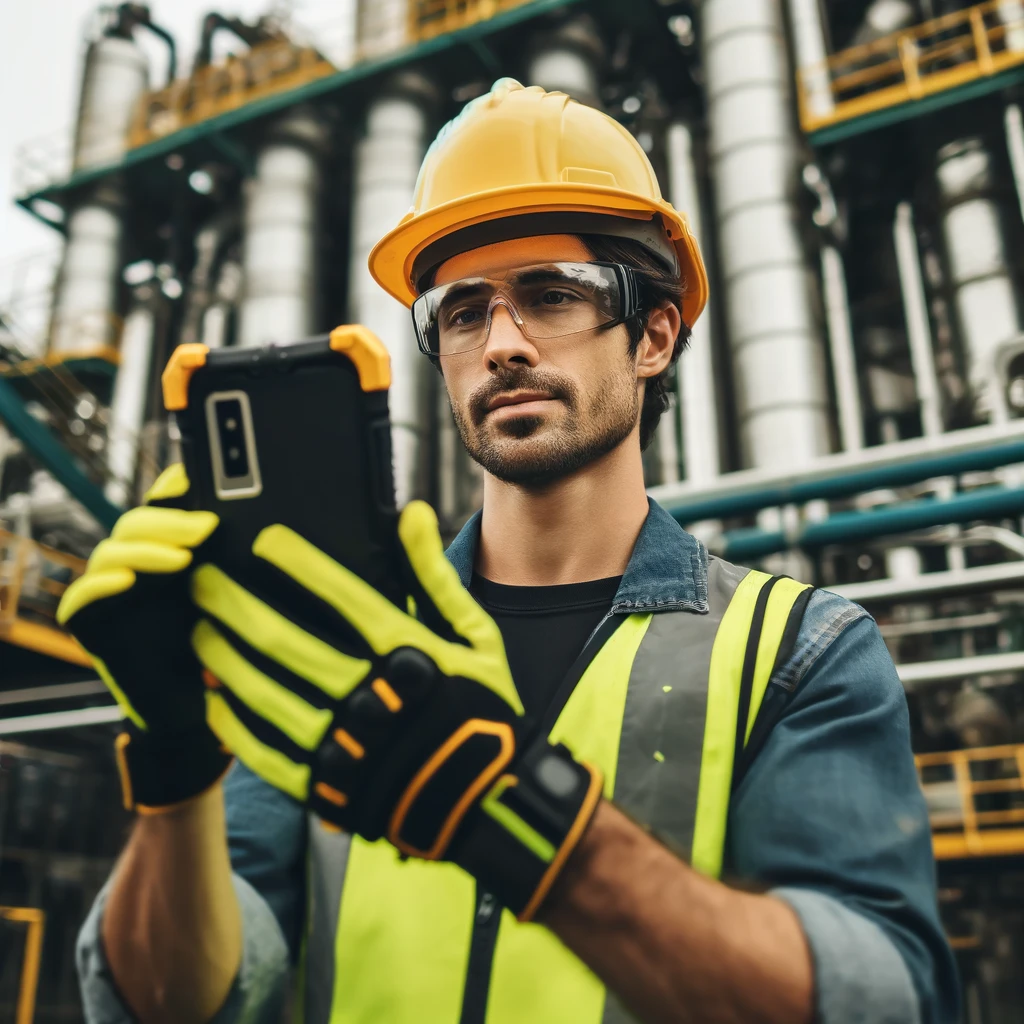
In hazardous industries such as oil and gas, mining, and chemical manufacturing, smartphones are essential tools for communication, data access, and safety monitoring. However, using electronic devices in explosive environments poses risks due to potential sparks, heat, or electrical discharge.
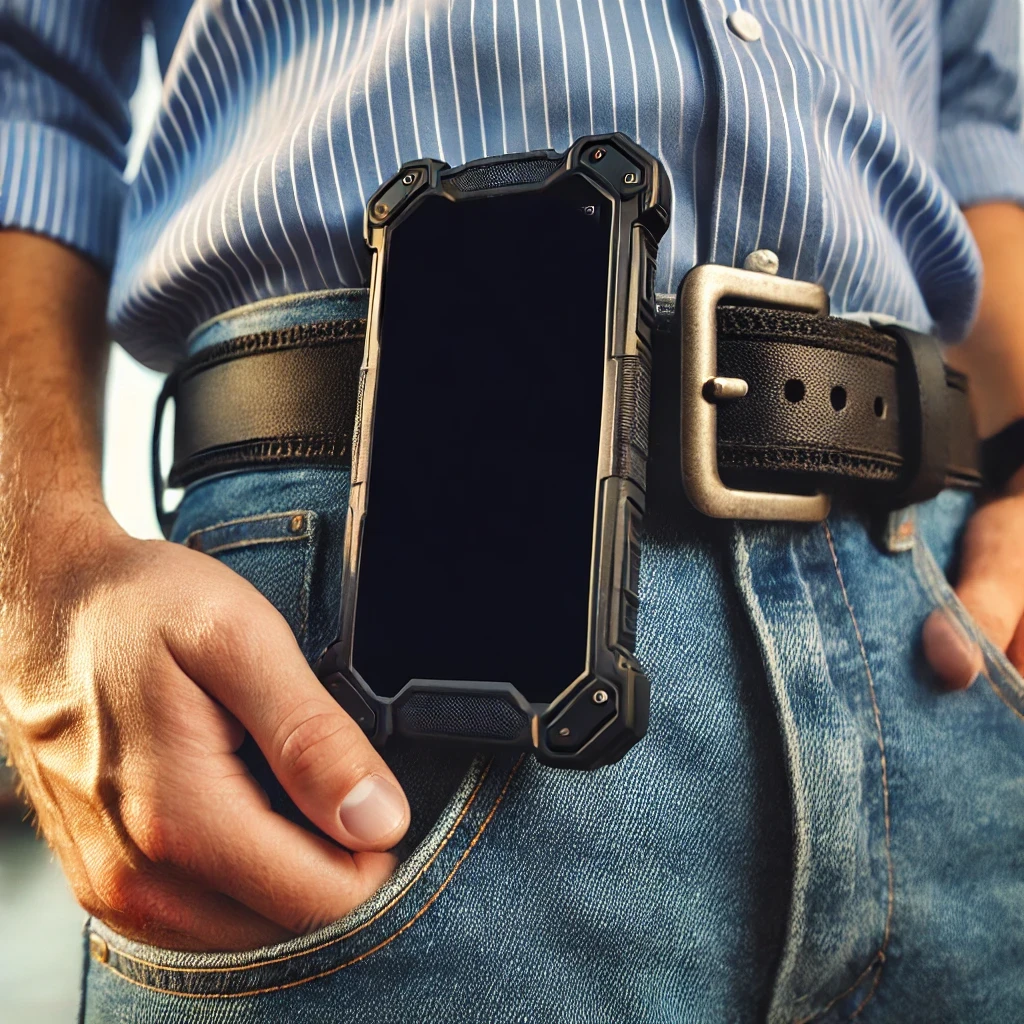
This is where intrinsically safe phone cases become vital. These cases prevent standard mobile devices from becoming ignition sources while still allowing full functionality.
Key Features of Intrinsically Safe Phone Cases
- Designed to prevent ignition in explosive atmospheres
- Certified to meet ATEX, IECEx, and Class I, Division 2 safety standards
- Protects devices from impact, dust, water, and chemical exposure
- Ensures smartphone usability in industrial environments
- Compatible with iPhones, Samsung, and other rugged devices
Browse our collection of ATEX and IECEx-certified intrinsically safe phone cases for hazardous environments.
Why Use an Intrinsically Safe Phone Case?
An intrinsically safe phone case allows for safe mobile device use in hazardous areas without igniting flammable gases, dust, or vapors.
Key Benefits
- Prevents explosions and fire hazards by containing potential ignition sources
- Enables compliance with ATEX, IECEx, and Class I, Division 2 safety regulations
- Protects smartphones from extreme conditions, including dust, chemicals, and impacts
- Maintains device functionality, allowing access to important apps, communication tools, and work data
Difference Between Intrinsically Safe and Standard Rugged Cases
Many people assume that rugged phone cases provide enough protection in hazardous environments, but they are not designed for explosion-prone areas. Here’s how they differ:
| Feature | Standard Rugged Case | Intrinsically Safe Case |
|---|---|---|
| Explosion Prevention | No protection from ignition risks | Prevents ignition of gases and dust |
| Certifications | None | ATEX, IECEx, C1D2 |
| Drop Protection | Shock-resistant | Shock and explosion-resistant |
| Water Resistance | Often IP-rated | Usually IP67 or higher |
| Chemical Resistance | Not designed for chemicals | Resistant to industrial chemicals |
Can I Use a Standard Rugged Case in a Hazardous Area?
No. A non-certified case does not prevent ignition risks, making it unsafe for ATEX Zone 1/2 or Class I, Division 2 areas.
Best Intrinsically Safe Phone Cases for iPhones & Other Brands
The Intrinsically Safe Store offers a variety of certified phone cases for different brands and models. Here’s a comparison of the top options:
| Model | Compatible Devices | Certifications | Key Features | Best For |
|---|---|---|---|---|
| Ecom Smart-Ex 02 Case | iPhone 12 / 13 / Samsung Galaxy S21 | ATEX Zone 1/21, IECEx | Explosion-proof, chemical-resistant, waterproof | Oil & Gas, Chemical Plants |
| Xciel XCiPhone 14 Case | iPhone 14 / 14 Pro | ATEX Zone 2, Class I Div 2 | Shockproof, anti-static material | Manufacturing, Utilities |
| Xciel XCZ1 Galaxy Case | Samsung Galaxy S22 | ATEX Zone 1, IECEx | Reinforced with aluminum, water-resistant | Mining, Pharmaceuticals |
| i.safe MOBILE IS655.2 Case | i.safe MOBILE devices | ATEX Zone 2, Class I Div 2 | Slim, rugged, maintains touch sensitivity | Transportation, Warehouses |
Not sure which phone case is right for your workplace? Speak with an expert today.
Use Cases in Industrial Environments
Intrinsically safe phone cases are crucial for hazardous worksites across multiple industries.
1. Oil & Gas Industry
- Prevents electrical discharge in highly flammable environments
- Recommended Model: Ecom Smart-Ex 02 Case (ATEX Zone 1)
2. Mining Operations
- Protection from combustible dust and underground hazards
- Recommended Model: Xciel XCZ1 Galaxy Case (ATEX Zone 1, IECEx)
3. Chemical & Pharmaceutical Plants
- Prevents chemical exposure damage while ensuring device usability
- Recommended Model: Xciel XCiPhone 14 Case (ATEX Zone 2, Class I Div 2)
4. Manufacturing & Utilities
- Protects smartphones from factory dust, spills, and equipment damage
- Recommended Model: i.safe MOBILE IS655.2 Case (ATEX Zone 2)
Buying Guide: Choosing the Right Intrinsically Safe Phone Case
When selecting an intrinsically safe phone case, consider these factors:
| Factor | What to Consider |
|---|---|
| Workplace Hazard Level | Zone 1/21 or Zone 2/22? Choose cases certified for your specific environment |
| Device Compatibility | Ensure the case fits your smartphone model (iPhone, Samsung, i.safe MOBILE) |
| Certification | Look for ATEX, IECEx, or Class I, Div 2 approval |
| Durability | Cases should be impact-resistant, chemical-resistant, and waterproof |
| Ease of Use | Check for touchscreen responsiveness and access to buttons |
Still have questions about intrinsically safe phone cases? Contact our team for personalized guidance.
Frequently Asked Questions (FAQs)
What does “intrinsically safe” mean for phone cases?
An intrinsically safe phone case is designed to prevent heat, sparks, or static electricity from igniting flammable gases, dust, or vapors in hazardous environments.
How do I know if a phone case is intrinsically safe?
Look for certifications like ATEX, IECEx, or Class I Division 2. These labels confirm that the case meets strict explosion-proof safety standards.
Are intrinsically safe phone cases waterproof?
Yes! Most models are IP67 or IP68-rated, meaning they are dustproof and waterproof for use in harsh industrial conditions.
Can I charge my phone while using an intrinsically safe case?
Yes, but only with certified intrinsically safe chargers or wireless charging stations designed for hazardous locations.
Where can I buy certified intrinsically safe phone cases?
Visit the Intrinsically Safe Store for a selection of ATEX & IECEx-certified phone cases.
Final Thoughts
An intrinsically safe phone case is not just an accessory—it’s a safety essential for professionals working in hazardous locations.
- Prevents device ignition risks in explosive environments
- Ensures compliance with ATEX, IECEx, and C1D2 safety standards
- Protects smartphones from industrial damage and harsh conditions