Intrinsically Safe Knowledge Base
Intrinsically Safe Technology Review 2025
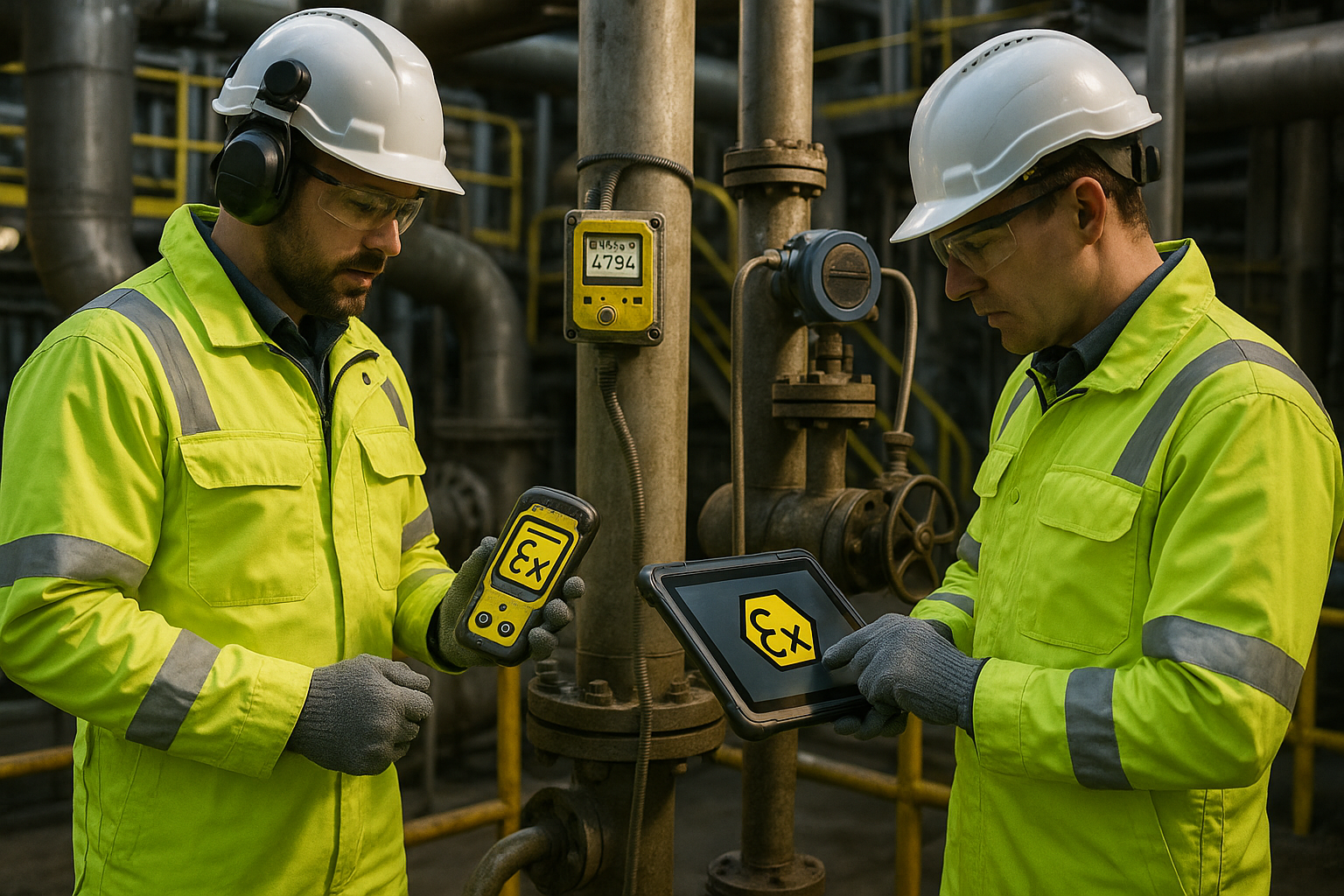
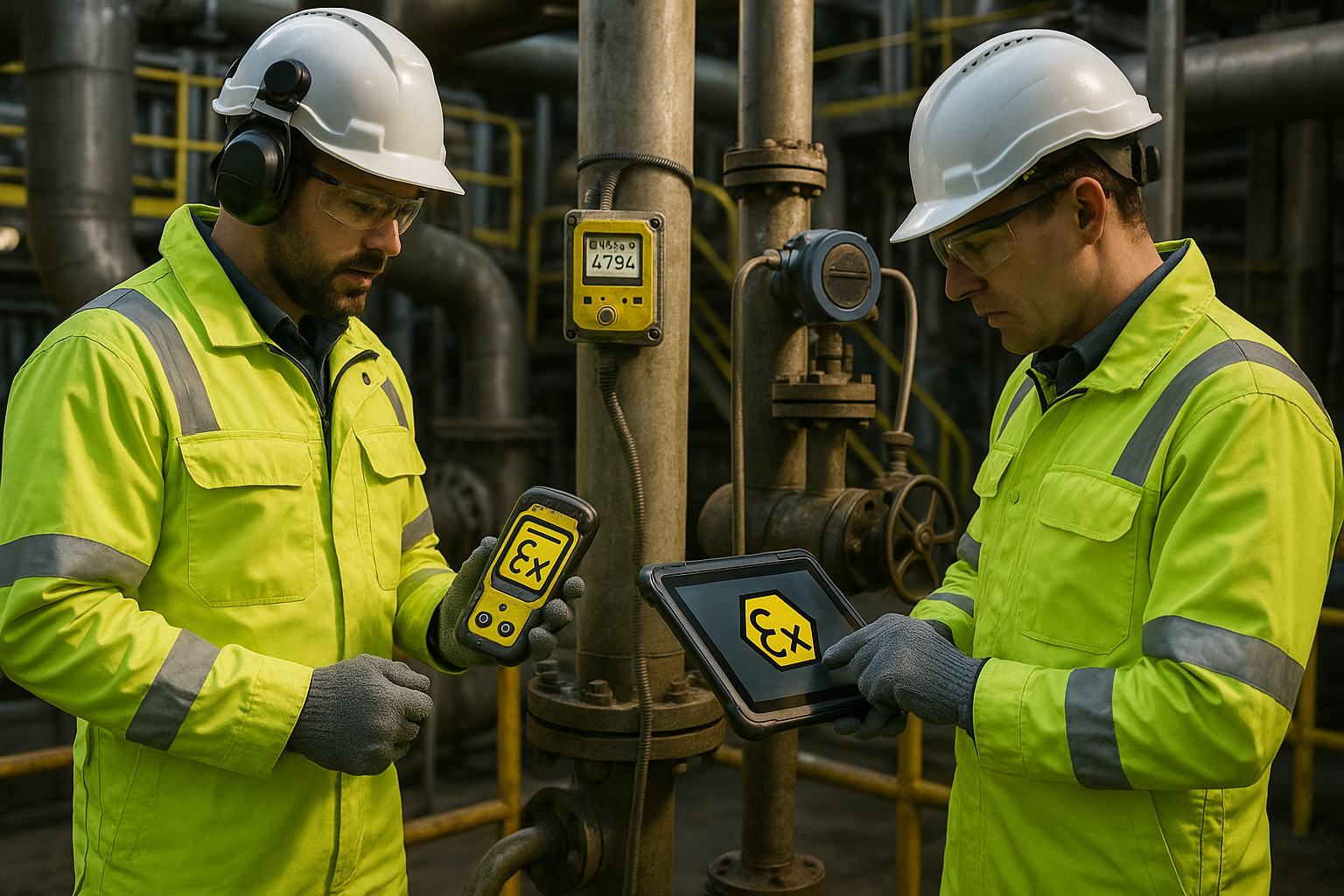
As we navigate the complexities of industrial safety, intrinsically safe technology stands out as a pivotal innovation, especially in environments prone to explosive hazards. By 2025, this technology is not only about meeting compliance standards but also about embracing innovation and efficiency. Designed to prevent sparks or thermal effects that could ignite hazardous atmospheres, intrinsically safe technology is essential in sectors like oil and gas, mining, and chemical manufacturing. The core principle is to limit energy—both electrical and thermal—to levels that cannot cause ignition, ensuring safety in the most challenging environments.
Understanding Intrinsically Safe Technology: A 2025 Review
In 2025, the landscape of intrinsically safe technology is shaped by advancements in materials science, such as the use of advanced anti-static polymers in device casings to improve durability without compromising safety. These materials are lighter, more durable, and offer better performance, which is crucial for devices that need to operate reliably in harsh environments. For instance, the use of advanced polymers and composites is becoming more prevalent, offering enhanced resistance to corrosion and wear.

Digital transformation is another driving force in the evolution of intrinsically safe technology. The integration of IoT (Internet of Things) and AI (Artificial Intelligence) is revolutionizing how safety is managed in hazardous environments, with IS-certified IoT sensors enabling real-time gas detection and predictive maintenance alerts in Zone 1 environments. Smart sensors and devices that are intrinsically safe can now collect and analyze data in real-time, providing insights that were previously unattainable. This data-driven approach allows for predictive maintenance, reducing downtime and preventing accidents before they occur. The ability to monitor equipment remotely also enhances safety by minimizing the need for human presence in dangerous areas.
Moreover, regulatory standards are continuously evolving to keep pace with technological advancements. In 2025, compliance with international standards such as ATEX and IECEx is more critical than ever. These standards ensure that equipment used in explosive atmospheres meets rigorous safety requirements. As regulations become more stringent, manufacturers are investing heavily in research and development to create products that not only meet but exceed these standards. This proactive approach not only ensures compliance but also builds trust with consumers and stakeholders.
The role of training and education cannot be overlooked in the context of intrinsically safe technology. As devices become more sophisticated, there is a growing need for skilled professionals who understand both the technical and safety aspects. Companies are increasingly investing in training programs to equip their workforce with the necessary skills to operate and maintain intrinsically safe equipment. This focus on education ensures that safety is ingrained in the organizational culture, reducing the risk of human error.
Ready to upgrade your intrinsically safe technology?
Explore certified mobility solutions that keep your team connected and compliant in any hazardous area.
View Intrinsically Safe TabletsBrowse Handheld ComputersDiscover Safe Cell PhonesFind Rugged IS Cases
In summary, intrinsically safe technology in 2025 is characterized by innovation, integration, and compliance. The advancements in materials and digital technologies are enhancing the safety and efficiency of operations in hazardous environments. As industries continue to prioritize safety, the demand for intrinsically safe solutions will only grow, driving further innovation and development in this critical field.
The Main Benefits of Intrinsically Safe Technology Review 2025
As we delve into the landscape of Intrinsically Safe Technology Review 2025, it becomes evident that the advancements in this field are not just incremental but transformative. The primary benefit of intrinsically safe technology lies in its ability to ensure safety in hazardous environments without compromising on operational efficiency. This technology is designed to prevent sparks and excessive heat, which are potential ignition sources in explosive atmospheres. By doing so, it significantly reduces the risk of accidents in industries such as oil and gas, mining, and chemical manufacturing, where volatile substances are prevalent.
One of the standout benefits of the 2025 review is the integration of cutting-edge materials and design innovations that enhance the durability and reliability of intrinsically safe devices. These advancements mean that equipment can withstand harsh conditions for longer periods, reducing the need for frequent replacements and maintenance. This not only lowers operational costs but also minimizes downtime, allowing companies to maintain productivity levels without sacrificing safety. The use of advanced materials also contributes to lighter and more ergonomic designs, making it easier for workers to handle and operate the equipment in challenging environments.
Another significant advantage highlighted in the 2025 review is the seamless integration of intrinsically safe technology with the Internet of Things (IoT). This integration allows for real-time monitoring and data collection, providing valuable insights into equipment performance and environmental conditions. By leveraging IoT capabilities, companies can implement predictive maintenance strategies, identifying potential issues before they lead to equipment failure or safety incidents. This proactive approach not only enhances safety but also optimizes resource allocation and operational efficiency.
The review also emphasizes the role of intrinsically safe technology in fostering innovation and collaboration across industries. As companies strive to meet stringent safety standards, there is a growing trend towards open-source platforms and collaborative research initiatives. This collective effort accelerates the development of new solutions and encourages the sharing of best practices, ultimately driving the industry forward. The 2025 review highlights several case studies where cross-industry collaboration has led to breakthroughs in safety technology, underscoring the importance of a unified approach to tackling complex safety challenges.
Furthermore, the advancements in intrinsically safe technology are contributing to a more sustainable future. By enhancing the efficiency and lifespan of equipment, companies can reduce their environmental footprint. The focus on sustainability is further reinforced by the development of energy-efficient devices that consume less power while maintaining high performance levels. This aligns with global efforts to reduce carbon emissions and promote environmentally responsible practices across industries.
In summary, the Intrinsically Safe Technology Review 2025 showcases a range of benefits that extend beyond safety, encompassing operational efficiency, innovation, and sustainability. As industries continue to evolve, the adoption of intrinsically safe technology will play a crucial role in shaping a safer and more sustainable future. The insights from the 2025 review provide a roadmap for companies looking to harness the full potential of this technology, ensuring that they remain at the forefront of safety and innovation in an ever-changing industrial landscape.
Key Technology Trends to Watch in 2025
The landscape of intrinsically safe technology is not static. As we look to 2025 and beyond, several key trends are set to redefine safety, connectivity, and efficiency in hazardous environments. Staying ahead of these developments is crucial for any organization committed to operational excellence.
Miniaturization and Wearable IS Devices
One of the most significant trends is the move towards smaller, more powerful devices. Advances in microelectronics and battery technology now allow for the creation of compact yet robust intrinsically safe sensors, cameras, and communication tools. This trend also fuels the growth of intrinsically safe wearables, such as smartwatches and connected helmets, that provide workers with real-time data and communication capabilities without hindering mobility. These devices improve situational awareness and enable faster emergency response.
Enhanced Wireless Connectivity (5G and Wi-Fi 6E)
Reliable communication is non-negotiable in hazardous areas. The rollout of private 5G networks and Wi-Fi 6E is a game-changer for intrinsically safe devices. These technologies offer higher bandwidth, lower latency, and the ability to connect a massive number of IoT sensors simultaneously. This enables high-definition video streaming for remote inspections, real-time asset tracking, and robust data transfer from sensors, all within a certified safe framework.
AI-Powered Predictive Analytics
The integration of Artificial Intelligence (AI) and Machine Learning (ML) is transforming raw data from IS sensors into actionable intelligence. By analyzing patterns in equipment performance, temperature, and vibration, AI algorithms can predict potential failures before they occur. This proactive approach to maintenance minimizes unplanned downtime, prevents catastrophic failures, and enhances overall plant safety. For more on cutting-edge industrial topics, explore our full range of articles.
Getting Started with Intrinsically Safe Technology Review 2025
Embarking on the journey of understanding and implementing the Intrinsically Safe Technology Review 2025 requires a strategic approach that balances technical knowledge with practical application. The first step is to familiarize yourself with the latest advancements and updates in intrinsically safe technology. This involves delving into the comprehensive review, which outlines the innovations and regulatory changes that have emerged in recent years. By doing so, you gain a foundational understanding of how these technologies are evolving to meet the demands of modern industrial environments.
Once you have a grasp of the current landscape, it’s crucial to assess your specific needs and objectives. Consider the unique requirements of your industry and the environments in which your equipment operates. Intrinsically safe technology is particularly relevant in hazardous areas where explosive gases, vapors, or dust may be present. Understanding the specific risks and safety standards applicable to your operations will guide you in selecting the most appropriate solutions. This assessment should also include a review of your existing equipment and processes to identify areas where intrinsically safe technology can enhance safety and efficiency.
Engaging with industry experts and stakeholders is another vital step in this process. Networking with professionals who have experience in implementing intrinsically safe solutions can provide valuable insights and practical advice. Attending industry conferences, webinars, and workshops can also be beneficial, as these platforms often feature discussions on the latest trends and case studies. By connecting with others in the field, you can gain a deeper understanding of best practices and potential pitfalls to avoid.
Define Your 2025 Hazardous Area Technology Plan
Get a personalized consultation with a hazardous area specialist to assess your needs, ensure compliance, and receive a tailored quote.
Request a Specialist ConsultationCall for an Immediate Quote: 832 699 6726
As you move forward, it’s important to collaborate with manufacturers and suppliers who specialize in intrinsically safe products. These partners can offer guidance on selecting the right equipment and ensuring compliance with relevant standards. They can also provide training and support to help your team effectively integrate these technologies into your operations. Building strong relationships with these experts will ensure that you have access to the latest innovations and can adapt to any changes in regulations or industry standards.
Finally, developing a comprehensive implementation plan is essential for a successful transition to intrinsically safe technology. This plan should outline the steps needed to integrate new equipment, train personnel, and monitor performance. It should also include a timeline and budget to ensure that the project stays on track. Regularly reviewing and updating this plan will help you address any challenges that arise and make necessary adjustments to optimize safety and efficiency.
By following these steps, you can effectively navigate the complexities of the Intrinsically Safe Technology Review 2025 and position your organization to benefit from the enhanced safety and operational advantages that these technologies offer.
Optimal Timing for Reviewing Intrinsically Safe Technology in 2025
As we approach 2025, the landscape of intrinsically safe technology is poised for significant evolution, driven by advancements in digital innovation and regulatory changes. Determining the best time to conduct a comprehensive review of this technology is crucial for industries that rely on it to ensure safety in hazardous environments. The timing of such a review can greatly influence the effectiveness of safety protocols and the integration of new technologies.
The first quarter of 2025 presents an ideal window for reviewing intrinsically safe technology. This period is strategically advantageous because it aligns with the release of annual reports and updates from leading technology developers and regulatory bodies. These reports often contain critical insights into the latest advancements, compliance requirements, and emerging trends. By conducting a review early in the year, organizations can incorporate these insights into their safety strategies, ensuring they remain at the forefront of technological and regulatory developments.
Moreover, the beginning of the year is typically a time when companies set their budgets and strategic priorities. By aligning the review of intrinsically safe technology with this planning phase, organizations can allocate resources more effectively. This ensures that any necessary upgrades or changes to safety protocols are financially supported and strategically aligned with broader organizational goals. Additionally, early reviews allow for the identification of potential gaps in current safety measures, providing ample time to address these issues before the year progresses.
Preparing for your next intrinsically safe technology review?
Dive deeper into device selection and compliance requirements before finalizing your 2025 upgrade plan.
Intrinsically Safe Tablet Comparison GuideC1D1 & C1D2 Equipment Requirements Explained
Another compelling reason to conduct the review in the first quarter is the opportunity to engage with industry conferences and workshops that often occur during this time. These events provide a platform for networking with experts, sharing best practices, and gaining insights into how other organizations are leveraging intrinsically safe technology. Attending these events can enrich the review process by offering diverse perspectives and innovative solutions that might not be apparent through internal assessments alone.
However, it is also important to consider the dynamic nature of intrinsically safe technology, which is continuously evolving. While the first quarter offers numerous advantages, organizations should remain flexible and open to conducting additional reviews as needed throughout the year. This adaptability ensures that they can respond promptly to any unforeseen changes in technology or regulations, maintaining a robust safety framework.
In summary, the optimal timing for reviewing intrinsically safe technology in 2025 is early in the year, particularly during the first quarter. This timing aligns with the release of critical industry insights, supports strategic planning and budgeting, and offers opportunities for engagement with industry events. By conducting a thorough review during this period, organizations can position themselves to effectively integrate new technologies and maintain compliance with evolving safety standards, ultimately safeguarding their operations and personnel in hazardous environments.
Exploring the Best Platforms for Intrinsically Safe Technology Review 2025
As we delve into the landscape of intrinsically safe technology in 2025, it’s crucial to identify the most reliable platforms for comprehensive reviews. The rapid evolution of technology, especially in sectors requiring stringent safety measures, necessitates a thorough understanding of where to find credible insights. Intrinsically safe technology, designed to prevent sparks and overheating in hazardous environments, is pivotal in industries like oil and gas, mining, and chemical manufacturing. Therefore, accessing detailed reviews is essential for professionals seeking to implement or upgrade their safety protocols.
One of the foremost places to explore these reviews is specialized industry websites and forums. Websites dedicated to industrial safety and technology, such as Control Global and HazardEx, offer in-depth articles and user-generated content that provide valuable insights into the latest advancements and user experiences. These platforms often feature expert analyses, case studies, and detailed comparisons of different technologies, making them indispensable resources for industry professionals. Engaging with these communities allows users to ask questions, share experiences, and gain a deeper understanding of how various intrinsically safe technologies perform in real-world scenarios.
Another valuable resource is academic and industry journals. Publications like the Journal of Loss Prevention in the Process Industries and the IEEE Transactions on Industry Applications frequently publish peer-reviewed articles that delve into the technical aspects and innovations in intrinsically safe technology. These journals provide a more scientific perspective, often backed by empirical research and data, which can be crucial for those looking to understand the underlying principles and effectiveness of different technologies. Accessing these journals, either through institutional subscriptions or online databases, can offer a wealth of information that is both credible and detailed.
Trade shows and industry conferences also serve as excellent venues for reviewing intrinsically safe technology. Events such as the Offshore Technology Conference and the International Society of Automation’s annual gatherings provide opportunities to see the latest technologies in action. These events often feature demonstrations, workshops, and presentations by leading experts in the field, offering attendees firsthand experience with the products and the chance to engage directly with manufacturers and developers. Networking with other professionals at these events can also lead to valuable insights and recommendations based on their experiences.
Lastly, online review platforms and e-commerce sites like Amazon and Alibaba, while not traditionally associated with industrial technology, have increasingly become sources of user reviews and ratings for intrinsically safe products. These platforms allow users to share their experiences with specific products, providing practical insights into their performance, durability, and ease of use. While these reviews should be considered alongside more technical analyses, they can offer a user-centric perspective that is often missing from more formal reviews.
In summary, finding the best reviews for intrinsically safe technology in 2025 involves a multi-faceted approach. By leveraging industry-specific websites, academic journals, trade shows, and online review platforms, professionals can gather a comprehensive understanding of the available technologies. This holistic approach ensures that decisions are informed by a blend of expert analysis, empirical research, and real-world user experiences, ultimately leading to safer and more effective implementations in hazardous environments.
Frequently Asked Questions About Intrinsically Safe Technology Review 2025
What is Intrinsically Safe Technology?
Intrinsically safe technology refers to equipment and wiring that are designed to prevent the release of sufficient energy to cause ignition in hazardous environments. This is crucial in industries such as oil and gas, mining, and chemical manufacturing, where flammable gases, vapors, or dust may be present.
Why is Intrinsically Safe Technology Important in 2025?
As industries continue to evolve, the demand for safety and compliance with international standards has never been higher. In 2025, intrinsically safe technology is not just about compliance; it is about ensuring operational efficiency and protecting human lives.
What are the Latest Advancements in Intrinsically Safe Technology?
By 2025, intrinsically safe technology has seen significant advancements, particularly in the integration with IoT and smart technologies. Modern intrinsically safe devices are now equipped with enhanced connectivity features, allowing seamless integration with industrial networks.
How Does Intrinsically Safe Technology Impact Cost and Efficiency?
While the initial investment in intrinsically safe technology can be higher compared to non-certified equipment, the long-term benefits often outweigh the costs. By preventing accidents and ensuring compliance with safety regulations, companies can avoid costly fines and downtime.
What Should Companies Consider When Implementing Intrinsically Safe Technology?
When implementing intrinsically safe technology, companies should consider several factors, including conducting a thorough risk assessment, selecting the right equipment, and investing in training for their workforce.
Conclusion
The advancements in intrinsically safe technology by 2025 are transformative, offering a blend of safety, efficiency, and innovation. As industries continue to prioritize safety, the demand for these solutions will only grow, driving further development in this critical field. By integrating cutting-edge materials, digital technologies, and comprehensive training, companies can enhance their safety protocols and operational efficiency. The insights from the Intrinsically Safe Technology Review 2025 provide a roadmap for organizations aiming to harness the full potential of this technology, ensuring they remain at the forefront of safety and innovation in an ever-evolving industrial landscape.