Intrinsically Safe Knowledge Base
Guide to Selecting Intrinsically Safe Temperature Probes
Choosing the right temperature probe for a hazardous environment is critical. It’s a decision that directly impacts facility safety and operational integrity, as an incorrect choice can lead to equipment failure or an ignition. This guide covers the selection process, focusing on certification standards, sensor technologies, and application-specific requirements. By following these principles, engineers and technicians can specify the correct probes for accurate measurement and safety in classified locations like chemical plants, refineries, and pharmaceutical manufacturing facilities.

Related Reading: Intrinsically Safe Thermometers
This guide covers probes. For a complete overview of temperature measurement, see our detailed article on intrinsically safe thermometers and their applications.
Understanding the Principles of Intrinsic Safety
Intrinsic Safety (IS) is a protection technique for limiting the electrical and thermal energy within a circuit to a level below what can ignite a specific hazardous atmosphere. For temperature probes, this means the device and its wiring are designed so that, even under fault conditions, they cannot generate a spark or hot surface. Standards like IEC 60079-11 define these design principles, specifying the construction and testing requirements for intrinsically safe apparatus. The standard ensures the probe’s voltage, current, capacitance, and inductance are strictly controlled.
Key Sensor Types in IS Temperature Probes
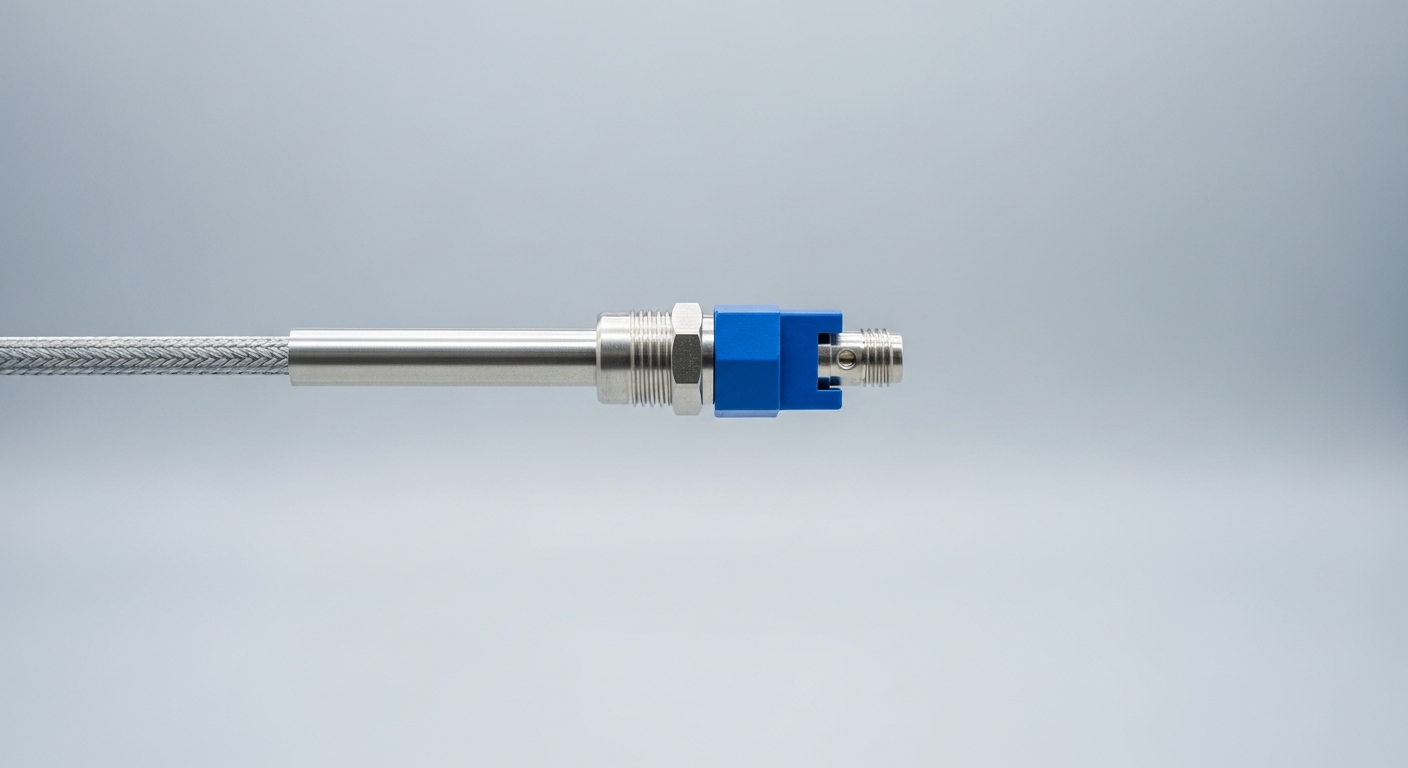
Choosing the right sensor technology is crucial for accuracy and longevity in your specific application. The two most common types used in intrinsically safe temperature probes are Resistance Temperature Detectors (RTDs) and Thermocouples. Each has distinct advantages.
- Resistance Temperature Detectors (RTDs): These sensors, typically made from platinum (Pt100 or Pt1000), offer high accuracy and excellent stability over long periods. Their resistance changes in a highly predictable and linear fashion with temperature, making them ideal for precision process control.
- Thermocouples (TCs): Comprised of two dissimilar metal wires joined at one end, thermocouples generate a small voltage proportional to the temperature. They are known for their robustness, wide temperature range, and faster response time compared to RTDs.
- Sheath Material: The protective outer tube, often made of 316 Stainless Steel or Inconel, shields the sensor from corrosion, pressure, and physical damage. The material must be compatible with the process media.
- Connection Head: The terminal housing protects the electrical connections from the environment. For hazardous areas, these are often explosion-proof or designed to maintain the integrity of the IS circuit.
Criteria for Selecting the Right Probe
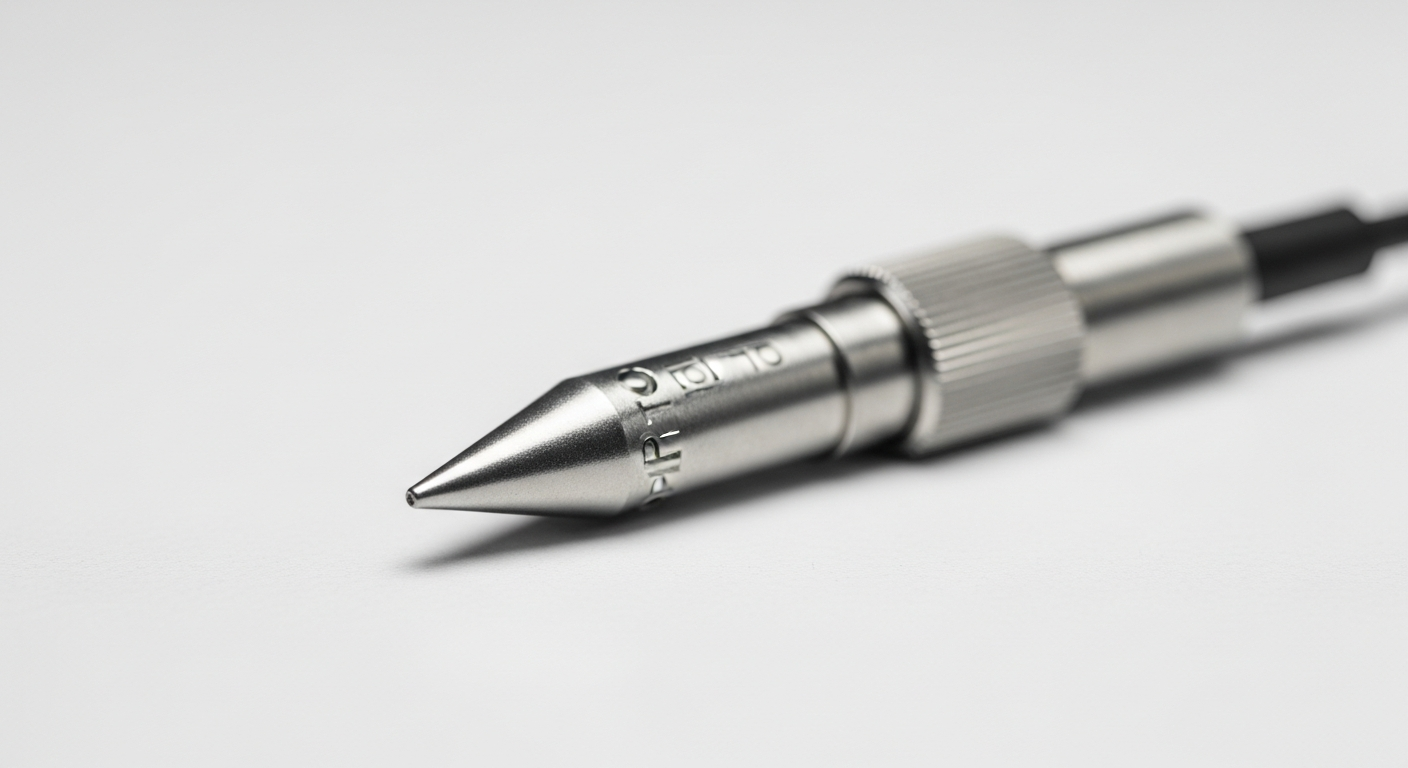
Beyond the sensor type, several factors must be considered to ensure the probe is suitable for the hazardous environment and the specific measurement task. A systematic approach helps prevent costly errors and improves safety. Follow this checklist when specifying an IS temperature probe.
- Hazardous Area Classification: Identify the correct Class/Division (NEC) or Zone (ATEX/IECEx) for the installation area. The probe’s certification must match or exceed the area’s requirements.
- Temperature Range: Define the minimum and maximum process temperatures the probe will encounter. Select a sensor type (RTD or Thermocouple) that operates reliably within this range.
- Accuracy Requirements: Determine the level of precision needed for your process. RTDs generally offer higher accuracy, while thermocouples are suitable for less critical monitoring.
- Chemical Compatibility: Ensure the probe’s sheath and housing materials are resistant to corrosion from the chemicals present in the process environment.
- Installation and Mounting: Consider the physical constraints of the installation. Factors include immersion length, connection type (e.g., NPT thread), and the need for a thermowell for protection and easy replacement.
Recommended Products for Temperature Measurement
The following products from our catalog are certified for use in hazardous areas and directly relevant to this guide:
| Product Category | Rating / Certification | Link |
|---|---|---|
| Intrinsically Safe Temperature Probes | ATEX / IECEx / Class I, II, III | Shop Now |
| Measurement & Calibration Equipment | Certified for Hazardous Locations | Shop Now |
Shop Certified Intrinsically Safe Temperature Probes
Ensure compliance and operational safety with our range of certified temperature probes, designed for the most demanding hazardous locations.
Frequently Asked Questions
What makes a temperature probe ‘intrinsically safe’?
A temperature probe is intrinsically safe if its electrical and thermal energy are limited to a level that cannot ignite a hazardous atmosphere, even during a fault. This is achieved through specific design constraints on voltage, current, and stored energy, verified by a certification body.
What is the difference between an RTD and a thermocouple IS probe?
An RTD (Resistance Temperature Detector) measures temperature based on changes in electrical resistance and is known for high accuracy and stability. A thermocouple measures temperature using the voltage generated by two dissimilar metals and offers a wider temperature range and faster response.
Can I use any temperature probe in a hazardous area?
No, you must only use a temperature probe that is specifically certified for the hazardous area classification (e.g., Class/Division or Zone) where it will be installed. Using a non-certified probe creates a severe ignition risk and violates safety regulations.
What certifications should I look for in an IS temperature probe?
Common certifications include ATEX for Europe, IECEx for international use, and listings from UL or CSA for North America. The certification must specify the protection method (e.g., ‘ia’ or ‘ib’) and be appropriate for the gas or dust group and temperature class of the environment.
How often do intrinsically safe temperature probes need to be calibrated?
Calibration frequency depends on the application’s criticality, industry standards, and the manufacturer’s recommendations. For high-precision processes, annual or even semi-annual calibration is common to ensure continued accuracy and process safety.
Choosing the correct intrinsically safe temperature probe is a fundamental part of your facility’s safety system. By carefully evaluating the hazardous area classification, required temperature range, and sensor technology, you can ensure accurate and reliable process monitoring. Always prioritize probes with the proper certifications from recognized bodies to guarantee compliance and mitigate ignition risks. Sourcing the right certified equipment is essential for protecting both personnel and assets.